

Author: mediamanager

  • Commercial Real Estate Calgary 2026: Investment Opportunities

    Commercial Real Estate Calgary 2026: Investment Opportunities

    Commercial Real Estate Calgary 2026: Investment Opportunities

    Calgary’s commercial real estate market is entering one of its strongest cycles in years. Population growth, a diversifying economy, and rising demand for space across every asset class are creating real opportunities for investors who know where to look.

    Whether you’re a first-time commercial buyer or a seasoned portfolio holder, Calgary offers something most Canadian cities can’t match right now: strong fundamentals with room to grow. Rents are climbing, vacancy rates are tightening, and the city’s economic engine is firing on multiple cylinders.

    This guide breaks down the four major commercial asset classes in Calgary, where the best opportunities are in 2026, and what you need to know before writing your first offer.

    For informational purposes only. Always consult with a licensed real estate professional and qualified financial advisor before proceeding with any real estate transaction.

    Why Calgary’s Commercial Market Is Gaining Momentum

    Calgary added over 60,000 new residents in the past two years, making it one of the fastest-growing cities in Canada. That population surge doesn’t just drive housing demand — it fuels every type of commercial real estate.

    New residents need grocery stores, medical offices, restaurants, warehouses, and daycare centres. Every new household generates demand for services, and every new business needs a place to operate. This is the fundamental engine behind Calgary’s commercial real estate growth.

    According to the Calgary Real Estate Board (CREB), commercial transaction volumes have increased steadily quarter over quarter. The city’s economic diversification beyond oil and gas — into tech, logistics, healthcare, and professional services — is creating a broader, more resilient tenant base than Calgary has ever had.

    For investors, this means lower risk. A market powered by multiple industries is far less vulnerable to sector-specific downturns than one dependent on a single commodity.

    Office Space: The Downtown Reset

    Calgary’s office market is going through a significant transformation. Downtown Class A towers are seeing renewed interest from energy, tech, and professional services firms expanding their footprints.

    The flight to quality is real. Tenants are upgrading to newer, amenity-rich buildings and leaving older Class B and C stock behind. This creates two distinct opportunities:

    For investors with capital: Distressed or underperforming older office buildings in the Beltline and East Village can be acquired at a discount and repositioned. Renovations that add modern amenities, flexible floor plates, and strong ESG credentials can attract quality tenants at premium rents.

    For owner-users: Buying a small office condo or leasing a turnkey space in a newer building makes sense for businesses that want to lock in occupancy costs and build equity. Calgary’s office condo market offers options from the Beltline to the suburbs.

    The key metric to watch: downtown absorption rates. When net absorption turns positive — and it has been trending that direction — landlords gain pricing power. That’s when rental rates start climbing.

    Retail: Neighbourhood Centres Are Winning

    Calgary’s retail landscape has shifted permanently. The big-box power centres and enclosed malls that dominated the 2000s are no longer the only game in town. Neighbourhood-oriented retail — grocery-anchored strip centres, mixed-use street-front retail, and service-based placements — is where the action is.

    These smaller retail centres benefit from the same population growth driving residential construction. Every new suburban community in Calgary’s deep south (Seton, Mahogany, Belmont) and northwest (Symons Ridge, Stoney Trail corridor) needs retail within a 10-minute drive.

    Investors should focus on:

    • Grocery-anchored centres with strong national tenants (Shoppers Drug Mart, Dollarama, Tim Hortons)
    • Service-based retail (medical, dental, veterinary, fitness) that can’t be displaced by e-commerce
    • Street-front retail in high-density transit-friendly locations

    Retail spaces for lease in Calgary’s northeast and southeast corridors offer some of the best value-per-square-foot in the city. If you’re a business owner looking to lease, now is the time to negotiate before the next wave of tenants arrives.

    Industrial: Calgary’s Strongest Asset Class

    If there’s one commercial asset class that’s been the clear winner in Calgary over the past three years, it’s industrial. Warehousing, distribution centres, logistics hubs, and flex industrial space are all in high demand.

    Calgary’s strategic location on the CANAMEX Corridor — connecting Canada to Mexico via the western United States — makes it a natural distribution hub. E-commerce growth has accelerated the need for last-mile delivery facilities, and Calgary’s relatively affordable land costs make it attractive compared to Vancouver or Toronto.

    Key industrial submarkets to watch in 2026:

    • Airdrie and Balzac: The industrial corridor north of Calgary, near the airport, is booming. Major logistics tenants are snapping up space.
    • Southeast Calgary: The Glenmore Trail and Ogden areas offer established industrial parks with strong tenant demand.
    • Drumheller Highway corridor: Emerging area for larger-scale distribution facilities.

    According to BDC (Business Development Bank of Canada), industrial real estate remains one of the most accessible entry points for first-time commercial investors because of strong tenant demand and relatively straightforward property management.

    Cap rates for well-leased industrial properties in Calgary have compressed to the 5.5–6.5% range, reflecting strong investor confidence. If you’re looking for stable cash flow with low vacancy risk, industrial is the asset class to watch.

    Multi-Family: The Residential-Commercial Hybrid

    Multi-family properties — apartment buildings, townhouse complexes, and purpose-built rentals — sit at the intersection of residential and commercial real estate. In Calgary, this sector is benefiting from the same population growth story.

    Rental demand in Calgary is at record levels. With homeownership becoming more expensive due to higher mortgage rates, more households are renting for longer. This drives up occupancy rates and allows landlords to push rents.

    For investors, a 10- to 20-unit apartment building in a stable Calgary neighbourhood can deliver strong cash-on-cash returns. The key is location: properties near transit lines, employment centres, and amenities command premium rents and experience lower turnover.

    The City of Calgary’s development and planning portal shows significant rezoning activity along transit corridors, which signals where future density — and rental demand — will concentrate. Investors who buy near future LRT stations or Bus Rapid Transit routes are positioning themselves for long-term appreciation.

    Financing Commercial Real Estate in Calgary

    Commercial financing works differently from residential mortgages. Loan-to-value ratios are typically lower (65–75%), amortization periods are shorter, and lenders scrutinize the property’s income — not just your personal finances.

    Here are the primary financing options for Calgary commercial properties in 2026:

    • Conventional bank loans: Available through major banks and credit unions. Best for stabilized properties with strong tenant covenants.
    • BDC financing: Offers higher LTV ratios and more flexible terms for owner-occupied commercial purchases.
    • CMHC commercial financing: For multi-family properties, CMHC-insured loans offer some of the best rates and longest amortizations available.
    • Private lenders: Useful for value-add opportunities or properties that don’t qualify for traditional bank financing.

    A commercial mortgage broker who knows the Calgary market can save you significant money by matching you with the right lender for your specific property type and deal structure.

    Key Due Diligence Steps Before You Buy

    Every commercial investment should go through a rigorous due diligence process. Here’s a checklist to guide your evaluation:

    • Financial analysis: Review 2–3 years of operating statements, rent rolls, and T12 financials. Verify all income and expenses.
    • Lease review: Examine every existing lease. Look for renewal options, tenant improvement allowances, and co-tenancy clauses.
    • Environmental assessment: Phase I ESA is standard. Phase II may be required depending on the property’s history.
    • Property condition assessment: Hire a commercial building inspector to evaluate the roof, HVAC, plumbing, electrical, and structural systems.
    • Zoning verification: Confirm the property’s zoning with the City of Calgary aligns with your intended use.
    • Market rent analysis: Compare the property’s current rents to market rates. Below-market rents can mean upside — or problem tenants.
    • Title search: Verify ownership, encumbrances, and any registered easements or restrictions.

    Skipping due diligence is the most expensive mistake a commercial investor can make. Budget $5,000–$15,000 for professional inspections and reports — it’s a fraction of what a missed issue could cost you.

    Frequently Asked Questions

    What is the best type of commercial real estate to invest in Calgary in 2026?

    Industrial properties currently offer the strongest combination of tenant demand, low vacancy, and stable cash flow. Multi-family is a close second due to Calgary’s population growth and tight rental market. Retail and office offer more upside but come with higher risk.

    How much down payment do I need for a commercial property in Calgary?

    Most commercial lenders require 25–35% of the purchase price as a down payment. For a $1,000,000 property, expect to put down at least $250,000–$350,000, plus closing costs and due diligence expenses.

    Can a first-time investor buy commercial real estate in Calgary?

    Yes. Many investors start with a small retail plaza, a multi-family duplex/triplex, or an industrial condo unit. Working with a commercial real estate specialist who understands the Calgary market is essential for first-time buyers.

    What are typical cap rates for commercial properties in Calgary?

    Cap rates vary by asset class and location. Industrial properties typically trade at 5.5–6.5%, multi-family at 4.5–6%, retail at 5.5–7%, and office at 6.5–8%. Higher cap rates generally indicate higher risk or lower-quality assets.

    How do I find commercial properties for sale in Calgary?

    You can browse businesses for sale in Calgary and commercial listings on patelsanket.ca, or work directly with a commercial REALTOR® who has access to off-market opportunities and MLS® commercial listings.

    Facebook ·
    Instagram ·
    TikTok ·
    YouTube ·
    REALTOR.ca ·
    Google

    Have questions about Calgary real estate? Get in touch with Sanket Patelcall or text anytime.

    [email protected] · 820 26 St NE, Calgary, AB T2A 2M4

    Looking for the Best Real Estate Agent in Calgary?

    Sanket Patel is a top-rated Calgary realtor serving Calgary and surrounding areas. Whether you’re buying, selling, or investing in commercial property, get local expertise that delivers results.

    Call today: 403-918-7080 | Free Consultation

  • Calgary Commercial Real Estate Investment: Calgary commercial real estate investment opportunities

    Calgary Commercial Real Estate Investment: Calgary commercial real estate investment opportunities

    Meta Description: Discover expert insights on Calgary commercial real estate investment opportunities in Calgary’s real estate market. Learn from a licensed local realtor about opportunities, trends, and strategies for success.

    Calgary Commercial Real Estate Investment: Calgary commercial real estate investment opportunities

    Introduction:
    Calgary’s real estate market continues to evolve, presenting both challenges and opportunities for investors and homeowners alike. As a licensed commercial and residential realtor serving the Calgary area, I’ve seen firsthand how Calgary commercial real estate investment opportunities can impact investment portfolios and lifestyle choices. In this comprehensive guide, we’ll explore the current landscape, key considerations, and practical strategies to help you make informed decisions.

    Body Section 1: Market Overview and Current Trends
    The Calgary real estate market has shown remarkable resilience in recent years, with Calgary commercial real estate investment opportunities representing a significant segment of overall activity. Current data from the Calgary Real Estate Board (CREB) indicates steady growth in this sector, driven by factors such as population growth, economic diversification, and relatively affordable pricing compared to other major Canadian cities.

    For those interested in Calgary commercial real estate investment opportunities, understanding the local market dynamics is essential. Calgary’s unique position as an energy hub with a growing technology sector creates diverse opportunities across different property types and investment strategies. The city’s stable political environment, strong entrepreneurial spirit, and high quality of life continue to attract both domestic and international interest.

    Body Section 2: Key Considerations and Due Diligence
    When exploring Calgary commercial real estate investment opportunities, several critical factors warrant careful consideration. Location remains paramount, with proximity to amenities, transportation infrastructure, and employment centers significantly influencing property values and investment potential. Additionally, understanding zoning regulations, development plans, and community growth patterns can help identify areas with strong appreciation prospects.

    Financial analysis forms another crucial component of the decision-making process. This includes evaluating not just purchase prices but also ongoing costs such as property taxes, maintenance expenses, and potential renovation requirements. For investment properties, careful consideration of cash flow projections, cap rates, and financing options is essential for long-term success.

    Body Section 3: Strategies for Success
    Approaching Calgary commercial real estate investment opportunities with a well-defined strategy significantly increases the likelihood of achieving your objectives. Whether you’re seeking a primary residence, investment property, or business location, clearly defining your goals, budget, and timeline provides a solid foundation for your search.

    Working with knowledgeable local professionals who understand the nuances of Calgary’s market can provide invaluable guidance throughout the process. From identifying suitable properties to negotiating favorable terms and navigating the closing process, expert assistance helps streamline what can often be a complex and time-consuming journey.

    Body Section 4: Future Outlook and Opportunities
    Looking ahead, several trends suggest continued interest in Calgary commercial real estate investment opportunities within Calgary’s market. Ongoing infrastructure investments, including public transit expansions and road improvements, enhance accessibility and desirability across various neighborhoods. Additionally, the city’s commitment to sustainable development and smart growth initiatives creates opportunities for eco-conscious buyers and investors.

    The evolving nature of work, with increased flexibility in remote and hybrid arrangements, continues to influence housing preferences and commercial space requirements. This shift has led to renewed interest in properties that offer dedicated workspace capabilities, flexible layouts, and locations that balance accessibility with quality of life considerations.

    Internal Links:
    For those ready to explore available options, I invite you to browse our current listings:
    – Commercial properties: https://www.patelsanket.ca/business-for-sale-calgary/
    – Residential homes: https://www.patelsanket.ca/homes-for-sale-in-calgary/
    – Learn more about my approach: https://www.patelsanket.ca/commercial-real-estate-calgary/

    External Links:
    For additional market insights and authoritative information, consider these resources:
    – Calgary Real Estate Board market statistics: https://www.creb.com/
    – Alberta Government business resources: https://www.alberta.ca/
    – Canada Mortgage and Housing Corporation guidelines: https://www.cmhc-schl.gc.ca/

    Call to Action:
    If you’re considering Calgary commercial real estate investment opportunities in Calgary and would like personalized guidance tailored to your specific situation, I’m here to help. With extensive experience in both commercial and residential real estate transactions throughout the Calgary area, I provide comprehensive support from initial consultation through to closing. Contact me today for a free, no-obligation consultation to discuss your goals and explore how we can work together to achieve your real estate objectives.

    Focus Keyword: Calgary commercial real estate investment opportunities

    Looking for the Best Real Estate Agent in Calgary?

    Sanket Patel is a top-rated Calgary realtor serving Calgary and surrounding areas. Whether you’re buying, selling, or investing in commercial property, get local expertise that delivers results.

    Call today: 403-918-7080 | Free Consultation

  • Should You Buy or Rent in Calgary 2026? Complete Analysis

    Should You Buy or Rent in Calgary 2026? Complete Analysis

    Should You Buy or Rent in Calgary 2026? Complete Analysis

    Calgary’s real estate market has changed dramatically in the last two years. Average home prices have climbed. Rents have surged. Interest rates remain elevated. If you’re sitting on the fence between buying and renting, the decision feels harder than ever.

    Here’s the truth: there’s no universal answer. The right choice depends on your finances, your timeline, and your life goals. But with the right data, you can make a confident decision.

    In this guide, we’ll break down the actual costs of buying versus renting in Calgary in 2026, using real market numbers. We’ll look at the financial math, the lifestyle factors, and the scenarios where each option wins.

    The Current Calgary Market: What the Numbers Say

    Calgary’s housing market in 2026 looks very different from just three years ago. According to the Calgary Real Estate Board (CREB), the benchmark home price in Calgary has seen steady year-over-year growth, driven by interprovincial migration and limited inventory.

    Average rent for a two-bedroom apartment in Calgary now exceeds $1,600 per month in many neighbourhoods, according to the Canada Mortgage and Housing Corporation (CMHC). That’s up significantly from just two years ago. Meanwhile, the average resale home price in Calgary sits in the mid-$500,000 range.

    What does this mean for the buy vs. rent calculation? It means the gap is narrowing. In previous years, renting was clearly cheaper in most scenarios. In 2026, the math is much closer — and in some cases, buying actually comes out ahead on a monthly basis.

    The key variables are your down payment amount, your mortgage rate, and how long you plan to stay in the home. We’ll break all of this down below.

    The True Cost of Renting in Calgary

    Renting seems simple: you pay monthly rent, and someone else handles the repairs. But the true cost of renting goes beyond the cheque you write each month.

    Monthly rent is just the starting point. You’ll also need tenant insurance (typically $20–$40/month), and you’ll miss out on any appreciation in the property’s value. Over five years of renting at $1,800/month, you’ll spend $108,000 — and have zero equity to show for it.

    Renters also face the risk of rent increases. In Alberta, there is no rent control, which means landlords can raise rent with proper notice. If you’re in a hot Calgary neighbourhood, your rent could jump 10–15% year over year.

    Renting does offer flexibility. If you need to relocate for work, you can give notice and move. You’re not responsible for a broken furnace or a leaking roof. For people who value mobility and predictability, renting still makes sense.

    But here’s what many renters don’t consider: every dollar of rent is a dollar that’s not working for you. Over a 10-year period, the average Calgary renter spends over $200,000 on housing — money that builds no wealth.

    The True Cost of Buying in Calgary

    Buying a home is the largest financial decision most people ever make. The costs go far beyond the mortgage payment.

    Here’s what you need to budget for:

    • Down payment: Minimum 5% on homes under $500,000 (CMHC rules)
    • Mortgage payments: Principal + interest based on your rate and amortization
    • Property taxes: Calgary’s average is approximately $3,000–$4,500/year
    • Home insurance: $100–$200/month depending on coverage
    • Maintenance: Budget 1% of home value per year (~$5,000+ for a $500K home)
    • Utilities: Typically $250–$400/month for a single-family home
    • Closing costs: Legal fees, land transfer tax (Alberta has no provincial land transfer tax), home inspection

    Let’s run the numbers on a $525,000 Calgary home with a 10% down payment ($52,500) at a 4.5% fixed mortgage rate over 25 years:

    • Mortgage payment: ~$2,470/month
    • Property taxes: ~$300/month
    • Home insurance: ~$130/month
    • Maintenance reserve: ~$440/month
    • Utilities: ~$325/month
    • Total monthly cost: ~$3,665/month

    That’s significantly more than renting a comparable property. But here’s the critical difference: of that $2,470 mortgage payment, a portion goes toward paying down your principal. After five years, you’d have roughly $60,000–$70,000 in equity from principal payments alone — plus any appreciation.

    The Rent vs. Buy Calculator: When Does Buying Win?

    The break-even point — where buying becomes cheaper than renting — depends on several factors. According to Statistics Canada, Calgary’s population growth has been among the highest in the country, which supports both rent increases and home price appreciation.

    Buying wins when:

    • You plan to stay in the home for 5+ years
    • You have a stable income and emergency fund
    • You can afford the down payment without draining savings
    • You want to build long-term wealth through equity
    • You value stability and the freedom to customize your space

    Renting wins when:

    • You plan to move within 2–3 years
    • You don’t have enough saved for a down payment
    • Your income is variable or uncertain
    • You want to invest the difference elsewhere
    • You value flexibility and minimal responsibility

    A useful rule of thumb: if the “price-to-rent ratio” in your target neighbourhood is below 15, buying tends to be favourable. Above 20, renting often makes more sense. In most Calgary communities, the ratio currently sits between 15 and 20 — right in the grey zone.

    This is why personal factors matter as much as the math. Two people with identical finances might reach different conclusions based on their lifestyle preferences and risk tolerance.

    Hidden Benefits of Buying a Home in Calgary

    Beyond equity and appreciation, homeownership comes with financial benefits that don’t show up in a simple rent-vs-buy calculator.

    Principal paydown is forced savings. Every mortgage payment reduces your loan balance. After 25 years, you own the asset outright. That’s a guaranteed retirement asset.

    Tax advantages. In Canada, your principal residence is exempt from capital gains tax. If your $525,000 home appreciates to $750,000 over 15 years, that $225,000 gain is completely tax-free. No other investment offers this.

    Stability for families. If you have children, owning a home means no surprise moves, no landlord decisions disrupting your life, and the ability to build roots in a community. Many of Calgary’s top-rated school districts are in neighbourhoods where buying makes financial sense.

    Leverage. When you buy a home with 10% down, you control a $525,000 asset. If it appreciates 3% in a year, that’s $15,750 in gains on a $52,500 investment — a 30% return on your initial capital. No stock market investment offers that kind of leverage.

    Hidden Benefits of Renting in Calgary

    Renting isn’t just “throwing money away.” There are genuine financial and lifestyle advantages.

    Lower upfront costs. Renting requires first and last month’s rent — maybe $3,600 total. Buying requires a down payment of $25,000–$50,000 plus closing costs. That capital could be invested elsewhere while you rent.

    No maintenance surprises. When the furnace breaks or the roof leaks, the landlord pays. Homeowners in Calgary can spend $5,000–$15,000 on unexpected repairs in a single year.

    Investment flexibility. If you rent and invest the difference between rent and a full homeownership cost, you could potentially earn higher returns in a diversified portfolio — especially in a strong market.

    Mobility. Calgary’s job market is heavily influenced by the energy sector. If your career requires flexibility to relocate or travel, renting keeps your options open without the hassle of selling a home.

    The Calgary-Specific Factors You Can’t Ignore

    Calgary’s market has unique characteristics that affect the buy vs. rent decision.

    No provincial sales tax. Alberta is the only province with no PST, which reduces your overall cost of living and makes homeownership more affordable compared to Vancouver or Toronto.

    No provincial land transfer tax. Unlike BC or Ontario, Alberta doesn’t charge a provincial land transfer tax on home purchases. This saves Calgary buyers thousands of dollars at closing.

    Energy sector volatility. Calgary’s economy is tied to oil and gas. When energy prices are high, the market booms. When they drop, job losses can follow. If your income is energy-dependent, factor this volatility into your decision.

    Population growth. Calgary is one of the fastest-growing cities in Canada, according to Statistics Canada. This sustained demand supports both home prices and rents over the long term.

    New construction. Calgary has significant new home construction in communities like Seton, Mahogany, and Belmont. More supply can moderate price growth, which benefits buyers who wait — but also means today’s prices may look like a bargain in five years.

    How to Decide: A Step-by-Step Checklist

    Use this checklist to determine whether buying or renting is right for you in 2026:

    You’re ready to buy if:

    • You have at least 5–10% saved for a down payment
    • You have an additional 2–3% for closing costs
    • You have 3–6 months of expenses in an emergency fund
    • Your total housing costs (mortgage + taxes + insurance + maintenance) are under 35% of your gross income
    • You plan to stay in Calgary for at least 5 years
    • Your employment is stable and income is predictable
    • You’ve been pre-approved for a mortgage and understand your rate

    You should keep renting if:

    • You don’t have enough saved for a down payment
    • Your housing costs would exceed 40% of your gross income
    • You may need to relocate within 2–3 years
    • Your income is commission-based or highly variable
    • You have high-interest debt that should be paid off first
    • You’re not emotionally ready for the responsibility of homeownership

    If you checked most of the “ready to buy” boxes, it’s time to start house hunting. If most of the “keep renting” boxes apply, there’s no shame in waiting. The best financial decision is the one you can sustain.

    Frequently Asked Questions

    Is it cheaper to rent or buy a house in Calgary right now?

    It depends on the property and your financial situation. For condos and townhouses under $400,000, buying can be comparable to renting on a monthly basis. For single-family homes above $500,000, renting is often cheaper month-to-month — but buying builds equity over time. The break-even point in Calgary is typically 4–6 years.

    How much do I need to earn to buy a home in Calgary in 2026?

    For a $500,000 home with 10% down, you’d need a household income of approximately $100,000–$115,000 to keep your total debt service ratio under the standard 39% threshold used by Canadian lenders. This can vary based on your other debts and the mortgage rate you qualify for.

    What are the closing costs for buying a home in Calgary?

    Alberta has no provincial land transfer tax, which saves buyers thousands. Typical closing costs include legal fees ($1,000–$2,000), home inspection ($400–$600), appraisal ($300–$500), and moving expenses. Budget approximately 2–3% of the purchase price for total closing costs.

    Can I afford to buy a home if I’m single?

    Yes, many single buyers purchase homes in Calgary. The key is ensuring your housing costs stay under 35% of your gross income. Condos and townhouses in the $250,000–$350,000 range can be very affordable for single income earners, with monthly costs similar to renting.

    What happens to the buy vs. rent calculation if interest rates drop?

    If mortgage rates drop, buying becomes more favourable because your monthly mortgage payment decreases. A 1% drop in rates on a $470,000 mortgage saves roughly $270/month. If you’re on the fence, a rate drop could tip the scales toward buying.

    How do Calgary property taxes compare to other cities?

    Calgary’s property tax rate is competitive compared to other major Canadian cities. The municipal mill rate is set annually by City Council. For a home assessed at $500,000, expect to pay approximately $3,000–$4,500 per year in property taxes.

    The Bottom Line

    The buy vs. rent decision in Calgary isn’t just about math — it’s about your life. If you value stability, want to build wealth, and plan to stay in Calgary for the medium to long term, buying is likely the right move. If you need flexibility, aren’t ready for the financial commitment, or prefer to invest your capital differently, renting is a perfectly smart choice.

    Either way, make the decision with your eyes open. Understand the real costs on both sides. And remember: the “right” answer is the one that aligns with your financial reality and your life goals.

    For informational purposes only. Always consult with a licensed real estate professional before proceeding with any real estate transaction.

    Looking for the Best Real Estate Agent in Calgary?

    Sanket Patel is a top-rated Calgary realtor serving Calgary and surrounding areas. Whether you’re buying, selling, or investing in commercial property, get local expertise that delivers results.

    Call today: 403-918-7080 | Free Consultation

  • Top 10 Family-Friendly Communities in Cochrane 2026

    Top 10 Family-Friendly Communities in Cochrane 2026

    Top 10 Family-Friendly Communities in Cochrane 2026

    Cochrane has quietly become one of Alberta’s most sought-after towns for families. Nestled against the foothills of the Rocky Mountains, just 20 minutes northwest of Calgary, this growing community of over 32,000 residents offers something rare: small-town charm with big-city access.

    If you’re considering a move to Cochrane in 2026, choosing the right neighbourhood matters. Each community has its own personality, price point, and perks. This guide breaks down the top 10 family-friendly communities in Cochrane so you can find the perfect fit for your household.

    What Makes Cochrane Ideal for Families

    Cochrane consistently ranks among the best places to raise kids in Alberta. The town boasts low crime rates, excellent schools, and an abundance of outdoor recreation. According to the City of Calgary’s regional planning data, the Cochrane area is one of the fastest-growing corridors in the Calgary Metropolitan Region.

    The commute to downtown Calgary takes roughly 25 minutes via the Trans-Canada Highway, making it realistic for parents who work in the city. Meanwhile, Cochrane’s own downtown core has exploded with new restaurants, shops, and services — meaning you don’t always have to leave town for what you need.

    Home prices in Cochrane remain more affordable than many Calgary neighbourhoods. The average detached home sits in the $550,000–$650,000 range, though specific communities vary widely. For families priced out of Calgary’s competitive market, Cochrane delivers more house for the money.

    1. Bow Meadows — Best Overall for Families

    Bow Meadows tops the list for good reason. This established west-end community sits along the Bow River and offers direct access to walking trails, parks, and the river itself. Families here enjoy a mix of older character homes and newer builds.

    The neighbourhood is walking distance to Elizabeth Barrows School (K–4) and Cochrane High School. Lot sizes tend to be generous, and the tree-lined streets give Bow Meadows a mature, settled feel that newer communities can’t replicate yet.

    Key stats:

    • Average home price: $620,000–$720,000
    • Walk Score: 45 (car-dependent but bikeable)
    • Parks within 1 km: 3

    2. Fireside — Best for New Construction

    Fireside is Cochrane’s premier master-planned community, developed by Brookfield Residential. Launched in 2015, it’s now well-established with hundreds of homes, a central park, and a planned commercial area.

    Every home in Fireside is detached, and the architectural guidelines keep the neighbourhood looking cohesive. The community design prioritizes families — wide sidewalks, multiple playgrounds, and a network of pathways connect every street.

    Fireside feeds into the highly rated Fireside School (K–8), which means kids can walk or bike to class. For families who want a modern home without the cookie-cutter feel of some suburban developments, Fireside delivers.

    Key stats:

    • Average home price: $580,000–$680,000
    • Walk Score: 52
    • Amenities: Community park, playgrounds, future commercial plaza

    3. Heartland — Best Value for Growing Families

    Heartland sits on Cochrane’s east side and offers some of the best value per square foot in town. This newer community features a mix of single-family homes and townhouses, making it accessible for families at different budget levels.

    The neighbourhood is close to the Cochrane Ranche Historic Site and has easy highway access for commuting parents. Heartland’s central park includes a spray park that becomes the neighbourhood hub every summer.

    Families moving from Calgary will notice the price difference immediately. Comparable homes in communities like Auburn Bay or Mahogany cost $100,000–$150,000 more.

    Key stats:

    • Average home price: $520,000–$620,000
    • Walk Score: 38
    • Nearby: Cochrane Ranche, Highway 1A on-ramp

    4. Riverview — Best for Outdoor Enthusiasts

    If your family lives for weekends on the trails, Riverview deserves a serious look. This south-end community backs onto the Bow River valley and offers residents private pathway access to kilometres of natural trails.

    Riverview homes tend to be larger, with many properties featuring walkout basements that take advantage of the sloped terrain. The views of the Rockies from upper floors are genuinely stunning.

    The neighbourhood is quiet and established, with mature landscaping that gives it a park-like atmosphere. Schools are a short drive away, and the community’s proximity to the Spray Lakes Sportsplex means hockey families are well-served.

    Key stats:

    • Average home price: $650,000–$780,000
    • Walk Score: 35
    • Outdoor access: Bow River pathways, nearby golf courses

    5. Glendale — Best for First-Time Buyers

    Glendale is one of Cochrane’s most affordable established neighbourhoods, making it a smart entry point for first-time homebuyers. The community features a mix of bungalows and two-stories, many with larger lots than you’d find in newer developments.

    The neighbourhood is centrally located — close to downtown Cochrane, the public library, and Mitford School. Families appreciate the walkability to local shops and the strong sense of community among long-time residents.

    Homes in Glendale may need some updates, but that’s actually an advantage for handy families who want to build equity through renovations rather than paying a premium for a move-in-ready home elsewhere.

    Key stats:

    • Average home price: $480,000–$580,000
    • Walk Score: 55
    • Schools nearby: Mitford School, Cochrane High School

    6. Southbow Landing — Best for Young Families

    Southbow Landing is a newer community on Cochrane’s south side that’s been designed specifically with young families in mind. The neighbourhood features modern homes with open floor plans, and the community layout minimizes through-traffic for safer streets.

    A large central park anchors the community, complete with a playground, basketball courts, and open green space. The community feeds into the newer schools on Cochrane’s south side, which means smaller class sizes and modern facilities.

    Southbow Landing is also close to the planned South Cochrane recreation facility, which will add a pool and fitness centre when completed.

    Key stats:

    • Average home price: $540,000–$640,000
    • Walk Score: 42
    • Community features: Central park, low-traffic street design

    7. Cochrane Heights — Best Views

    Cochrane Heights sits on elevated ground on the town’s west side, and the views are the main selling point. Homes here look out over the town, the Bow River valley, and the Rocky Mountains beyond.

    The community is established and quiet, with larger lots and a mix of architectural styles. It’s popular with families who want space and privacy without being isolated. The neighbourhood is a short drive from both downtown Cochrane and the highway.

    Families with older children will appreciate that Cochrane Heights is close to several schools and the town’s recreation facilities.

    Key stats:

    • Average home price: $600,000–$720,000
    • Walk Score: 30
    • Standout feature: Panoramic mountain and valley views

    8. Heritage Hills — Best for Established Character

    Heritage Hills is one of Cochrane’s older communities, and it shows in the best possible way. Mature trees, larger lots, and well-maintained homes give this neighbourhood a character that new builds simply can’t match.

    The community is centrally located with easy access to schools, shopping, and the highway. Many homes have been updated over the years, so buyers can find properties with modern interiors inside classic exteriors.

    Heritage Hills is ideal for families who want a neighbourhood that feels “finished” — no construction noise, no half-built streets, just a settled community with proud homeowners.

    Key stats:

    • Average home price: $550,000–$660,000
    • Walk Score: 48
    • Character: Mature trees, established landscaping, larger lots

    9. Sunset Ridge — Best for Active Families

    Sunset Ridge is a master-planned community on Cochrane’s northwest edge that’s been built with active families in mind. The neighbourhood features an extensive pathway system, multiple parks, and easy access to the surrounding natural area.

    Homes in Sunset Ridge are modern and energy-efficient, with options ranging from townhouses to large detached homes. The community design encourages outdoor living, with many homes featuring covered decks and south-facing backyards.

    The neighbourhood is close to the Ranchehouse community centre and feeds into Cochrane’s newer school campuses.

    Key stats:

    • Average home price: $530,000–$650,000
    • Walk Score: 40
    • Recreation: Pathway network, multiple parks, nearby Ranchehouse

    10. West Terrace — Best for Commuters

    West Terrace sits on Cochrane’s western edge, closest to the Trans-Canada Highway. For families where one or both parents commute to Calgary daily, this location saves 5–10 minutes each way compared to communities on the east side.

    The neighbourhood is newer, with modern homes and a clean streetscape. It’s a quieter community with a strong neighbourhood feel, and the proximity to Highway 1A means you’re on the highway in under five minutes.

    West Terrace families typically use Cochrane’s south-end schools and appreciate the easy access to both Calgary and the mountain parks to the west.

    Key stats:

    • Average home price: $560,000–$670,000
    • Walk Score: 32
    • Commute advantage: Closest community to Highway 1A westbound

    How to Choose the Right Cochrane Community for Your Family

    Every family has different priorities. Before you start touring homes, sit down and rank what matters most to you.

    Consider these factors:

    • School proximity: If walking to school is important, prioritize Bow Meadows, Fireside, or Glendale
    • Budget: Glendale and Heartland offer the best entry points; Riverview and Cochrane Heights sit at the higher end
    • Lifestyle: Outdoor families should look at Riverview or Sunset Ridge; social families may prefer Fireside or Southbow Landing
    • Commute: West Terrace and Cochrane Heights offer the fastest highway access to Calgary
    • Home style: Want character? Heritage Hills or Glendale. Want new construction? Fireside or Sunset Ridge

    The best next step is to drive through your top two or three communities at different times of day. Visit the local parks, check the school drop-off routes, and get a feel for the neighbourhood rhythm.

    For informational purposes only. Always consult with a licensed real estate professional before proceeding with any real estate transaction. Home price ranges are approximate and based on recent market data. Verify current pricing with your REALTOR®.

    Frequently Asked Questions

    Is Cochrane a good place to raise a family?

    Yes. Cochrane consistently ranks among Alberta’s best small towns for families. The combination of low crime rates, quality schools, abundant outdoor recreation, and a strong community atmosphere makes it an ideal place to raise children. The town also offers a more affordable housing market than Calgary while maintaining a reasonable commute to the city.

    What is the average house price in Cochrane in 2026?

    The average detached home in Cochrane ranges from approximately $520,000 to $720,000 depending on the community, lot size, and home condition. Townhouses and duplexes start in the low $400,000s. These prices are generally $80,000–$150,000 lower than comparable properties in Calgary communities like Auburn Bay, Seton, or Mahogany.

    How far is Cochrane from Calgary?

    Cochrane is approximately 20 kilometres northwest of downtown Calgary, about a 25-minute drive via the Trans-Canada Highway (Highway 1) or Highway 22X. During peak commute times, expect 30–35 minutes. The town is also accessible via Stoney Trail (Highway 201), which can be faster during rush hour.

    What schools are available in Cochrane?

    Cochrane is served by both the Rocky View School Division and the Calgary Catholic School District. The town has multiple elementary schools, a K–8 school (Fireside School), and Cochrane High School. Class sizes tend to be smaller than in Calgary, and the newer south-end schools feature modern facilities. Families can also access schools in nearby Airdrie if needed.

    Should I buy in Cochrane or Airdrie in 2026?

    Both towns offer excellent family-friendly communities, but they serve slightly different lifestyles. Cochrane has a stronger small-town identity, mountain views, and a more established downtown. Airdrie offers more new construction options, slightly lower prices, and closer proximity to Calgary’s north end. If mountain access and community character matter most, Cochrane wins. If budget and commute time are your top priorities, compare both.

    What amenities does Cochrane have for families?

    Cochrane offers a public library, the Spray Lakes Sportsplex (hockey, fitness, events), an outdoor pool, multiple playgrounds and spray parks, the Cochrane Ranche Historic Site, and an expanding downtown with restaurants and shops. The town also has easy access to Kananaskis Country and the Rocky Mountains for weekend adventures. A new recreation facility is planned for the south end of town.

    Facebook ·
    Instagram ·
    TikTok ·
    YouTube ·
    REALTOR.ca ·
    Google

    Have questions about Cochrane real estate? Get in touch with Sanket Patelcall or text anytime.

    [email protected] · 820 26 St NE, Calgary, AB T2A 2M4

    Looking for the Best Real Estate Agent in Cochrane?

    Sanket Patel is a top-rated Calgary realtor serving Cochrane and surrounding areas. Whether you’re buying, selling, or investing in commercial property, get local expertise that delivers results.

    Call today: 403-918-7080 | Free Consultation
  • Calgary Retail Strip Mall Leasing Trends: 2026 Market Analysis

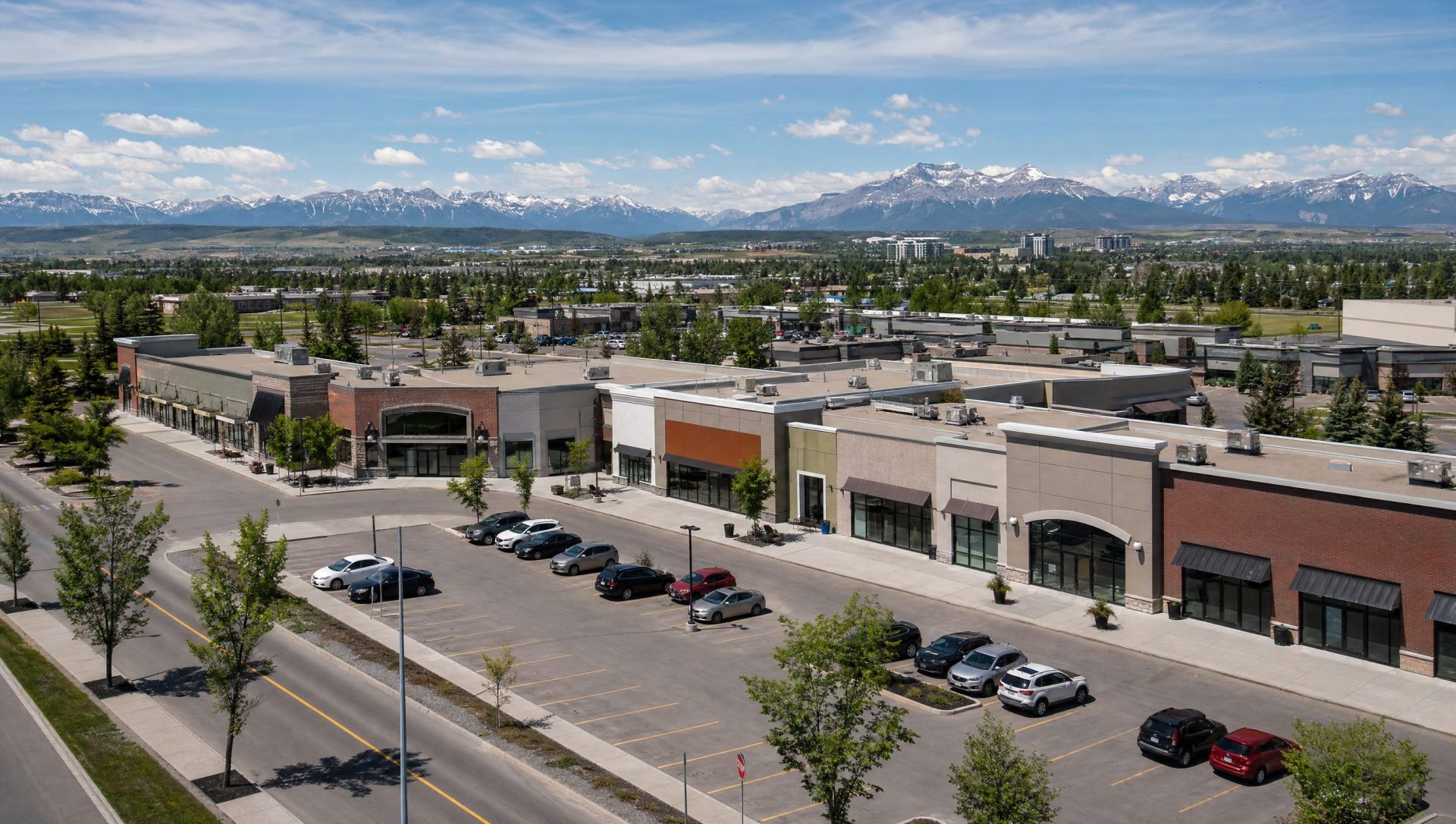
    Calgary Retail Strip Mall Leasing Trends: 2026 Market Analysis

    Calgary’s retail landscape continues to evolve in 2026, presenting both challenges and opportunities for investors, business owners, and commercial real estate professionals. As consumer habits shift, economic conditions fluctuate, and urban development patterns change, understanding the nuances of strip mall leasing has become increasingly crucial for making informed decisions in today’s competitive market.

    Whether you’re considering investing in retail property, looking to lease space for your business, or seeking to optimize your existing commercial real estate portfolio, having a comprehensive grasp of current market trends can provide you with a significant strategic advantage. In this detailed analysis, we’ll explore the latest developments in Calgary’s retail strip mall sector, examining everything from vacancy rates and rental prices to emerging tenant preferences, location factors, investment considerations, and future outlook projections that are shaping the market throughout 2026 and beyond.

    ## Current Vacancy Rates, Rental Trends, and Market Dynamics

    As of Q2 2026, Calgary’s retail strip mall vacancy rate sits at approximately 6.8%, representing a modest improvement from the 7.2% vacancy rate recorded at the end of 2025 and a significant recovery from the pandemic-era peak of 9.1% in Q1 2021. This gradual decline reflects several converging factors: stabilizing consumer confidence following economic uncertainty, renewed interest from both established national chains and ambitious local entrepreneurs, and strategic repositioning efforts by property owners adapting to changing market demands.

    The average base rent for strip mall spaces across Calgary currently ranges from $18 to $28 per square foot annually on a triple-net basis, though this broad spectrum masks important variations based on multiple critical factors. Location remains the primary driver, with properties in established, high-density communities commanding premium rates, while newer developments in growing suburban areas often offer more competitive pricing to attract tenants during their lease-up phases.

    Size and configuration also play substantial roles in determining rental values. Larger units suitable for anchor tenants or businesses requiring significant floor space typically lease at the lower end of the range, while smaller, highly visible end-cap units or spaces with specialized configurations (such as those suitable for restaurants with ventilation requirements) frequently command premium rates. Properties built within the last five years with modern amenities, superior parking configurations, and contemporary designs generally achieve rental rates 10-20% above comparable older properties.

    Notably, strip malls located in established communities like Southeast Calgary (particularly around areas such as Mill Canyon and McKenzie Lake), Northeast Calgary (including communities like Martindale and Saddleridge), and Southwest Calgary (such as Oakridge and Palliser) are experiencing stronger leasing activity and lower vacancy rates compared to some newer developments in the city’s northern and western outskirts. This trend underscores the enduring value of established residential populations, established traffic patterns, and proven community appeal.

    Properties offering excellent visibility from major roadways, ample and well-designed parking facilities, and convenient access points continue to attract the strongest tenant interest. Landlords in competitive locations are increasingly offering tenant improvement allowances (TIAs) ranging from $20 to $40 per square foot, with higher amounts typically provided for longer lease terms (5+ years) or for tenants undertaking significant build-outs that enhance the property’s overall value and appeal.

    ## Evolving Tenant Mix: From Traditional Retail to Experience-Driven Tenants

    The tenant composition within Calgary’s retail strip malls has undergone a meaningful and ongoing transformation over the past 24-30 months, reflecting broader shifts in consumer behavior, technological disruption in retail, and changing preferences for how Canadians spend their time and money. This evolution has created a more resilient and diverse tenant mix that better withstands economic fluctuations while meeting the evolving needs of local communities.

    Food and beverage establishments have emerged as a dominant force in Calgary’s strip malls, now representing approximately 35-38% of total tenanted space, up from approximately 28-30% in late 2023. This growth encompasses a wide spectrum of concepts, from quick-service restaurants and coffee shops to casual dining establishments, specialty food retailers, and emerging concepts like food halls and communal dining spaces. The continued strength of this sector reflects Canadians’ enduring preference for dining out, socializing over meals, and supporting local culinary entrepreneurs—a trend that has proven remarkably resistant to e-commerce disruption.

    Service-based businesses have experienced even more dramatic growth, expanding their collective presence to approximately 28-32% of available strip mall space in Calgary. This category encompasses a diverse array of providers that meet essential community needs: medical and dental clinics, physiotherapy and rehabilitation centers, personal care services (hair salons, spas, barbershops), financial services (including credit unions and insurance agencies), educational tutoring centers, and pet care services including veterinary clinics and grooming establishments. The pandemic highlighted the essential nature of many of these services, accelerating a trend that was already underway.

    Meanwhile, traditional retail occupancy has stabilized in the 30-35% range, with particular resilience observed in categories that either provide unique in-person experiences or offer products where immediate availability or tactile evaluation remains important to consumers. Hardware and home improvement stores, pet supply retailers, specialty food stores (such as butchers, cheese shops, and international grocery stores), and businesses offering repair or maintenance services have shown notable strength. Interestingly, some categories traditionally viewed as vulnerable to online competition—such as bookstores and stationery shops—have demonstrated resilience when they successfully combine retail with community gathering spaces, author events, or specialized programming that creates value beyond the products themselves.

    This evolving tenant mix represents a natural adaptation to changing consumer preferences and has generally improved the overall stability of Calgary’s strip mall properties. Properties with a balanced combination of food/service tenants and experiential retail tend to demonstrate more consistent foot traffic throughout the day and week, reducing reliance on traditional evening and weekend peaks while creating more stable, predictable income streams for property owners.

    ## Critical Location Factors and Accessibility Considerations

    Location continues to be the paramount consideration for both tenants evaluating potential strip mall spaces and investors assessing acquisition opportunities in Calgary’s commercial real estate market. However, what constitutes a “prime location” has evolved alongside changing consumer behaviors, transportation patterns, and urban development priorities, requiring a more nuanced analysis than simple proximity to major roadways.

    Properties situated along Calgary’s major arterial roads continue to attract the strongest interest, but specific threshold metrics have emerged through market analysis. Strip malls located on roads with minimum average daily traffic (ADT) counts of 25,000 vehicles demonstrate significantly stronger performance than those on lower-volume corridors. Particularly strong performers include locations along Memorial Drive (especially between Deerfoot Trail and Stoney Trail), 16th Avenue North (Northmount Drive to Beddington Trail), Macleod Trail South (Southland Drive to 130th Avenue), and Crowchild Trail (particularly the northwest and southwest quadrants). These corridors consistently maintain vacancy rates in the 4-5% range, even during periods of broader market softness.

    However, raw traffic volume alone tells an incomplete story. Accessibility and ease of ingress/egress have emerged as equally critical factors. Properties featuring dedicated right-turn-only access points (eliminating the need for left turns across oncoming traffic), synchronized traffic signals that facilitate smooth entry and exit, and adequate stacking lanes for drive-through businesses consistently outperform those with challenging access patterns, regardless of their total traffic counts. Conversely, properties requiring complex left turns across busy intersections or those with inadequate queuing space for popular drive-through concepts often experience leasing challenges and higher turnover rates.

    Proximity to residential density has also proven to be a crucial success factor. Strip malls situated within 800 meters of residential developments containing at least 1,500 dwelling units demonstrate approximately 25-35% faster lease-up times and 15-20% lower long-term vacancy rates compared to more isolated locations. This relationship holds particularly true in Calgary’s newer communities where walkability and access to neighborhood-serving amenities remain important considerations for homebuyers and renters alike.

    Investors and developers should also pay close attention to Calgary’s ongoing community investment and revitalization initiatives. Areas receiving municipal infrastructure investments—such as streetscape improvements, new active pathways (walking/biking connections), enhanced transit service, or investments in parks and public spaces—often experience accelerated commercial interest, improved tenant quality, and enhanced long-term investment prospects. Recent examples include investments in communities like Erin Woods, Falconridge, and various communities along the developing Green Line LRT corridor, where commercial properties have shown improved performance following municipal investments.

    ## Investment Analysis: Cap Rates, Financing, and Risk Factors

    For investors considering acquisitions in Calgary’s retail strip mall sector, understanding current market valuation metrics is essential for making informed decisions and structuring appropriate investment strategies. As of mid-2026, the investment landscape for stabilized strip mall properties in Calgary presents a nuanced picture that reflects both opportunities and considerations specific to this asset class.

    Current market capitalization (cap) rates for well-located, properly managed strip mall properties in Calgary generally fall within a range of 5.8% to 7.2%, with the median transaction occurring at approximately 6.5%. This range represents a compression from the 6.5%-8.0% range observed during the height of pandemic-related uncertainty in 2020-2021, reflecting renewed investor confidence in the fundamental stability of necessity-based retail anchored by essential services and experience-driven tenants.

    However, it is crucial to understand that this broad range encompasses significant variation based on numerous property-specific and location-based factors. Newer constructions (typically defined as properties built after January 1, 2020) that feature modern architectural designs, superior parking configurations with adequate stall dimensions and circulation, contemporary building systems, and amenities tailored to modern tenant expectations typically achieve cap rates at the lower end of the spectrum—typically ranging from 5.8% to 6.3%. These properties benefit from reduced near-term capital expenditure requirements, enhanced appeal to national and regional tenants who often have specific facility requirements, and generally lower operational complexity.

    Conversely, older properties (particularly those built before 2000) that may require significant capital investments to update building systems, improve accessibility compliance, refresh exteriors to compete with newer competition, or address functional obsolescence tend to trade at higher cap rates, typically ranging from 6.8% to 7.2%. These higher rates reflect the additional investment burden required to bring such properties up to modern standards and compensate investors for the increased risk and management complexity associated with aging assets.

    Several other factors influence where a specific property falls within this range. Tenant mix quality and lease term stability play significant roles—properties with a high percentage of national or regional tenants on long-term leases (7+ years) typically command lower rates than those with predominantly short-term local tenancies. Physical characteristics such as parking ratio (spaces per 1,000 square feet), visibility and signage opportunities, and the flexibility of the building shell to accommodate various tenant build-outs also impact valuation.

    Financing conditions for qualified investors remain relatively favorable, particularly for properties that meet specific criteria for Canada Mortgage and Housing Corporation (CMHC) loan insurance. Debt service coverage ratio (DSCR) requirements typically start at 1.25x for stabilized properties, reflecting lenders’ cautious but not prohibitive approach to the retail sector. Interest rates for CMHC-insured financing on commercial properties currently range from approximately 5.2% to 6.0% depending on term length and specific property characteristics, though rates fluctuate based on broader economic conditions and Bank of Canada policy decisions.

    Investors should also consider several risk factors specific to the strip mall format. These include the potential impact of significant transportation infrastructure projects that could alter traffic patterns, the ongoing evolution of e-commerce and its potential effects on certain retail categories, and the importance of maintaining adequate reserves for capital expenditures as properties age. Successful investors in this sector typically employ rigorous due diligence processes, conservative underwriting assumptions, and active asset management strategies to optimize long-term returns.

    ## Strategic Recommendations for Property Owners and Tenants

    For current strip mall property owners navigating Calgary’s evolving commercial real estate landscape, adopting proactive and strategic management approaches can significantly enhance property performance, tenant satisfaction, and long-term investment returns. Rather than reacting to market changes, successful owners anticipate trends and position their properties advantageously for future success.

    Proactive tenant mix management represents one of the most impactful strategies available to property owners. This involves regularly analyzing the existing tenant complement to identify gaps, redundancies, or misalignments with surrounding demographic patterns and actively working to create a synergistic community of businesses. For example, ensuring appropriate spacing between similar concepts (such as preventing multiple coffee shops from clustering in one area while leaving large residential populations underserved), creating logical clusters of complementary businesses (such as pairing a grocery store with pharmacies, banks, and dry cleaners), and strategically placing destination businesses to draw traffic past other tenants can all enhance overall property performance.

    Physical property maintenance and presentation also play crucial roles in attracting and retaining quality tenants. Beyond basic maintenance, successful owners invest in curb appeal enhancements such as modern landscaping, fresh exterior paint or cladding, updated signage packages, and well-maintained parking lots with clear traffic flow and adequate lighting. Properties that present a professional, well-cared-for image consistently achieve faster lease-up times and higher tenant retention rates compared to those showing visible signs of neglect or deferred maintenance.

    Marketing and community engagement efforts represent another often-underutilized opportunity. Successful strip mall owners increasingly view their properties as community hubs and invest accordingly. This can include sponsoring local events, creating spaces for community organizations to disseminate information, hosting seasonal activities that draw residents to the property, and maintaining active communication channels with surrounding neighborhood associations and community groups. Properties that successfully integrate themselves into the social fabric of their surrounding communities tend to enjoy greater resilience during economic downturns and stronger tenant loyalty.

    For prospective tenants evaluating strip mall space in Calgary, conducting thorough due diligence before committing to a lease is absolutely essential. This process should extend beyond simply reviewing the base rent and lease term to encompass a comprehensive analysis of numerous factors that will impact business success and operational costs.

    Traffic pattern analysis should be conducted at multiple times of day and on different days of the week to truly understand accessibility and visibility. Morning rush hour, lunch periods, afternoon school pickup times, and evening dinner rushes all present different access challenges and opportunities. Evaluating the existing tenant mix for both synergistic opportunities and potential competitive overlaps is equally important—understanding who your neighbors will be and how their businesses might complement or compete with your own can inform both operational decisions and lease negotiations.

    A careful examination of lease terms is critical, particularly regarding common area maintenance (CAM) costs, which can vary significantly between properties and sometimes include unexpected or poorly defined expenses. Understanding exactly what is included in CAM, how it is calculated, and what audit rights or caps exist can prevent unpleasant surprises. Additionally, tenants should carefully review renewal options, expansion rights, exclusivity clauses (particularly important for restaurants and specialty retailers), and any restrictions on signage or hours of operation.

    Engaging a local commercial real estate professional with specific expertise in Calgary’s strip mall sector can provide invaluable insights throughout this process. Such professionals can offer market intelligence on rental rates for comparable spaces, provide context about specific properties and landlords, identify potential red flags in lease documents, and help negotiate favorable terms that account for tenant improvement allowances, rent abatement periods, and other concessions that are commonly available in today’s market.

    Facebook ·
    Instagram ·
    TikTok ·
    YouTube ·
    REALTOR.ca ·
    Google

    Have questions about Calgary real estate? Get in touch with Sanket Patelcall or text anytime.

    [email protected] · 820 26 St NE, Calgary, AB T2A 2M4

    Looking for the Best Real Estate Agent in Calgary?

    Sanket Patel is a top-rated Calgary realtor serving Calgary and surrounding areas. Whether you’re buying, selling, or investing in commercial property, get local expertise that delivers results.

    Call today: 403-918-7080 | Free Consultation