
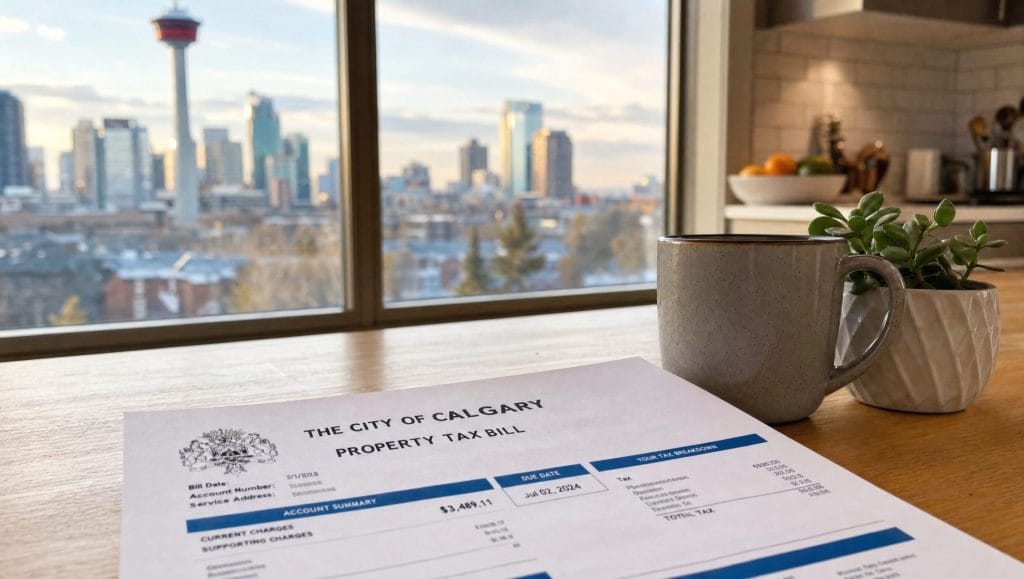
Calgary Property Tax Guide 2026: What Homeowners Must Know
Every homeowner in Calgary receives a property tax bill each year, but few truly understand how that number is calculated, what factors drive increases, or what options they have if they believe their assessment is unfair.
The Calgary property tax system is unique compared to other major Canadian cities. Alberta uses a municipal property tax model where the City of Calgary sets its own tax rate based on its annual budget needs, with assessments based on market value determined by the province. This creates a transparent but sometimes confusing process for homeowners.
Whether you recently purchased your first home in Calgary or have lived in the city for years, understanding how property taxes work in 2026 will help you budget more accurately and potentially save money by identifying errors in your assessment.
This guide covers everything Calgary homeowners need to know about property taxes — from how your assessment is calculated to how to appeal if you think you are being overcharged.
For informational purposes only. Always consult with a licensed real estate professional or tax advisor before proceeding with any real estate matter.
How Calgary Property Tax Works: The Basics
Property tax in Calgary is an annual tax levied by the City of Calgary on all residential and non-residential properties within city limits. It is the primary way the municipality funds essential services including police, fire protection, road maintenance, transit, parks, and community services.
The tax bill you receive each year is the result of a simple formula:
Property Tax = Assessed Value × Municipal Tax Rate
For example, if your home has an assessed value of $520,000 and the municipal tax rate is 0.67%, your annual property tax would be approximately $3,484.
It is important to note that your property assessment is not the same as your market value estimate from a real estate agent or online calculator. Assessments are conducted by the Alberta Assessor following provincial standards and may lag behind current market conditions.
Understanding Your Property Assessment
Your property assessment is the value assigned to your home by the City of Calgary’s assessment department, based on market conditions from the previous July 1. This assessment forms the basis of your tax calculation.
In 2026, most Calgary homeowners will have assessments based on the real estate market as of July 1, 2025. This means that if Calgary’s market has changed significantly since mid-2025, your assessment may not reflect current conditions.
What Factors Affect Your Assessment?
Your Calgary property assessment takes into account:
- Location — Properties in desirable neighbourhoods like Aspen Woods, Brittany, or Edgemont typically have higher assessments
- Living area and lot size — Larger homes on larger lots are assessed higher
- Age and condition — Newer homes and recently renovated properties are assessed at higher values
- Property type — Detached homes, townhouses, and condominiums are assessed differently
- Comparable sales — The assessor uses recent sales of similar properties to establish value
You can find your property’s current assessed value by searching on the City of Calgary’s property assessment portal.
Calgary Property Tax Rates for 2026
Each year, Calgary City Council approves the municipal tax rate based on the city’s annual budget. For 2026, the residential municipal tax rate is approximately 0.67% of assessed value.
In addition to the municipal tax, Calgary homeowners also pay:
- Provincial Education Tax — Set by the Alberta government, currently approximately 0.161% of assessed value
- Alberta School Foundation Fund — An additional education levy
Combined, the total residential property tax rate in Calgary for 2026 is approximately 0.83-0.86% of assessed value, depending on your specific location.
Here is a comparison of annual property tax costs for different home values in Calgary:
| Home Value | Approximate Annual Tax (0.85%) | Monthly Cost |
|———–|——————————-|————–|
| $400,000 | $3,400 | $283 |
| $500,000 | $4,250 | $354 |
| $600,000 | $5,100 | $425 |
| $750,000 | $6,375 | $531 |
| $900,000 | $7,650 | $638 |
These figures are estimates and actual amounts may vary based on your specific assessment and applicable tax rates.
How Property Tax Is Calculated in Calgary: Step-by-Step
The City of Calgary calculates your property tax using a two-step process that involves converting your assessed value into a taxable basis.
Step 1: The Assessment Phase
Each property in Calgary receives an assessment notice each year, typically mailed in January. The assessment reflects the market value of your property as of the previous July 1, as determined by the City Assessor.
Step 2: The Tax Rate Phase
Once all assessments are complete, Calgary City Council sets the tax rate needed to generate the revenue required for the city’s annual operating budget. This rate is expressed as a percentage of assessed value.
Step 3: The Tax Calculation
Your property tax is calculated by multiplying your assessed value by the combined tax rate (municipal + education). The formula is:
Annual Tax = Assessed Value × (Municipal Rate + Education Rate)
The City of Calgary publishes detailed property tax information on their official website, including tax rate schedules, due dates, and payment options.
Calgary Property Tax Payment Options
Calgary offers several convenient ways to pay your property tax bill.
Monthly Installment Plan
The City of Calgary’s Monthly Tax Instalment Plan allows homeowners to spread their property tax payments over 12 months, beginning in January. This is ideal for homeowners who prefer predictable monthly expenses rather than a lump-sum payment in June.
To enrol in the instalment plan, you must be current on your property tax payments and sign up by the deadline (typically January 31).
Annual Payment
You can also pay your full property tax bill annually by the due date, typically June 30 each year. Payment can be made:
- Online through your bank (add “City of Calgary” as a payee)
- By credit card through the City’s online portal (a service fee applies)
- In person at any City of Calgary civic centre
- By mail to the City’s property tax department
If your property is part of a mortgage, your lender may collect property tax monthly as part of your payment and remit it to the City on your behalf. Contact your mortgage provider to confirm.
How to Dispute Your Property Assessment
If you believe your Calgary property assessment does not reflect the true value of your home, you have the right to file a complaint with the Alberta Municipal Assessment Review Board (ARB).
Common Reasons to Appeal
- Your home was assessed higher than similar properties in your neighbourhood
- There are errors in the property data (wrong square footage, number of bedrooms, etc.)
- Your property’s condition was not properly accounted for
- Significant damage or deterioration was not considered
Steps to Appeal
1. Review your assessment notice carefully and compare it to similar properties using the City of Calgary’s assessment comparison tool
2. Contact the Assessor’s office to discuss your concerns — many issues are resolved without a formal hearing
3. File a complaint with the ARB if the issue is not resolved — complaints must be filed within 60 days of receiving your assessment notice
4. Prepare for your hearing by gathering comparable sales data and photographs of your property
For more information on disputing your assessment, visit the Alberta Municipal Affairs website or consult a property tax professional.
Calgary Property Tax: Key Facts for Homeowners
Here are the most important things every Calgary homeowner should know about property tax in 2026:
- Assessment date: July 1 of the prior year — your 2026 assessment reflects market value as of July 1, 2025
- Tax due date: Typically June 30 annually
- Late payment penalty: 7% penalty on unpaid taxes after the due date, plus additional penalties monthly
- Education tax included: Property taxes fund both municipal services and provincial education
- No Land Transfer Tax in Alberta: Unlike Ontario and BC, Alberta does not charge a Land Transfer Tax — saving buyers thousands at closing
- Seniors and special groups: Calgary offers property tax support programs for seniors, persons with disabilities, and low-income homeowners
- Appeals deadline: You have 60 days from your assessment notice date to file a complaint with the ARB
For more information on Calgary’s real estate market and how property taxes fit into your overall home buying budget, explore Calgary homes for sale and connect with a local expert.
FAQs: Calgary Property Tax Guide 2026
How is property tax calculated in Calgary?
Calgary property tax is calculated by multiplying your property’s assessed value by the combined municipal and education tax rate. For 2026, the combined residential rate is approximately 0.83-0.86% of assessed value. The City of Calgary sets the municipal rate based on its annual budget needs.
What is the property tax rate in Calgary for 2026?
The 2026 Calgary residential municipal tax rate is approximately 0.67% of assessed value. Combined with the provincial education tax, the total rate is approximately 0.83-0.86%. The exact rate depends on your specific property classification and location.
How do I find my property assessment in Calgary?
You can find your property’s assessed value by visiting the City of Calgary’s property assessment portal online. Enter your property address to view your current assessment, compare it to similar properties, and access your assessment history.
Can I dispute my property assessment in Calgary?
Yes. If you believe your property assessment is inaccurate, you can file a complaint with the Alberta Municipal Assessment Review Board (ARB) within 60 days of receiving your assessment notice. You should first contact the City Assessor’s office to discuss your concerns informally.
When is Calgary property tax due in 2026?
The annual property tax due date in Calgary is typically June 30 each year. If you are enrolled in the Monthly Instalment Plan, payments are due on the first business day of each month from January through December.
Does Calgary have a Land Transfer Tax?
No. Alberta does not charge a Land Transfer Tax, making Calgary and the surrounding area significantly more affordable for home buyers compared to Ontario and British Columbia, where buyers pay thousands in land transfer taxes upon closing.
Have questions about Calgary property taxes or want to learn more about the city’s real estate market? Get in touch with Sanket Patel or browse the latest Calgary homes for sale to explore your options.
Facebook ·
Instagram ·
TikTok ·
YouTube ·
REALTOR.ca ·
Google
Have questions about Calgary real estate? Get in touch with Sanket Patel — call or text anytime.
[email protected] · 820 26 St NE, Calgary, AB T2A 2M4
Looking for the Best Real Estate Agent in Calgary?
Sanket Patel is a top-rated Calgary realtor serving Calgary and surrounding areas. Whether you’re buying, selling, or investing in commercial property, get local expertise that delivers results.
Call today: 403-918-7080 | Free Consultation