
Author: mediamanager

  • Calgary Property Tax Guide 2026: What Homeowners Must Know

    Calgary Property Tax Guide 2026: What Homeowners Must Know

    Calgary Property Tax Guide 2026: What Homeowners Must Know

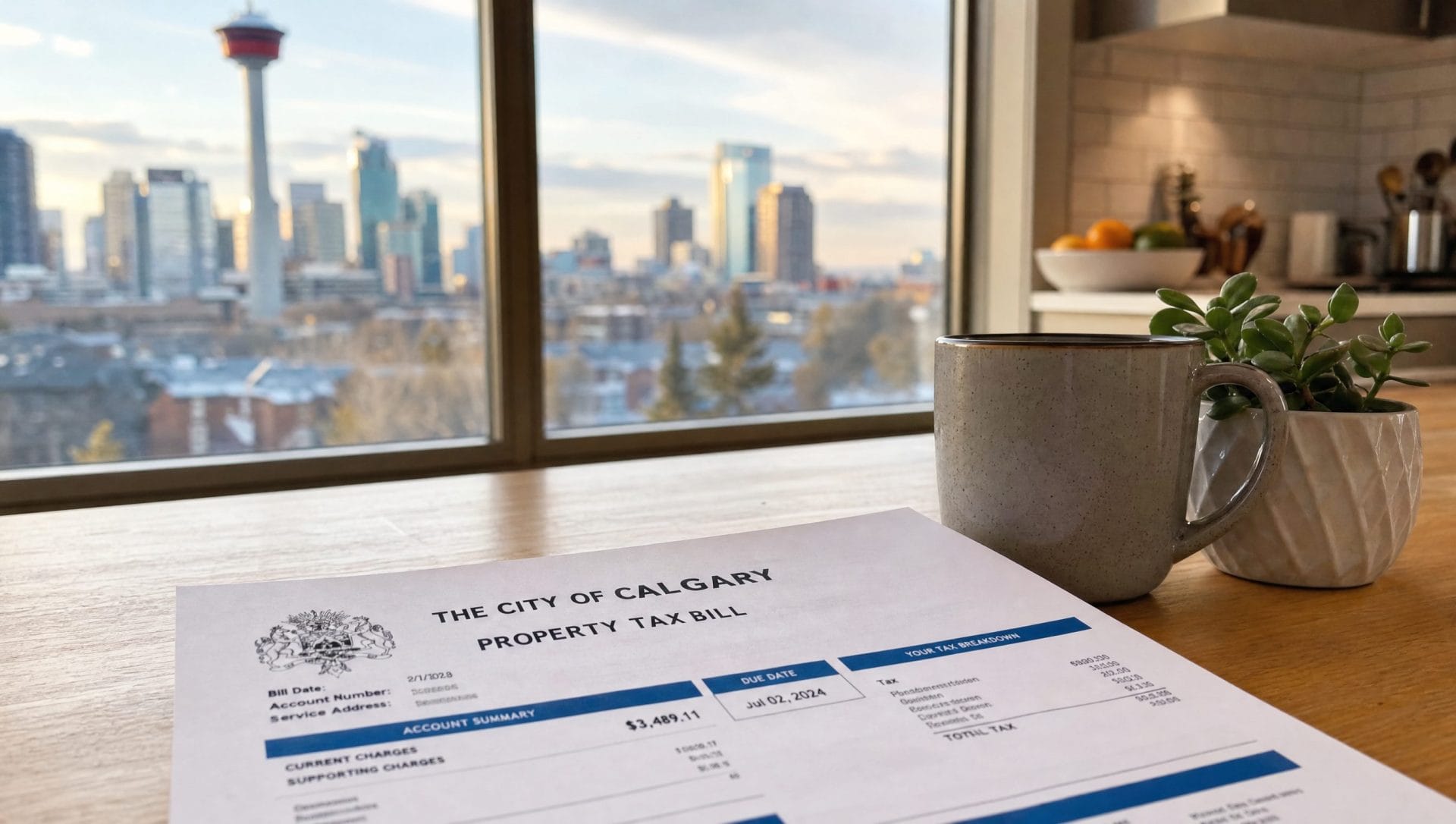
    Every homeowner in Calgary receives a property tax bill each year, but few truly understand how that number is calculated, what factors drive increases, or what options they have if they believe their assessment is unfair.

    The Calgary property tax system is unique compared to other major Canadian cities. Alberta uses a municipal property tax model where the City of Calgary sets its own tax rate based on its annual budget needs, with assessments based on market value determined by the province. This creates a transparent but sometimes confusing process for homeowners.

    Whether you recently purchased your first home in Calgary or have lived in the city for years, understanding how property taxes work in 2026 will help you budget more accurately and potentially save money by identifying errors in your assessment.

    This guide covers everything Calgary homeowners need to know about property taxes — from how your assessment is calculated to how to appeal if you think you are being overcharged.

    For informational purposes only. Always consult with a licensed real estate professional or tax advisor before proceeding with any real estate matter.

    How Calgary Property Tax Works: The Basics

    Property tax in Calgary is an annual tax levied by the City of Calgary on all residential and non-residential properties within city limits. It is the primary way the municipality funds essential services including police, fire protection, road maintenance, transit, parks, and community services.

    The tax bill you receive each year is the result of a simple formula:

    Property Tax = Assessed Value × Municipal Tax Rate

    For example, if your home has an assessed value of $520,000 and the municipal tax rate is 0.67%, your annual property tax would be approximately $3,484.

    It is important to note that your property assessment is not the same as your market value estimate from a real estate agent or online calculator. Assessments are conducted by the Alberta Assessor following provincial standards and may lag behind current market conditions.

    Understanding Your Property Assessment

    Your property assessment is the value assigned to your home by the City of Calgary’s assessment department, based on market conditions from the previous July 1. This assessment forms the basis of your tax calculation.

    In 2026, most Calgary homeowners will have assessments based on the real estate market as of July 1, 2025. This means that if Calgary’s market has changed significantly since mid-2025, your assessment may not reflect current conditions.

    What Factors Affect Your Assessment?

    Your Calgary property assessment takes into account:

    • Living area and lot size — Larger homes on larger lots are assessed higher
    • Age and condition — Newer homes and recently renovated properties are assessed at higher values
    • Property type — Detached homes, townhouses, and condominiums are assessed differently
    • Comparable sales — The assessor uses recent sales of similar properties to establish value

    You can find your property’s current assessed value by searching on the City of Calgary’s property assessment portal.

    Calgary Property Tax Rates for 2026

    Each year, Calgary City Council approves the municipal tax rate based on the city’s annual budget. For 2026, the residential municipal tax rate is approximately 0.67% of assessed value.

    In addition to the municipal tax, Calgary homeowners also pay:

    • Provincial Education Tax — Set by the Alberta government, currently approximately 0.161% of assessed value
    • Alberta School Foundation Fund — An additional education levy

    Combined, the total residential property tax rate in Calgary for 2026 is approximately 0.83-0.86% of assessed value, depending on your specific location.

    Here is a comparison of annual property tax costs for different home values in Calgary:

    | Home Value | Approximate Annual Tax (0.85%) | Monthly Cost |

    |———–|——————————-|————–|

    | $400,000 | $3,400 | $283 |

    | $500,000 | $4,250 | $354 |

    | $600,000 | $5,100 | $425 |

    | $750,000 | $6,375 | $531 |

    | $900,000 | $7,650 | $638 |

    These figures are estimates and actual amounts may vary based on your specific assessment and applicable tax rates.

    How Property Tax Is Calculated in Calgary: Step-by-Step

    The City of Calgary calculates your property tax using a two-step process that involves converting your assessed value into a taxable basis.

    Step 1: The Assessment Phase

    Each property in Calgary receives an assessment notice each year, typically mailed in January. The assessment reflects the market value of your property as of the previous July 1, as determined by the City Assessor.

    Step 2: The Tax Rate Phase

    Once all assessments are complete, Calgary City Council sets the tax rate needed to generate the revenue required for the city’s annual operating budget. This rate is expressed as a percentage of assessed value.

    Step 3: The Tax Calculation

    Your property tax is calculated by multiplying your assessed value by the combined tax rate (municipal + education). The formula is:

    Annual Tax = Assessed Value × (Municipal Rate + Education Rate)

    The City of Calgary publishes detailed property tax information on their official website, including tax rate schedules, due dates, and payment options.

    Calgary Property Tax Payment Options

    Calgary offers several convenient ways to pay your property tax bill.

    Monthly Installment Plan

    The City of Calgary’s Monthly Tax Instalment Plan allows homeowners to spread their property tax payments over 12 months, beginning in January. This is ideal for homeowners who prefer predictable monthly expenses rather than a lump-sum payment in June.

    To enrol in the instalment plan, you must be current on your property tax payments and sign up by the deadline (typically January 31).

    Annual Payment

    You can also pay your full property tax bill annually by the due date, typically June 30 each year. Payment can be made:

    • Online through your bank (add “City of Calgary” as a payee)
    • By credit card through the City’s online portal (a service fee applies)
    • In person at any City of Calgary civic centre
    • By mail to the City’s property tax department

    If your property is part of a mortgage, your lender may collect property tax monthly as part of your payment and remit it to the City on your behalf. Contact your mortgage provider to confirm.

    How to Dispute Your Property Assessment

    If you believe your Calgary property assessment does not reflect the true value of your home, you have the right to file a complaint with the Alberta Municipal Assessment Review Board (ARB).

    Common Reasons to Appeal

    • Your home was assessed higher than similar properties in your neighbourhood
    • There are errors in the property data (wrong square footage, number of bedrooms, etc.)
    • Your property’s condition was not properly accounted for
    • Significant damage or deterioration was not considered

    Steps to Appeal

    1. Review your assessment notice carefully and compare it to similar properties using the City of Calgary’s assessment comparison tool

    2. Contact the Assessor’s office to discuss your concerns — many issues are resolved without a formal hearing

    3. File a complaint with the ARB if the issue is not resolved — complaints must be filed within 60 days of receiving your assessment notice

    4. Prepare for your hearing by gathering comparable sales data and photographs of your property

    For more information on disputing your assessment, visit the Alberta Municipal Affairs website or consult a property tax professional.

    Calgary Property Tax: Key Facts for Homeowners

    Here are the most important things every Calgary homeowner should know about property tax in 2026:

    • Assessment date: July 1 of the prior year — your 2026 assessment reflects market value as of July 1, 2025
    • Tax due date: Typically June 30 annually
    • Late payment penalty: 7% penalty on unpaid taxes after the due date, plus additional penalties monthly
    • Education tax included: Property taxes fund both municipal services and provincial education
    • No Land Transfer Tax in Alberta: Unlike Ontario and BC, Alberta does not charge a Land Transfer Tax — saving buyers thousands at closing
    • Seniors and special groups: Calgary offers property tax support programs for seniors, persons with disabilities, and low-income homeowners
    • Appeals deadline: You have 60 days from your assessment notice date to file a complaint with the ARB

    For more information on Calgary’s real estate market and how property taxes fit into your overall home buying budget, explore Calgary homes for sale and connect with a local expert.

    FAQs: Calgary Property Tax Guide 2026

    How is property tax calculated in Calgary?

    Calgary property tax is calculated by multiplying your property’s assessed value by the combined municipal and education tax rate. For 2026, the combined residential rate is approximately 0.83-0.86% of assessed value. The City of Calgary sets the municipal rate based on its annual budget needs.

    What is the property tax rate in Calgary for 2026?

    The 2026 Calgary residential municipal tax rate is approximately 0.67% of assessed value. Combined with the provincial education tax, the total rate is approximately 0.83-0.86%. The exact rate depends on your specific property classification and location.

    How do I find my property assessment in Calgary?

    You can find your property’s assessed value by visiting the City of Calgary’s property assessment portal online. Enter your property address to view your current assessment, compare it to similar properties, and access your assessment history.

    Can I dispute my property assessment in Calgary?

    Yes. If you believe your property assessment is inaccurate, you can file a complaint with the Alberta Municipal Assessment Review Board (ARB) within 60 days of receiving your assessment notice. You should first contact the City Assessor’s office to discuss your concerns informally.

    When is Calgary property tax due in 2026?

    The annual property tax due date in Calgary is typically June 30 each year. If you are enrolled in the Monthly Instalment Plan, payments are due on the first business day of each month from January through December.

    Does Calgary have a Land Transfer Tax?

    No. Alberta does not charge a Land Transfer Tax, making Calgary and the surrounding area significantly more affordable for home buyers compared to Ontario and British Columbia, where buyers pay thousands in land transfer taxes upon closing.


    Have questions about Calgary property taxes or want to learn more about the city’s real estate market? Get in touch with Sanket Patel or browse the latest Calgary homes for sale to explore your options.

    Facebook ·
    Instagram ·
    TikTok ·
    YouTube ·
    REALTOR.ca ·
    Google

    Have questions about Calgary real estate? Get in touch with Sanket Patelcall or text anytime.

    [email protected] · 820 26 St NE, Calgary, AB T2A 2M4

    Looking for the Best Real Estate Agent in Calgary?

    Sanket Patel is a top-rated Calgary realtor serving Calgary and surrounding areas. Whether you’re buying, selling, or investing in commercial property, get local expertise that delivers results.

    Call today: 403-918-7080 | Free Consultation
  • First-Time Homebuyer GST Rebate 2026: Everything You Need to Know

    First-Time Homebuyer GST Rebate 2026: Everything You Need to Know

    First-Time Homebuyer GST Rebate 2026: Everything You Need to Know

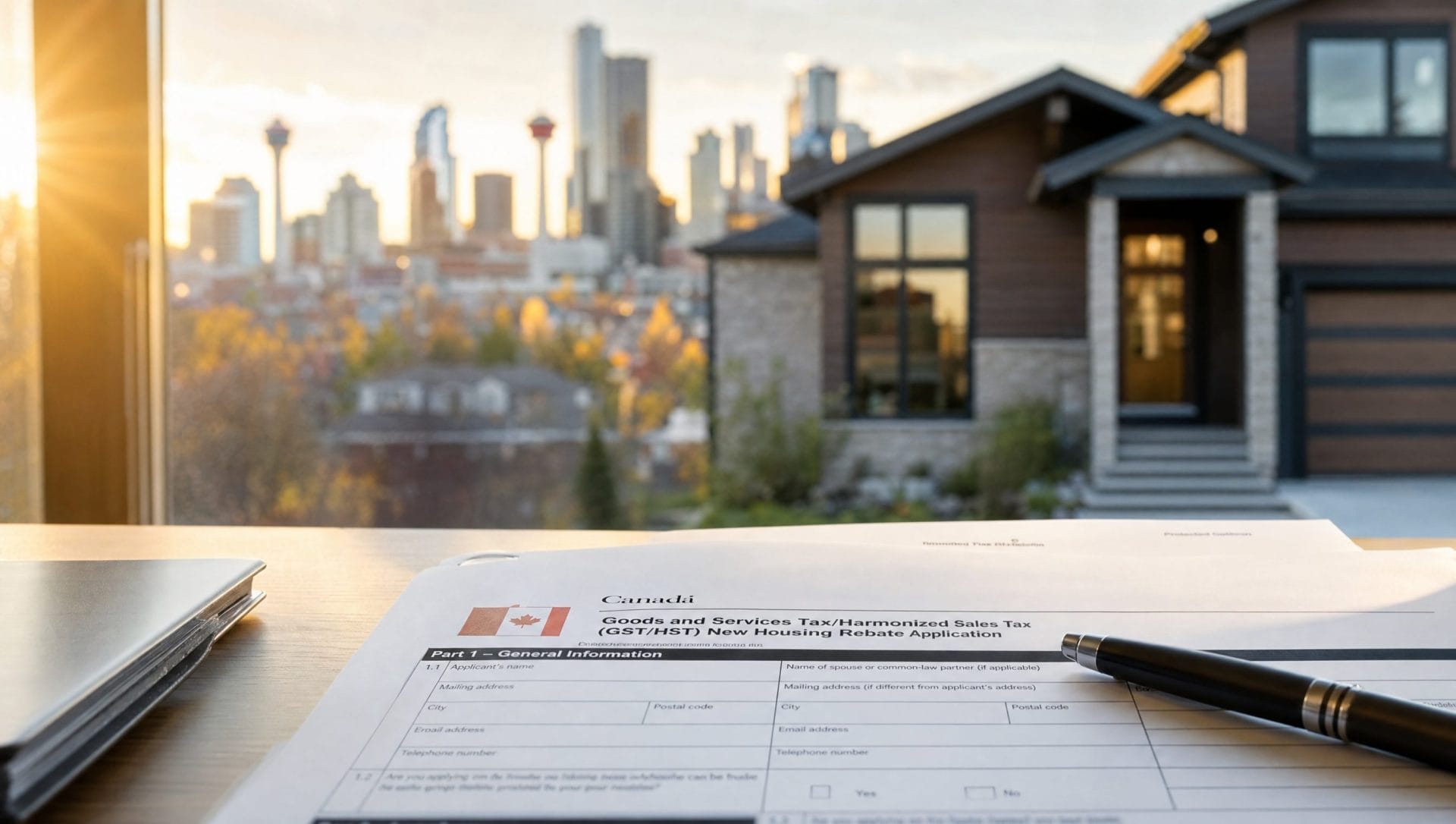
    Buying your first home in Calgary is exciting, but the additional costs can add up quickly. One financial relief many buyers overlook is the Goods and Services Tax (GST) New Housing Rebate — a federal program that can return thousands of dollars to your pocket when purchasing a new or substantially renovated home in Alberta.

    The GST New Housing Rebate in 2026 can be worth up to $30,000 for qualifying buyers, making it one of the most valuable federal incentives available to first-time homebuyers in Canada. However, the rules around who qualifies, how much you can claim, and when to apply can be confusing.

    This guide explains exactly how the first-time homebuyer GST rebate works for Calgary and Alberta buyers in 2026, including who qualifies, what properties are eligible, and how to claim your money.

    For informational purposes only. Always consult with a licensed real estate professional and tax advisor before proceeding with any real estate transaction.

    What Is the GST New Housing Rebate?

    The GST New Housing Rebate is a federal program administered by the Canada Revenue Agency (CRA) that returns a portion of the GST or HST paid on the purchase or construction of a new home.

    In Alberta, the provincial sales tax is 0%, so buyers pay only the 5% federal GST on new homes. The rebate allows qualifying buyers to recover a significant portion of that GST.

    The rebate is available to:

    • First-time homebuyers purchasing a new or substantially renovated home
    • Buyers building a new home as their primary residence
    • Certain individuals who have rebuilt or renovated their existing home after a fire or disaster

    The rebate amount depends on the purchase price of the home, with a maximum rebate of $30,000 for homes priced at $450,000 or more.

    How Much Can You Claim?

    The GST New Housing Rebate is calculated based on a sliding scale tied to the purchase price or construction cost of your home.

    For homes purchased or built in 2026, the rebate follows this formula:

    Rebate = 36% × GST paid, up to the maximum rebate

    Here is the breakdown by purchase price:

    | Purchase Price | GST at 5% | Maximum Rebate | Your Net GST Cost |

    |—————|———–|—————|——————-|

    | $350,000 | $17,500 | $9,975 | $7,525 |

    | $400,000 | $20,000 | $11,400 | $8,600 |

    | $450,000 | $22,500 | $12,825 | $9,675 |

    | $500,000 | $25,000 | $14,250 | $10,750 |

    | $600,000+ | varies | $30,000 | varies |

    For homes priced at $450,000 and above, the maximum rebate of $30,000 applies. This means a buyer purchasing a $550,000 new home in Calgary would receive $30,000 back from the federal government.

    If you’re shopping in Calgary’s new home communities, check out listings in Cranston, Mahon, or Seton to see what new construction is available in your price range.

    Do You Qualify as a First-Time Homebuyer?

    The CRA has specific criteria for qualifying as a first-time homebuyer for the GST rebate purposes.

    Primary Residence Requirement

    You (or your spouse or common-law partner) must intend to occupy the home as your primary place of residence. This means the home must become where you live and conduct your daily activities. Investment properties do not qualify.

    Previous Ownership Disqualifiers

    You are NOT considered a first-time homebuyer if:

    • You (or your spouse/partner) owned a home at any point in the previous four years
    • You (or your spouse/partner) received a GST New Housing Rebate or HST New Housing Rebate previously
    • You are purchasing the home from a person who is not an arm’s-length party (such as a family member) and that person received a GST rebate

    Joint Purchases

    If two people purchase a home together, both must qualify as first-time homebuyers to claim the full rebate. If one partner has previously owned a home, the rebate may be reduced or denied.

    New Construction vs. Resale Homes

    A critical distinction that many Calgary buyers miss: resale homes are exempt from GST entirely. You only pay GST on the purchase of a new or substantially renovated home.

    This means the GST rebate is not relevant for resale properties. If you’re buying an existing home in a neighbourhood like Beltline, Kensington, or Inglewood, GST does not apply and there is nothing to rebate.

    Substantial Renovation

    A home is considered “substantially renovated” if it has been renovated to such a degree that 90% or more of the interior walls, floors, and ceilings have been removed or replaced. A simple kitchen renovation or bathroom update does not qualify.

    Substantially renovated homes are treated the same as new construction for GST purposes.

    How to Apply for the GST Rebate

    Once you have purchased your new home, you must file the GST rebate application with the CRA. Here is the step-by-step process:

    Step 1: Obtain Form GST190

    Download Form GST190 — GST/HST New Housing Rebate Application — from the CRA website. There are separate versions depending on whether you are purchasing a new home from a builder or building your own home.

    Step 2: Gather Your Documents

    You will need:

    • Copy of your purchase agreement or construction contract
    • Statement of adjustments from your lawyer
    • Proof of closing funds
    • ID for all purchasers
    • Confirmation that the home will be your primary residence

    Step 3: Complete the Form

    Fill in the purchase price, GST collected, and calculate your rebate amount using the formula on the form. If your builder has already included the rebate in your closing costs (which most do), make sure this is reflected in your calculations.

    Step 4: Submit to the CRA

    Send your completed Form GST190 to your local CRA tax centre. You can submit by mail or through the CRA My Account portal online.

    Step 5: Receive Your Rebate

    The CRA typically processes GST rebate applications within 4–8 weeks. Payment is issued by direct deposit to your bank account or by cheque.

    Builder-Included GST Rebates: What to Watch For

    Many Calgary home builders include the GST rebate as part of their pricing structure, meaning they claim the rebate on your behalf and reduce the purchase price accordingly. This is a common practice and is perfectly legal.

    However, buyers should verify:

    • Is the rebate included in your purchase price? — Ask your builder directly if the GST rebate has been factored into the listed price
    • What is the actual GST amount? — Ensure the builder is not charging you GST and then only partially rebating it
    • Are there conditions on the rebate? — Some builders offer a “free” GST rebate as a promotional incentive, but the home price may already reflect this

    If you are working with a REALTOR®, they can help you review the purchase agreement to ensure you are receiving the full benefit of any GST rebates. Browse homes for sale in Calgary to explore new construction options.

    Combining the GST Rebate with Other Incentives

    The GST New Housing Rebate can be stacked with other federal and provincial programs for maximum benefit:

    • First-Time Home Buyer Incentive (FTHBI): The federal shared-equity program can be combined with the GST rebate. A couple buying a $500,000 new home in Calgary could potentially receive $30,000 from the GST rebate plus 5% from the FTHBI.
    • RRSP Home Buyers’ Plan: Withdraw up to $60,000 from your RRSPs tax-free to put toward your down payment. This does not reduce your GST rebate eligibility.
    • CMHC Mortgage Insurance: If your down payment is below 20%, CMHC insurance is required. This insurance cost is added to your mortgage and is calculated on the post-GST purchase price.

    For a complete picture of all available incentives for first-time buyers in Alberta, visit the Government of Alberta’s housing resources page.

    Calgary First-Time Homebuyer GST Rebate Checklist

    Before closing on your new Calgary home, verify the following:

    • Confirm the property is new or substantially renovated — resale homes are GST-exempt
    • Verify your first-time buyer status — you must not have owned a home in the past 4 years
    • Ask the builder about GST inclusion — confirm whether the price includes GST and the rebate
    • Download Form GST190 from the CRA website before closing
    • Gather your purchase agreement and closing documents for the application
    • Calculate your estimated rebate amount using the table above
    • Submit your application within 2 years of closing (the CRA deadline)
    • Check My Account online for direct deposit setup for faster rebate payment

    FAQs: First-Time Homebuyer GST Rebate 2026

    Who qualifies for the GST New Housing Rebate in Alberta?

    You qualify if you are a first-time homebuyer purchasing a new or substantially renovated home in Alberta as your primary residence. You must not have owned a home in the previous four years, and neither you nor your spouse can have previously claimed this rebate.

    How much is the GST rebate for a $500,000 new home?

    On a $500,000 new home, you pay $25,000 in GST (5%). The maximum rebate for this purchase price is $14,250, meaning your net GST cost would be approximately $10,750. The exact amount depends on the purchase price and applicable rebate formula.

    Do I pay GST on resale homes in Calgary?

    No. Resale homes are exempt from GST in Alberta. GST only applies to new construction and substantially renovated homes. Calgary’s resale market includes properties in communities like Airdrie, Cochrane, and Okotoks.

    How do I apply for the GST rebate in Calgary?

    Download Form GST190 from the CRA website, complete it with your purchase details, and submit it by mail or online through CRA My Account. Most Calgary home builders also handle this process on your behalf — confirm with your builder before closing.

    How long does the GST rebate take to process?

    The CRA typically processes GST New Housing Rebate applications within 4–8 weeks. Payments are issued by direct deposit or cheque. The application must be submitted within two years of the closing date.


    Looking for your first Calgary home? Browse the latest Calgary homes for sale or connect with Sanket Patel to explore new construction options and maximize your first-time buyer incentives.

    Facebook · Instagram · TikTok · YouTube · REALTOR.ca · Google

    Have questions about Calgary real estate? Get in touch with Sanket Patelcall or text anytime.

    [email protected] · 820 26 St NE, Calgary, AB T2A 2M4

  • How Much Down Payment for a House in Calgary? Complete Guide 2026

    How Much Down Payment for a House in Calgary? Complete Guide 2026

    How Much Down Payment for a House in Calgary? Complete Guide 2026

    Buying a home in Calgary is a major financial milestone, and the first question most buyers ask is: how much do I need for a down payment? Whether you’re purchasing your first home in a family-friendly neighbourhood or investing in a growing community, understanding Calgary’s down payment requirements is essential before you start house hunting.

    The short answer is that the minimum down payment in Calgary is 5% for homes under $500,000, with higher thresholds for properties priced above that mark. But the real answer involves much more — including RRSP withdrawal programs, federal incentives, and lender requirements that can affect how much cash you actually need on hand.

    This guide breaks down exactly what you need to know about down payments for a house in Calgary in 2026, including minimum amounts, additional costs, and strategies to maximize your purchasing power in the current market.

    For informational purposes only. Always consult with a licensed real estate professional and mortgage advisor before proceeding with any real estate transaction.

    What Is a Down Payment?

    A down payment is the amount of money you pay upfront when purchasing a home. The remaining portion is covered by your mortgage, which is paid back to your lender over time with interest.

    The size of your down payment directly affects:

    • Your monthly mortgage payments — a larger down payment means a smaller mortgage and lower monthly costs
    • Your mortgage interest rate — lenders often offer better rates for down payments of 20% or more
    • Whether you need mortgage default insurance — required for down payments below 20%

    In Calgary’s real estate market, where the average home price continues to evolve, understanding these mechanics can save you thousands of dollars over the life of your mortgage.

    Minimum Down Payment Requirements in Calgary (2026)

    The Government of Canada sets the baseline rules for down payments across the country, but Alberta buyers should understand how these apply locally.

    Homes Under $500,000

    For properties priced below $500,000, the minimum down payment is 5%. This applies to most entry-level homes in Calgary communities like Cranston, McKenzie Lake, and Airdrie.

    Example: On a $425,000 home in Calgary, you would need a minimum down payment of $21,250.

    Homes Between $500,000 and $999,999

    For homes priced between $500,000 and $999,999, the minimum down payment is:

    • 5% on the first $500,000, plus
    • 10% on the portion above $500,000

    Example: On a $650,000 home in Calgary, your minimum down payment would be:

    • First $500,000 × 5% = $25,000
    • Remaining $150,000 × 10% = $15,000
    • Total minimum: $40,000

    This tiered structure is why many buyers in Calgary’s mid-market neighbourhoods find they need more than they initially expected.

    Homes $1,000,000 and Above

    For properties priced at $1,000,000 or more, the minimum down payment is 20%. These “million-dollar homes” are increasingly common in communities like Aspen Woods, Springbank, and other premium Calgary neighbourhoods.

    Calgary Down Payment Checklist

    Before you start touring homes, make sure you have the following ready:

    • 5% of purchase price (minimum for homes under $500,000)
    • Additional 5-10% for homes in the $500K–$999K range
    • Proof of funds in your bank account (lenders want to see the money has been sitting there for 90+ days)
    • GIFT letters if any portion comes from a family member’s gift (lenders require this in writing)
    • Closing costs budget (typically 1.5–4% of purchase price on top of your down payment)
    • Home Inspection contingency funds
    • Property Transfer Tax (Alberta does not charge this — a key advantage over BC buyers)

    If you’re buying in a competitive neighbourhood, having more than the minimum down payment can strengthen your offer. Check current listings on the Calgary homes for sale page to get a sense of what’s available in your price range.

    First-Time Home Buyer Incentives and Programs

    Calgary and Alberta offer several programs that can reduce the cash you need upfront.

    First-Time Home Buyer Incentive (FTHBI)

    The federal government’s First-Time Home Buyer Incentive (FTHBI) offers a shared equity loan of 5% or 10% of your home’s purchase price. This reduces your mortgage size and monthly payments without requiring you to save more money upfront. The loan is repaid when you sell the home or after 25 years.

    To qualify for the FTHBI:

    • You must be a first-time home buyer
    • Your household income must be under $120,000 (for 2026)
    • Your borrower’s share must be 4x your household income or less
    • The purchase price must be under $565,000 (national limit for 2026)

    RRSP Home Buyers’ Plan (HBP)

    The Home Buyers’ Plan allows you to withdraw up to $60,000 from your Registered Retirement Savings Plan (RRSP) tax-free to buy or build a qualifying home. You must repay the withdrawn amount over 15 years.

    This is one of the most powerful tools available to Calgary first-time buyers who have been contributing to RRSPs through their workplace plans.

    GST/HST New Housing Rebate

    If you’re buying a newly constructed home in Calgary, you may be eligible for a GST/HST New Housing Rebate. For a $450,000 newly built home, the rebate can be worth up to $30,000. Work with your REALTOR® and accountant to ensure you’re claiming every dollar available.

    Additional Costs Beyond Your Down Payment

    Many first-time buyers focus solely on their down payment and forget the other costs that come with purchasing a home in Calgary.

    | Cost | Typical Amount | Who Pays |

    |——|—————|———-|

    | Land Transfer Tax | 0% in Alberta | N/A |

    | Legal Fees | $1,500–$3,000 | Buyer |

    | Title Insurance | $200–$400 | Buyer |

    | Home Inspection | $400–$600 | Buyer |

    | Appraisal Fee | $300–$500 | Buyer |

    | Property Appraisal | $300–$500 | Buyer |

    | Moving Costs | $1,000–$5,000 | Buyer |

    | CMHC Insurance | 2.8–4.0% of mortgage | Added to mortgage |

    Alberta is one of the few provinces that does not charge a Land Transfer Tax, making it one of the most cost-effective provinces for home buyers. This is a significant advantage for Calgary buyers compared to markets like Toronto or Vancouver.

    For a detailed breakdown of Calgary neighbourhoods and what your money buys in each, see the Calgary Communities Guide.

    Calgary Mortgage Rates and Your Down Payment

    Your down payment doesn’t just affect how much you borrow — it also affects the interest rate you pay.

    Down Payments Under 20%

    If your down payment is less than 20%, you are required to purchase mortgage default insurance through the Canada Mortgage and Housing Corporation (CMHC) or a private insurer. This insurance protects your lender if you default on your payments.

    CMHC insurance costs between 2.8% and 4.0% of your mortgage amount, and is typically added to your mortgage balance.

    Current CMHC insurance rate tiers:

    • 5–9.99% down payment: 4.0% premium
    • 10–14.99% down payment: 3.1% premium
    • 15–19.99% down payment: 2.8% premium

    Down Payments of 20% or More

    A down payment of 20% or more means you avoid CMHC insurance entirely. This is often called “getting CMHC out of your payment.” While you still pay a larger upfront amount, your overall borrowing cost over time is lower.

    As of mid-2026, Calgary lenders are offering competitive rates for well-qualified buyers with 20%+ down payments. Talk to a Calgary mortgage broker to understand how your down payment strategy affects your rate.

    How Much House Can You Afford in Calgary?

    A common rule of thumb is the Gross Debt Service (GDS) ratio, which states that your housing costs (mortgage, property taxes, heating) should not exceed 39% of your gross monthly income.

    Similarly, your Total Debt Service (TDS) ratio — including all debts — should stay below 44%.

    For a household earning $95,000 per year in Calgary, here is a rough affordability estimate:

    • Gross monthly income: ~$7,917
    • Maximum GDS payment: ~$3,088/month
    • With 10% down on a $525,000 home: mortgage payments would be roughly $2,800–$3,200/month depending on rate and amortization

    The best way to get a precise picture is to work with a mortgage calculator. ATB Financial’s mortgage calculator is a useful starting point for estimating your monthly payments based on different down payment scenarios.

    FAQs: Down Payment for a House in Calgary

    What is the minimum down payment for a house in Calgary?

    The minimum down payment in Calgary is 5% for homes under $500,000. For homes between $500,000 and $999,999, you need 5% on the first $500,000 plus 10% on the remainder. Homes over $1,000,000 require at least 20% down.

    Do I need 20% down to buy a house in Calgary?

    No. You only need 20% down for homes priced at $1,000,000 or more. For most Calgary homes under $500,000, you can purchase with as little as 5% down. However, a 20% down payment eliminates CMHC insurance and can lower your overall borrowing costs.

    What additional costs should I budget for besides my down payment?

    Plan for 1.5–4% of the purchase price in closing costs. This includes legal fees ($1,500–$3,000), title insurance ($200–$400), home inspection ($400–$600), and moving costs. Unlike most provinces, Alberta does not charge a Land Transfer Tax, saving buyers thousands of dollars.

    Can I use my RRSP for a down payment in Calgary?

    Yes. The federal Home Buyers’ Plan allows first-time buyers to withdraw up to $60,000 from their RRSPs tax-free to purchase a home. The withdrawn amount must be repaid over 15 years.

    Does Alberta have a first-time home buyer grant?

    Alberta does not have a provincial first-time home buyer grant, but the federal First-Time Home Buyer Incentive (FTHBI) offers a shared equity loan of 5–10% of your purchase price, available to buyers who meet income and purchase price limits. Calgary buyers may also qualify for the GST/HST New Housing Rebate on newly constructed homes.


    Ready to explore your home buying options in Calgary? Browse the latest homes for sale in Calgary or get in touch with Sanket Patel to discuss your down payment strategy and find the right property for your budget.

    Facebook ·
    Instagram ·
    TikTok ·
    YouTube ·
    REALTOR.ca ·
    Google

    Have questions about Calgary real estate? Get in touch with Sanket Patelcall or text anytime.

    [email protected] · 820 26 St NE, Calgary, AB T2A 2M4

    Looking for the Best Real Estate Agent in Calgary?

    Sanket Patel is a top-rated Calgary realtor serving Calgary and surrounding areas. Whether you’re buying, selling, or investing in commercial property, get local expertise that delivers results.

    Call today: 403-918-7080 | Free Consultation

  • Calgary Housing Market Forecast 2026: What Buyers and Sellers Need to Know This Quarter

    Calgary Housing Market Forecast 2026: What Buyers and Sellers Need to Know This Quarter

    Calgary Housing Market Forecast 2026: What Buyers and Sellers Need to Know This Quarter

    Calgary’s real estate market has been one of the most closely watched in Canada throughout 2026. After a red-hot 2024 and a more balanced 2025, this year has brought a new set of dynamics that both buyers and sellers need to understand.

    If you are thinking about buying or selling a home in Calgary this quarter, here is what the data tells us — and what it means for your next move.

    For informational purposes only. Always consult with a licensed real estate professional before proceeding with any real estate transaction.

    Current State of the Calgary Housing Market

    The Calgary Real Estate Board (CREB) reported that total residential sales in the first quarter of 2026 remained steady compared to the same period last year. However, the story varies significantly depending on property type and price segment.

    Detached homes in the $500,000–$700,000 range continue to see the most activity. Townhouses and condos, particularly in the under-$400,000 segment, are attracting first-time buyers looking to get into the market before prices climb further.

    Inventory levels have improved compared to the tight supply we saw in 2024, but well-priced homes in desirable neighbourhoods are still moving quickly — often within two to three weeks.

    Home Price Trends: Where Are We Heading?

    Calgary home prices have shown moderate appreciation in early 2026, with the benchmark residential price hovering around $565,000 according to CREB data. That represents a roughly 3-4% increase year-over-year — a far cry from the double-digit gains of 2024, but still solid growth.

    Several factors are supporting prices:

    • Population growth: Alberta continues to lead the country in interprovincial migration, with Calgary as the primary destination
    • Employment recovery: The energy sector has stabilized, and tech sector growth is adding high-paying jobs
    • Relative affordability: Compared to Toronto and Vancouver, Calgary offers significantly more house for the money

    Looking ahead to Q3, most analysts expect price growth to remain in the 2-5% range annually, with the possibility of a slight cooling if interest rates remain elevated.

    Interest Rate Outlook and What It Means for Buyers

    The Bank of Canada has held its overnight rate steady through the first half of 2026, and markets are pricing in a potential rate cut later this year. For buyers, this creates an interesting dynamic.

    If you lock in a fixed-rate mortgage today, you are likely looking at rates in the 4.5-5.5% range for a five-year fixed term. If rates drop later this year, you may be able to renew into a lower rate — but there is no guarantee.

    The Canada Mortgage and Housing Corporation (CMHC) recommends that buyers stress-test their budget at least 2% above their current rate to ensure they can handle potential increases at renewal.

    For sellers, stable-to-declining rates could bring more buyers back into the market in the second half of the year, which may support stronger sale prices.

    Neighbourhoods to Watch in Q3 2026

    Not all Calgary neighbourhoods are performing equally. Based on recent sales data and development activity, here are the areas generating the most buyer interest this quarter:

    • Southeast communities like Auburn Bay, Mahogany, and Seton continue to attract young families with new builds and amenities
    • Beltline and Bridgeland remain popular with professionals and investors seeking walkable urban living
    • Airdrie and Cochrane are seeing strong demand from buyers priced out of Calgary proper who want more space
    • Legacy and Wolf Willow in the southwest offer newer construction at relatively accessible price points

    If you are buying, these neighbourhoods offer good long-term appreciation potential. If you are selling in one of these areas, expect competitive interest — especially for homes priced under $650,000.

    For a full breakdown of Calgary communities, check out our Calgary Communities Guide.

    Should You Buy or Sell in Q3 2026?

    The answer depends on your personal situation, but here is the general outlook:

    For buyers: Q3 2026 offers a more balanced market than we have seen in recent years. Inventory is better, and while prices are still rising, the pace has moderated. If you are financially ready, this is a reasonable time to buy — especially if you plan to hold for five-plus years.

    For sellers: Well-maintained homes in desirable areas are still selling quickly and close to asking price. If you are considering selling, the summer months (June through August) typically see the highest buyer activity, making Q3 an excellent listing window.

    For investors: Calgary’s rental market remains tight, with vacancy rates below 2%. Investment properties — particularly duplexes and homes with legal suites — continue to generate strong cash flow.

    Key Data Points at a Glance

    Here is a quick snapshot of the Calgary market heading into Q3 2026:

    • Benchmark home price: ~$565,000 (up 3-4% year-over-year)
    • Average days on market: 28 days for detached homes
    • Inventory: ~3.5 months of supply (balanced market)
    • Sales-to-new-listings ratio: ~55% (slightly favouring sellers)
    • Rental vacancy rate: Below 2%

    These numbers suggest a market that is healthy but not overheated — good news for both buyers and sellers who take the time to understand local conditions.

    Frequently Asked Questions

    Is the Calgary housing market going to crash in 2026?

    Most analysts do not expect a crash. While a modest price correction is possible if economic conditions worsen, Calgary’s strong population growth, diversified economy, and relative affordability provide a solid floor under prices. A return to 2024-level growth is unlikely, but a severe downturn is not the base case.

    What is the best time to buy a home in Calgary?

    Historically, the best buying conditions occur in the fall and winter months (October through February) when there is less competition from other buyers. However, inventory is also lower during this period. If you want the best selection, spring and summer offer more options — but expect more competition.

    How much do I need to earn to buy a home in Calgary?

    As a rough guideline, a household income of $100,000–$120,000 is typically needed to comfortably afford a median-priced Calgary home ($565,000) with a 10% down payment and a 30-year amortization. Your specific affordability will depend on your debt levels, down payment, and the mortgage rate you qualify for.

    Are Calgary home prices expected to keep rising?

    Most forecasts call for modest price appreciation of 2-5% annually through the end of 2026. The Statistics Canada housing data and CMHC projections both support this view. However, unexpected economic shocks — such as a major downturn in oil prices or a significant rise in unemployment — could alter the outlook.

    Should I wait for interest rates to drop before buying?

    Trying to time the market is risky. If you find a home you love and can afford the monthly payments, buying now and potentially refinancing later if rates drop is often a better strategy than waiting indefinitely. A local mortgage broker can help you evaluate your options.

    Looking to buy or sell in Calgary this quarter? Contact Sanket Patel for a personalized market analysis and strategy session.

    Facebook ·
    Instagram ·
    TikTok ·
    YouTube ·
    REALTOR.ca ·
    Google

    Have questions about Calgary real estate? Get in touch with Sanket Patelcall or text anytime.

    [email protected] · 820 26 St NE, Calgary, AB T2A 2M4

    Looking for the Best Real Estate Agent in Calgary?

    Sanket Patel is a top-rated Calgary realtor serving Calgary and surrounding areas. Whether you’re buying, selling, or investing in commercial property, get local expertise that delivers results.

    Call today: 403-918-7080 | Free Consultation

  • Calgary Property Tax Guide 2026: What Homeowners Must Know to Save Money

    Calgary Property Tax Guide 2026: What Homeowners Must Know to Save Money

    Calgary Property Tax Guide 2026: What Homeowners Must Know

    Your Calgary property tax bill just arrived. You’re staring at numbers that seem to climb every year, wondering: “Is this assessment fair? What am I actually paying for? And can I dispute it?”

    As a Calgary-based REALTOR® with Urban-Realty.ca, I’ve helped hundreds of homeowners navigate Alberta’s property tax system. The 2026 tax season brings new bylaws, updated mill rates, and assessment changes that every Calgary homeowner needs to understand — especially if you’re buying or selling this year.

    Whether you’re a first-time buyer researching homes for sale in Calgary or a long-time owner in Beltline, this guide breaks down everything you need to know about Calgary property taxes in 2026.

    For informational purposes only. Consult with Alberta Assessment Services and the City of Calgary for official tax information. This guide does not constitute legal or financial advice.

    How Calgary Property Tax Works in 2026

    Calgary property tax is calculated using a simple formula: Assessment Value × Mill Rate ÷ 1,000 = Tax Owed. But understanding what drives those numbers is where most homeowners get stuck.

    The City of Calgary assesses your property’s market value as of July 1, 2025 (for 2026 taxes). According to the Calgary Real Estate Board (CREB), detached home benchmark prices stabilized at $592,000 in June 2026 — a modest 0.8% increase from Q1. This matters because assessment values typically lag 6-12 months behind current market conditions.

    Key 2026 Changes:

    • Residential mill rate: 6.1334 (down 2.1% from 2025)
    • Non-residential mill rate: 20.5421 (up 1.3%)
    • New: Phased-in assessment program for properties with >10% value increases
    • Property tax bills mailed May 2026, due June 30, 2026

    When buying a home, always check the seller’s most recent tax bill. I’ve seen buyers shocked by tax bills 30% higher than expected because the previous owner successfully disputed their assessment — and the adjustment came due after closing.

    Understanding Your 2026 Assessment Notice

    Your assessment notice arrived in January 2026. It shows your property’s estimated market value, which determines your tax bill. But here’s what most Calgary homeowners miss: the assessment is based on July 1, 2025 market conditions, not current values.

    If you bought your Calgary home in late 2025 or early 2026, your assessment might not reflect your purchase price. This creates opportunities — and risks.

    What Your Assessment Notice Includes:

    • Property description (lot size, building area, year built)
    • Assessed value (land + improvements)
    • Assessment comparison to previous year
    • Appeal deadline (typically 60 days from notice)

    I recently worked with a client in Coventry Hills whose assessment jumped 18% while similar homes on the same street stayed flat. We successfully appealed, saving them $1,400 in 2026 taxes. The key? Providing recent comparable sales that proved the assessment was out of sync with the local market.

    Red Flags to Watch For:

    • Assessment increased >15% while neighbours stayed flat
    • Property details are wrong (wrong square footage, missing renovations, incorrect lot size)
    • Classification errors (residential vs. non-residential)
    • Comparable properties assessed significantly lower

    2026 Mill Rates & Calculation Examples

    Calgary’s mill rate determines how much tax you pay per $1,000 of assessed value. The 2026 residential mill rate dropped to 6.1334 (from 6.2655 in 2025), providing slight relief to homeowners.

    Calculation Example (Detached Home):

    • Assessed value: $592,000 (2026 benchmark)
    • Mill rate: 6.1334
    • Calculation: $592,000 × 6.1334 ÷ 1,000 = $3,631 annual property tax

    Calculation Example (Condo):

    • Assessed value: $285,000
    • Mill rate: 6.1334
    • Calculation: $285,000 × 6.1334 ÷ 1,000 = $1,748 annual property tax

    The City of Calgary publishes mill rates on their official property tax page. Always verify your tax bill matches these official rates — clerical errors happen more often than you’d think.

    Remember: mill rates change annually based on the City’s budget requirements. When planning to buy a home in Calgary in 2026, factor in potential mill rate increases of 2-4% annually for your affordability calculations.

    How to Dispute Your Assessment (Appeal Process)

    Found an error on your assessment? You have 60 days from the notice date to file an appeal. As someone who’s guided clients through dozens of successful appeals, here’s my proven process:

    Step-by-Step Appeal Process:

    1. Gather Evidence (Weeks 1-2)
    • Collect recent MLS® sales of comparable properties in your neighbourhood
    • Take photos of property condition issues the assessor missed
    • Review your property details for errors (square footage, lot size, zoning)
    1. File Initial Review (Before Appeal Deadline)
    • Contact Assessment Services for a free review
    • Present your evidence informally
    • 40% of adjustments happen at this stage
    1. File Formal Appeal (If Needed)
    • Submit appeal form to Calgary Subdivision and Development Appeal Board
    • Pay $50-150 filing fee (refunded if you win)
    • Prepare for hearing (or represent yourself — lawyers optional)
    1. Attend Hearing (Usually 2-3 Months Later)
    • Present evidence to appeal board
    • City assessor presents their case
    • Board makes decision within 30 days

    Success Tip: Focus on factual errors, not “my taxes are too high.” I’ve seen appeals rejected because the homeowner argued the rate was unfair rather than proving their assessment was wrong.

    Payment Options & Penalties in 2026

    Calgary property taxes are due June 30, 2026. Miss that deadline, and you’re hit with a 7% penalty on July 1, plus another 7% on October 1. That’s a 14% annual penalty — worse than most credit cards.

    Payment Methods Accepted:

    • Online banking (most banks)
    • Pre-authorized debit (monthly or quarterly)
    • Mortgage lender escrow (if port of your mortgage)
    • Credit card (convenience fee applies — usually 1.5-2.5%)
    • In-person at City cashiers

    Monthly Pre-Authorized Debit Program:

    Instead of one lump sum, spread payments over 10 months (February to November). This improves cash flow and prevents missed deadlines. I recommend this to all my Calgary real estate clients — it’s especially helpful for investment property owners juggling multiple tax bills.

    Penalty Structure (2026):

    • July 1: 7% penalty on outstanding balance
    • October 1: Additional 7% penalty
    • After October 1: Interest accrues monthly at 1.25%

    If you’re struggling to pay, contact the City immediately. They offer payment plans for homeowners facing financial hardship — but you must apply before the deadline.

    Looking for the Best Real Estate Agent in Calgary?

    Sanket Patel is a top-rated Calgary realtor serving Calgary and surrounding areas. Whether you’re buying, selling, or investing in commercial property, get local expertise that delivers results.

    Call today: 403-918-7080 | Free Consultation