
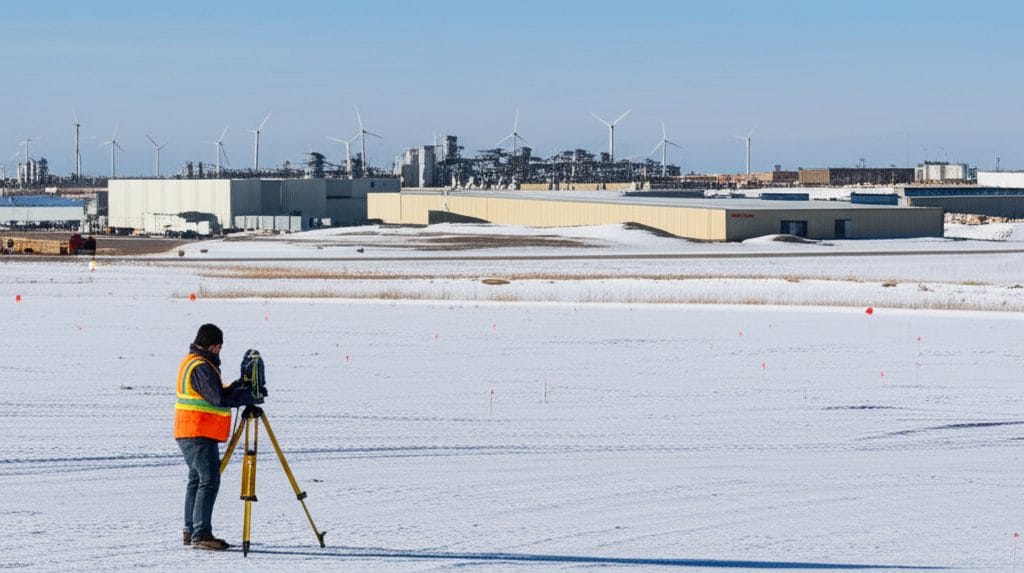
Are you considering investing in Calgary’s thriving industrial sector? As Calgary continues to grow, the demand for industrial land is surging, making 2025 a potentially lucrative year for buyers. This guide offers key insights to navigate Calgary’s industrial land market and make informed decisions.
Understanding Calgary’s Industrial Heartland
Calgary’s Industrial Heartland, while technically located outside the city limits near Edmonton, serves as a vital economic engine for the entire province, including Calgary. It’s crucial to understand its significance when evaluating industrial opportunities in the broader Calgary region. This area boasts a robust infrastructure and a concentration of industries like petrochemicals, manufacturing, and logistics.
The availability of industrial land in Calgary itself is becoming increasingly limited, pushing businesses to consider areas within the Heartland. Investing here often provides access to cost-effective resources and a skilled labor pool, creating a strategic advantage. Furthermore, proximity to major transportation routes enhances logistical efficiencies.
Consider these factors when evaluating investment opportunities:
- Accessibility to highways and transportation infrastructure
- Availability of utilities and services
- Zoning regulations and permitted uses
- Environmental considerations
Economic Drivers in the Heartland
Several factors are fueling the growth of Calgary’s Industrial Heartland, including:
- Alberta’s energy sector: The Heartland supports energy production and related industries.
- Manufacturing expansion: Companies are establishing facilities to serve Western Canada and beyond.
- Logistics and distribution: The area offers efficient access to major markets.
Understanding these drivers can help you identify sectors with high growth potential. For example, companies involved in renewable energy or sustainable manufacturing could find the Heartland particularly attractive.
Navigating the 2025 Industrial Land Market
The Calgary industrial land market in 2025 is shaped by several key trends. These include increasing demand, limited supply in certain areas, and fluctuating land prices. Staying informed about these trends is essential for making sound investment decisions.
Keep an eye on these key metrics:
- Vacancy rates: Lower vacancy rates typically indicate higher demand and potential for appreciation.
- Land prices per acre: Track how prices are changing in different areas of Calgary and the Heartland.
- Lease rates: Analyze lease rates to assess the potential income from industrial land investments.
Consult with real estate professionals who specialize in the industrial sector. They can provide valuable insights and guidance based on real-time market data. You can also find relevant information on the Calgary Real Estate Board’s website.
Timing is critical in real estate. Monitoring these trends closely helps you identify optimal entry points and avoid overpaying for industrial land.
Due Diligence: Key Considerations Before Buying
Before committing to a purchase, conduct thorough due diligence. This involves investigating various aspects of the industrial land, including its legal standing, environmental condition, and development potential. Failing to do so can lead to costly surprises down the road.
Essential due diligence steps include:
- Title search: Verify ownership and identify any liens or encumbrances.
- Environmental assessment: Assess the property for contamination and potential environmental liabilities.
- Zoning review: Ensure the intended use is permitted under current zoning regulations.
- Geotechnical investigation: Evaluate soil conditions and suitability for construction.
Engage qualified professionals, such as lawyers, environmental consultants, and engineers, to assist with the due diligence process. Their expertise can help you identify and mitigate potential risks. They can help ensure you are making a solid investment in industrial land.
Environmental Factors and Regulations
Alberta has strict environmental regulations that affect industrial land development. Understanding these regulations is crucial for avoiding costly delays and penalties. Factors to consider include:
- Soil and groundwater contamination
- Air quality regulations
- Waste management requirements
Consider consulting with an environmental expert to assess potential environmental risks and ensure compliance with applicable regulations. This proactive approach can save you significant time and money in the long run.
For assistance with Commercial properties, please visit commercial real estate listings.
Financing Your Industrial Land Purchase
Securing adequate financing is a critical step in acquiring industrial land. Explore various financing options, including traditional bank loans, private lenders, and government programs. The best option for you will depend on your financial situation and investment goals.
When seeking financing, be prepared to provide:
- A detailed business plan outlining your intended use of the land.
- Financial statements demonstrating your ability to repay the loan.
- A market analysis supporting the viability of your project.
- Environmental and geotechnical reports.
Building strong relationships with lenders is also key. Cultivate these relationships early to access favorable financing terms. Lenders often look for experience and a solid track record when evaluating loan applications for industrial land purchases.
Government Incentives and Programs
Explore government incentives and programs that can help reduce the cost of acquiring and developing industrial land. These programs may offer grants, tax credits, or loan guarantees. Research available options through provincial and federal government websites. Some programs are specifically designed to support businesses in the Calgary region.
Negotiating the Deal and Closing
Once you’ve found the ideal industrial land and secured financing, the next step is negotiating the purchase agreement. This involves reaching an agreement with the seller on price, terms, and conditions. It’s important to have a skilled real estate lawyer on your side during negotiations.
Key negotiation points include:
- Purchase price
- Closing date
- Contingencies (e.g., financing, environmental assessment)
- Representations and warranties
- Allocation of risk
After the purchase agreement is finalized, you’ll proceed to closing. This involves transferring ownership of the industrial land to you. Ensure all legal and financial requirements are met to avoid any delays or complications. A smooth closing process is essential for protecting your investment.
If you need some advice on investment properties, please check out our investment properties page.
Future Trends in Calgary’s Industrial Sector
Looking ahead, several trends are expected to shape Calgary’s industrial sector. These include increasing automation, the growth of e-commerce, and the rise of sustainable development. Understanding these trends is crucial for making long-term investment decisions in industrial land.
Consider these future trends:
- Demand for warehouse and distribution space: The growth of e-commerce is driving demand for logistics facilities.
- Adoption of advanced technologies: Automation and robotics are transforming industrial operations.
- Focus on sustainability: Companies are seeking eco-friendly industrial land and facilities.
Adapt your investment strategy to capitalize on these trends. For example, consider investing in industrial land that is well-suited for modern logistics facilities or sustainable manufacturing operations. Proactive planning can ensure your investment remains competitive in the long run.
In conclusion, investing in Calgary’s industrial land in 2025 presents significant opportunities for savvy investors. By understanding the market dynamics, conducting thorough due diligence, and securing adequate financing, you can make informed decisions and build a profitable portfolio.
For expert guidance on your next real estate investment or property purchase, visit patelsanket.ca or contact Sanket Patel today.