May 8, 2026 · Sanket Patel
Calgary Industrial Real Estate Investment Trends 2026
Calgary Industrial Real Estate Investment Trends 2026 Calgary industrial real estate investment 2026 is shaping up to be one of the most lucrative opportunities for local and out-of-province investors alike. As Alberta’s economy continues to diversify beyond oil and gas, industrial assets—warehousing, logistics f

- 2026
- Calgary
- estate:
- industrial
- investment
- real
- trends
- uncategorized
Calgary Industrial Real Estate Investment Trends 2026 is a practical Alberta briefing topic for buyers, owners, and operators comparing options in Calgary and nearby markets. It is educational context—not legal, tax, or investment advice—and should be paired with live listings and licensed professionals.
Key takeaways
- Read Calgary Industrial Real Estate Investment Trends 2026 as education, then verify current rules with the municipality and your lawyer before you act.
- Compare Calgary inventory and solds locally—citywide Alberta averages can mislead a single file.
- Use Properties and Businesses for live MLS® context, then tour shortlisted sites in real weather.
- Keep financing, inspection, and document conditions on a dated calendar; therefore missing a waiver deadline has consequences.
- Confirm program eligibility, permits, or lending terms on CMHC, City of Calgary, or Alberta.ca rather than relying on a blog date.
- Book a free consultation when you want file-specific strategy; nothing here guarantees price, timeline, or investment return.
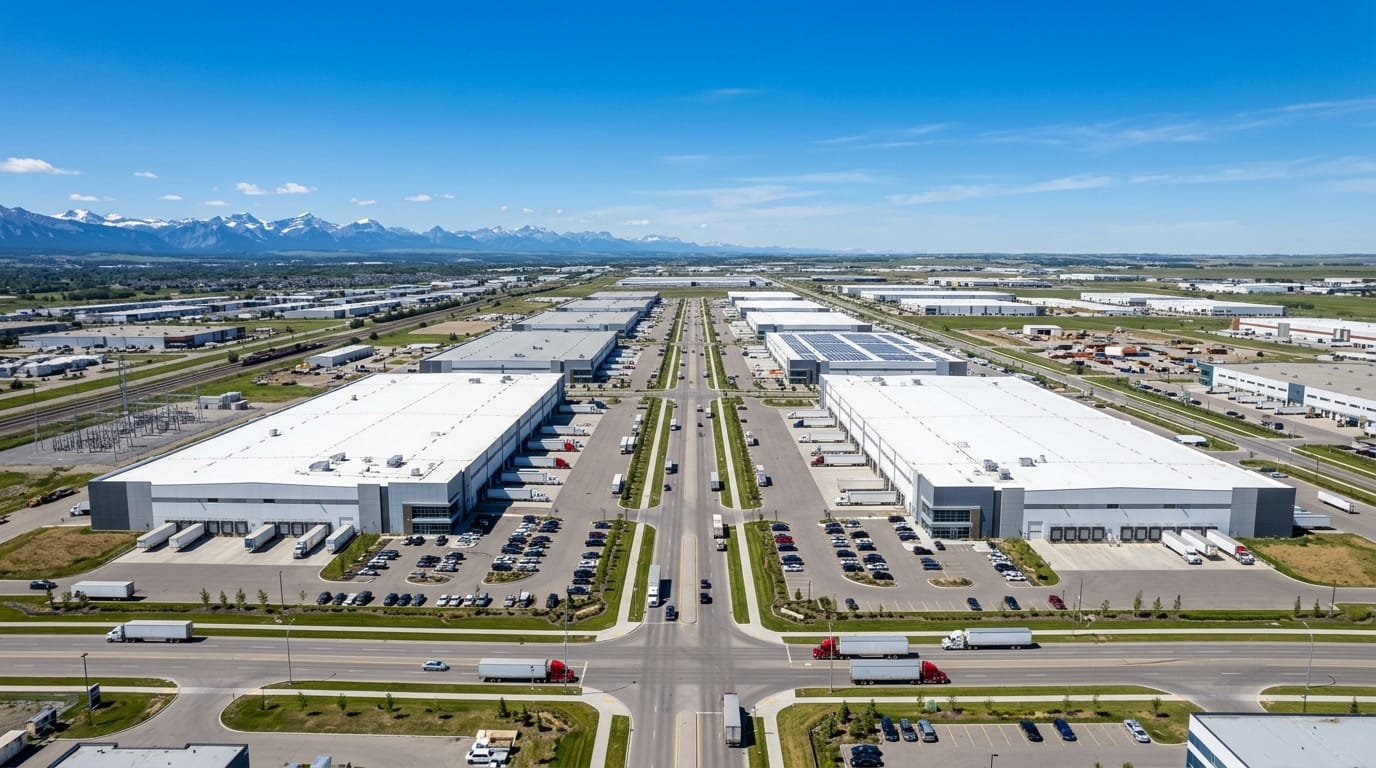
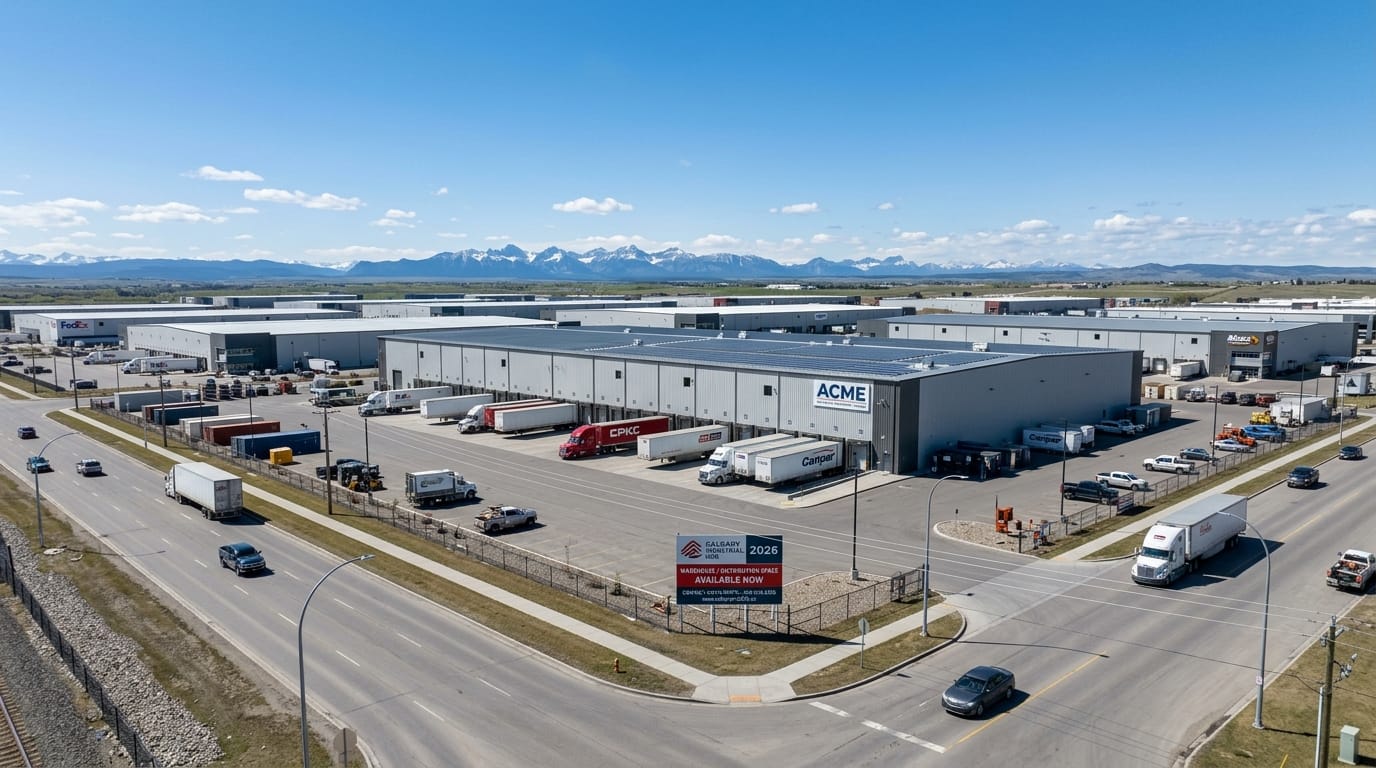
Calgary industrial real estate investment 2026 is shaping up to be one of the most lucrative opportunities for local and out-of-province investors alike. As Alberta’s economy continues to diversify beyond oil and gas, industrial assets—warehousing, logistics facilities, and flex space—are seeing unprecedented demand from e-commerce, advanced manufacturing, and clean energy sectors. This guide breaks down the latest 2026 data from the Calgary Real Estate Board and Statistics Canada to help you make informed investment decisions, whether you’re a first-time commercial buyer or a seasoned portfolio holder.
If you’re also interested in retail commercial assets, read our recent guide to Calgary retail strip mall leasing trends for 2026 here: https://www.patelsanket.ca/calgary-retail-strip-mall-leasing-trends-2026/. For a full breakdown of current Calgary commercial lease rates across all asset classes, visit our 2026 lease rate guide here: https://www.patelsanket.ca/calgary-commercial-lease-rates-2026/.
Why Calgary Industrial Real Estate Is Outperforming in 2026
Calgary’s industrial real estate market has outpaced both residential and other commercial asset classes for three consecutive quarters in 2026, according to Q1 data from the Calgary Real Estate Board (CREB). Several structural factors are driving this growth:
- Alberta’s Economic Diversification: The provincial government’s 2026 Economic Growth Strategy has allocated $4.2 billion to attract advanced manufacturing, agri-tech, and clean energy firms to Calgary, all of which require large-format industrial space. Statistics Canada reports that 18 new industrial users have relocated to Calgary in Q1 2026 alone, up 40% from the same period in 2025.
- E-Commerce Expansion: Major Canadian e-commerce retailers have announced three new fulfillment centers in Calgary in 2026, driven by the city’s central location for cross-Canada shipping and proximity to the US border. Average e-commerce industrial lease rates have risen 16% year-over-year to $21.75 per square foot, per CREB.
- Logistics Hub Advantage: Calgary’s access to CN Rail’s main western corridor and Calgary International Airport makes it a preferred location for third-party logistics providers. Industrial vacancy rates have dropped to 3.2% as of Q1 2026, the lowest in a decade, per Statistics Canada’s 2026 Commercial Real Estate Report: https://www.statcan.gc.ca/en/catalogue/21-006-X2026001.
- Rent Growth Outpacing Inflation: Industrial rents in Calgary rose 14% year-over-year in Q1 2026 to an average of $18.50 per square foot, outpacing national industrial rent growth of 9% and Alberta’s 2026 inflation rate of 2.1%.
Top 3 High-Growth Industrial Submarkets in Calgary
Not all Calgary industrial submarkets are performing equally. Focus your investment dollars on these three high-growth areas identified in CREB’s 2026 Industrial Market Report: https://www.creb.com/market-reports/industrial/2026-q1.
1. Southeast Calgary (Airport Vicinity)
This submarket, located within 10km of Calgary International Airport, is seeing the highest demand for logistics and fulfillment space. Vacancy rates here are 2.1%, the lowest in the city, with average lease rates of $20.25 per square foot. New developments include a 1.2 million square foot logistics park set to open in Q3 2026, pre-leased to 80% capacity by e-commerce tenants.
2. Northeast Calgary (Highway 2 Corridor)
The Northeast submarket is the hub for advanced manufacturing and clean energy industrial users, with direct access to Highway 2 for freight transport. Average lease rates here are $17.80 per square foot, with a 3.5% vacancy rate. Recent tenants include a $200 million solar panel manufacturing facility that will occupy 350,000 square feet starting in Q2 2026.
3. Rocky View County (Peripheral Industrial)
For investors looking for large-lot industrial assets (5+ acres), Rocky View County offers lower property tax rates and flexible zoning for agri-tech and clean energy users. Vacancy rates are 4.1%, with lease rates of $14.25 per square foot. A new 600-acre industrial park dedicated to clean energy firms broke ground in Q1 2026, with pre-lease commitments from two wind turbine manufacturers.

2026 Tax Incentives for Alberta Commercial Real Estate Investors
Alberta remains one of the most tax-friendly provinces for commercial real estate investors in 2026, with three key incentives:
- 8% Provincial Corporate Tax Rate: Alberta’s flat 8% corporate tax rate is the lowest in Canada, allowing investors to retain more net income from industrial property cash flows compared to provinces like BC (12%) or Ontario (11.5%).
- Federal Accelerated Investment Incentive: The 2026 federal budget extended the Accelerated Investment Incentive, allowing investors to claim 100% of the cost of eligible industrial property (including retrofits and new construction) as a first-year depreciation deduction, up from the standard 4% declining balance.
- Calgary Municipal Property Tax Abatements: The City of Calgary offers a 3-year property tax abatement for new industrial developments over 100,000 square feet that create 50+ full-time jobs, saving investors an average of $12,000 per year per property.
Common Pitfalls to Avoid in Industrial Property Investing
Even in a hot market, industrial real estate investing carries risks. Avoid these four common mistakes:
- Underestimating Retrofitting Costs: Older industrial properties (built pre-2010) often require upgrades to meet 2026 energy efficiency standards, which can cost $15-$25 per square foot. Always include a professional building inspection in your due diligence.
- Ignoring Tenant Mix: Properties with a mix of long-term (5+ year) leases and short-term (1-2 year) leases are more resilient to market downturns. Avoid properties with 80%+ short-term tenancy, which saw 22% higher vacancy rates during the 2025 market dip.
- Overlooking Maintenance Costs: Industrial properties have higher maintenance costs than office or retail assets, especially for large warehouse roofs (replacement costs average $10-$15 per square foot) and loading dock equipment.
- Skipping Local Market Expertise: Calgary’s industrial zoning and development rules are updated quarterly. Work with a local commercial realtor who understands current permitting timelines and incentive eligibility.
Actionable Takeaways for Calgary Industrial Investors
- Prioritize Southeast or Northeast Calgary submarkets for logistics or manufacturing assets in 2026.
- Leverage the federal Accelerated Investment Incentive to reduce your 2026 tax liability on new industrial purchases.
- Negotiate 3+ year lease terms with e-commerce or clean energy tenants to lock in stable cash flow.
- Partner with a Calgary commercial realtor to access off-market industrial listings not listed on public MLS.
Ready to explore Calgary industrial real estate investment opportunities? Contact Sanket Patel, your trusted Calgary commercial realtor, for a personalized investment consultation today.
Focus Keyword: Calgary industrial real estate investment 2026
Meta Description: Discover 2026 Calgary industrial real estate investment trends, top submarkets, tax incentives, and expert tips for local investors from a trusted Calgary commercial realtor.
Looking for the Best Real Estate Agent in Calgary?
Sanket Patel is a top-rated Calgary realtor serving Calgary and surrounding areas. Whether you’re buying, selling, or investing in commercial property, get local expertise that delivers results.
Call today: 403-918-7080 | Free Consultation
Calgary neighbourhood lens
Calgary’s quadrants—NE, NW, SE, SW—trade differently for commute, housing type, and price band. Start with the Calgary hub, then filter live listings and read quadrant guides before you tour.
Commercial diligence in Alberta
Commercial decisions require permitted use, occupancy cost, and parking or loading reality. Pair this article with commercial services and commercial search. Confirm zoning with the municipality and your lawyer—this is not legal advice.
Search live inventory
Use Properties for MLS® homes and commercial real estate and Businesses for operating companies. Enter an MLS® ID in keywords when you already have a listing number.
Area guides before photos
Read area guides to compare commute and lifestyle, then tour shortlisted streets in real weather. Guides are educational—not appraisals.
Offers and conditions in Alberta
Financing, inspection, and condo document conditions are common. Missing a waiver deadline has consequences—calendar every date with reminders.
When to talk with Sanket Patel
Book a free consultation when you want file-specific strategy: offer structure, listing prep, commercial shortlists, or confidential business conversations.
Winter and inspection priorities
Calgary-region freeze–thaw cycles stress roofs, grading, and furnaces. Inspections are visual—not warranties—prioritize water management and major systems.
No outcome guarantees
Market articles cannot promise a price, timeline, or investment return. Confirm numbers with licensed professionals for your transaction.
References: CMHC, City of Calgary, Alberta.ca, CREA. Listing and market comments are educational—not guaranteed.
When you evaluate Calgary Industrial Real Estate Investment Trends 2026, treat local labour, commute, and customer draw as file-specific facts rather than headline provincial averages. Drive the site at shift-change, ask what roles are hard to fill, and compare neighbouring corridors such as Airdrie, north Calgary, and Crossfield before you lock a price. Pair this reading with business listings, MLS® search, and a written condition list so financing, inspection, and document review have calendar dates. Municipal licensing, parking, and permitted use still sit with the town or city—confirm those items with the municipality and your lawyer. Nothing here guarantees a sale price, closing date, or investment return.
A practical next step on Calgary Industrial Real Estate Investment Trends 2026 is to build a one-page scorecard: occupancy cost, staff commute, competitor set, and remaining economic life of equipment or tenant improvements. Walk the loading, HVAC, and roof in winter light when you can. If the asset is an operating company, request trailing twelve-month statements under confidentiality and reconcile owner add-backs with a third-party accountant. Residential buyers can use the same discipline on neighbourhood solds versus list prices. Start with area guides and the buyer checklist, then book a consultation when you want offer structure reviewed against Alberta practice.
Financing conversations around Calgary Industrial Real Estate Investment Trends 2026 should separate the real estate from the operations. Lenders underwrite collateral, cash flow, and borrower strength differently for a shop, office, or home. CMHC and provincial programs change; verify current rules on CMHC and Alberta.ca rather than relying on a blog date. Keep a buffer for legal, inspection, and moving costs. Search live inventory on properties and services for how files are typically staffed. Educational commentary is not a mortgage pre-approval.
Labour and lifestyle still decide whether Calgary Industrial Real Estate Investment Trends 2026 works after closing. Staff who already live along the QEII, Stoney Trail, or a town main street have a different retention profile than a downtown Calgary commute. Visit at 7:30 a.m. and 5:00 p.m. Count parking. Ask about seasonal overtime. Home buyers should repeat the exercise for schools, groceries, and winter sidewalks. Compare Calgary with satellite communities, then shortlist streets—not just listings. Use Calgary properties as a baseline, not a substitute for the town you actually intend to occupy.
Due diligence on Calgary Industrial Real Estate Investment Trends 2026 should include insurance history, utility intensity, and any outstanding work orders. Ask for roof age, furnace service, and drainage photos after melt. Commercial and business files add lease abstracts, assignment consent, and employee transition notes. Keep conditions dated, and do not waive them because a competing offer looks loud. Review commercial or brokerage process pages, then speak with licensed professionals who can bind advice to your documents. This article remains general education for Alberta readers.
After you close a file connected to Calgary Industrial Real Estate Investment Trends 2026, the first ninety days are about measurement: actual labour hours, actual traffic, actual occupancy cost versus the worksheet you used in the offer. Residential owners watch utilities, snow, and neighbour patterns. Business owners watch payroll and supplier terms. If numbers diverge, revisit the assumption list with your accountant before you expand. For more inventory or a second location, return to businesses and properties. For a confidential conversation, use contact. No article can promise that your outcome will match a neighbour’s story.
Review item 1 for Calgary Industrial Real Estate Investment Trends 2026 focuses on staffing depth across morning and evening shifts. Write the question into your condition list, assign an owner, and keep the calendar visible. Drive the property at commute times, photograph drainage after melt, and keep copies of invoices that support the worksheet. Confirm details with licensed professionals; this paragraph is educational context for Calgary-region and Alberta readers using consultation, area guides, and listing search as next steps. Nothing in this note guarantees price, timeline, or investment return.
Review item 2 for Calgary Industrial Real Estate Investment Trends 2026 focuses on customer and staff parking at peak hours. Write the question into your condition list, assign an owner, and keep the calendar visible. Drive the property at commute times, photograph drainage after melt, and keep copies of invoices that support the worksheet. Confirm details with licensed professionals; this paragraph is educational context for Calgary-region and Alberta readers using consultation, area guides, and listing search as next steps. Nothing in this note guarantees price, timeline, or investment return.
Sources and verifiable context
For Calgary Industrial Real Estate Investment Trends 2026, treat municipal, provincial, and federal pages as the source of truth when rules change. Housing finance vocabulary and product education are published by CMHC; local planning and permit pathways are documented by the City of Calgary and peer Alberta municipalities.
In addition, consumer and business resources on Alberta.ca and REALTOR® / MLS® standards material from CREA help you verify process language. Moreover, listing remarks on this site are believed reliable but not guaranteed—confirm numbers with licensed professionals before you waive conditions or write an offer.
Frequently asked questions
What is Calgary Industrial Real Estate Investment Trends 2026?
Calgary Industrial Real Estate Investment Trends 2026 is educational Alberta market context for people comparing options in Calgary. It is not a substitute for legal, tax, or mortgage advice.
How should I use this article on Calgary?
Use it to prepare questions, then verify current rules with the municipality and your professionals. Pair it with live listings and, when relevant, business listings.
Where do I verify lending or housing program details?
Start with CMHC educational pages and your mortgage broker. Program rules change; do not rely on a single blog date.
Where do I verify municipal permits or planning steps?
Use the official municipal site (for Calgary, calgary.ca) and your lawyer. Peer towns publish their own permit pathways.
Does this page guarantee a price or investment return?
No. Educational articles cannot promise price, timeline, or returns. Outcomes depend on financing, diligence, and market conditions at the time of your file.
How do Alberta offer conditions usually work?
Financing, inspection, and condo document conditions are common. Therefore calendar every waiver date. Ask your REALTOR® and lawyer to explain deposit and registration timing.
Should I compare Calgary to neighbouring towns?
Yes. When inventory is thin, buyers often cross-shop nearby corridors. Compare commute, taxes, and local solds—not only citywide medians. See area guides.
When should I talk with Sanket Patel?
Book a free consultation when you want offer structure, listing prep, commercial shortlists, or a confidential business conversation. First conversations are obligation-free.