
[META]: Explore Strathmore last-mile delivery hub trends for 2026. Discover how these hubs are impacting suburban land demand in Strathmore.
As e-commerce continues its relentless growth, the demand for efficient distribution networks closer to consumers has never been higher. This shift is particularly impacting suburban markets, and Strathmore is no exception. Understanding Strathmore last-mile delivery hub trends 2026 is crucial for investors, developers, and businesses looking to capitalize on evolving commercial real estate opportunities in the region. These hubs, strategically located to minimize delivery times and costs, are becoming a dominant force in shaping land use and property values. We’ll delve into what these trends mean for Strathmore’s commercial landscape.
The Rise of Last-Mile Delivery Hubs in Strathmore
The concept of a “last-mile delivery hub” is transforming urban and suburban logistics. These facilities act as crucial intermediate points between larger distribution centres and the end consumer, significantly reducing the distance and time required for final delivery. In Strathmore, the increasing population and a growing desire for faster online order fulfillment are the primary drivers behind this trend. As more Albertans embrace online shopping, the need for localized distribution points becomes paramount. Strathmore, with its strategic position near Calgary and its own expanding residential areas, is an ideal candidate for such developments.
Defining the Last-Mile Hub
At its core, a last-mile delivery hub is a strategically situated facility designed for the efficient sorting, consolidation, and dispatch of goods for their final leg of delivery. This could range from small, urban storefronts repurposed for sorting to larger, dedicated industrial spaces on the outskirts of town. Their proximity to residential neighbourhoods is key. For businesses, this means reduced fuel costs, faster delivery times, and potentially higher customer satisfaction. The focus is on agility and speed, making traditional, distant warehouses less effective for this specific purpose.
Drivers of Demand in Strathmore
Several factors are accelerating the adoption of last-mile delivery hubs in Strathmore. Firstly, the burgeoning e-commerce market, amplified by recent global events, has permanently altered consumer buying habits. Secondly, the desire for same-day or next-day delivery is now a standard expectation for many consumers, pushing companies to optimize their supply chains. Strathmore’s growing population, coupled with its commuter relationship to Calgary, makes it a prime location for businesses seeking to serve this expanding demographic efficiently. The cost of land and labour in Strathmore can also offer an advantage compared to more densely populated urban cores, making it an attractive option for establishing these vital hubs.
Impact on Strathmore Commercial Land Demand
The emergence of last-mile delivery hubs is having a profound and tangible effect on commercial land demand within Strathmore. Historically, industrial land was often relegated to the fringes of municipalities. However, the strategic placement required for these new hubs is creating demand in a wider array of locations, including areas previously considered peri-urban or even on the edge of commercial zones. This is leading to increased competition for suitable parcels and driving up land values in targeted areas. Investors and developers need to closely monitor these shifts to identify emerging opportunities and navigate the evolving market.
Shifting Land Use Preferences
Traditionally, industrial parks on the outskirts of cities like Strathmore were the primary locations for logistics operations. However, the operational needs of last-mile hubs often favour sites that offer better access to main transportation routes while still being within a reasonable radius of the end consumer. This can translate to a demand for smaller, more adaptable land parcels that might have previously been overlooked for large-scale industrial development. We are seeing a trend towards infill opportunities or brownfield redevelopment within or closer to Strathmore’s established commercial areas, provided zoning allows for such uses.
Increased Land Values and Investment
As businesses recognize the strategic advantage of establishing a Strathmore last-mile delivery hub, the demand for appropriately zoned and located land intensifies. This heightened demand naturally leads to increased land values. For property owners and investors, this presents a significant opportunity. Identifying land parcels that meet the criteria for such facilities – accessibility, sufficient size for operations, and proximity to residential zones – can yield substantial returns. The influx of investment into these types of properties is a clear indicator of their future importance in Strathmore’s economic landscape.
Emerging Strathmore Last-Mile Delivery Hub Trends for 2026
Looking ahead to 2026, several key Strathmore last-mile delivery hub trends are poised to shape the commercial real estate market. We anticipate a continued focus on technological integration, a diversification of hub types, and an increasing emphasis on sustainable operations. Businesses are investing heavily in making their last-mile operations as seamless and cost-effective as possible, and this will directly influence the type of properties they seek in Strathmore. Understanding these forward-looking trends is vital for anyone involved in commercial real estate or business operations in the region.
Technological Integration and Automation
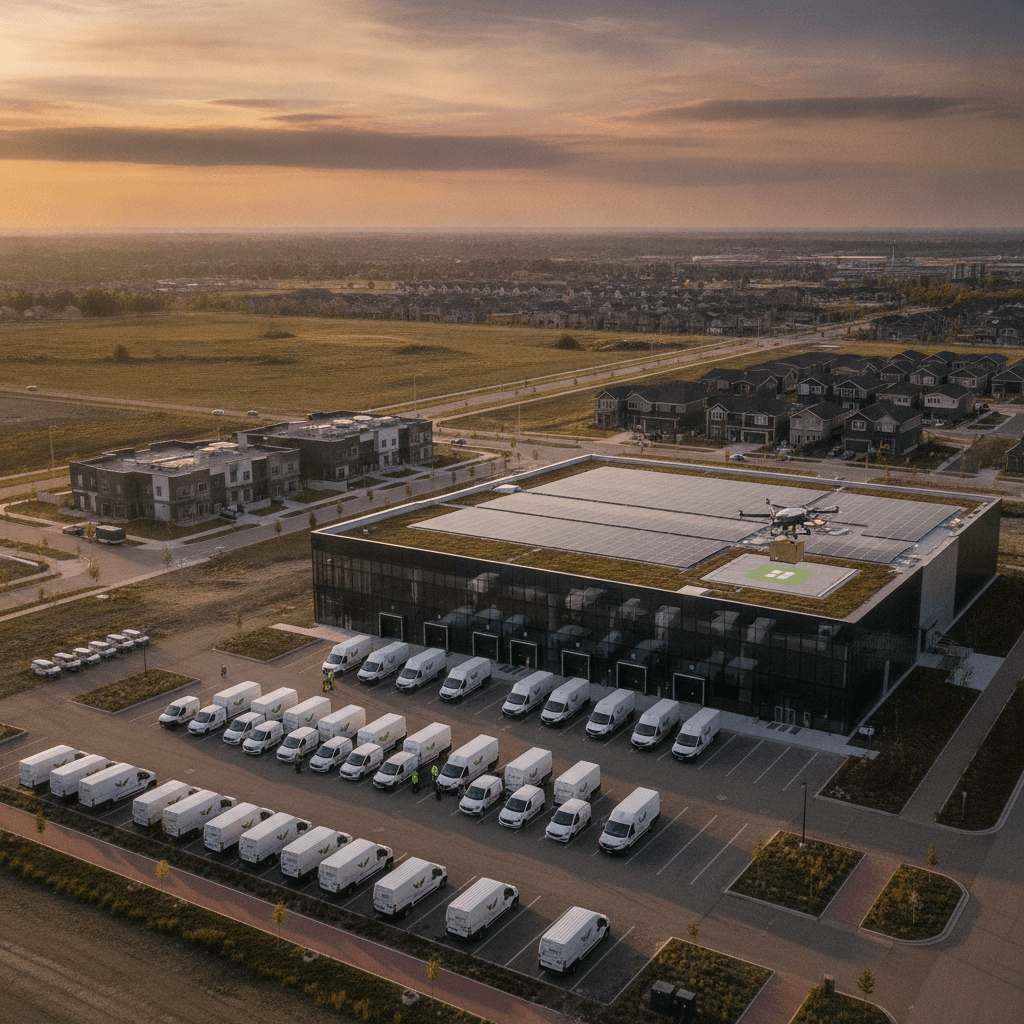
The next wave of last-mile delivery hubs will be characterized by a significant integration of technology and automation. This includes advanced warehouse management systems (WMS) for optimized sorting and routing, the potential use of autonomous vehicles for certain delivery routes, and even drone delivery systems for high-priority items in specific areas. For Strathmore, this means that the design and infrastructure of new hubs will need to accommodate these technological advancements. Property developers will need to consider power requirements, data connectivity, and physical layouts that support robotic operations and efficient movement of goods.
Diversification of Hub Formats
Not all last-mile delivery hubs will be large, dedicated industrial buildings. We will likely see a diversification of formats to suit various needs and urban footprints. This could include micro-fulfillment centres located within existing retail spaces, repurposed smaller industrial units, or even shared logistics platforms where multiple companies can operate. This flexibility allows for more creative use of existing commercial real estate stock in Strathmore and can open up opportunities in areas that might not have previously been considered for logistics. The key is adaptability and responsiveness to delivery demands.
Sustainability and Green Logistics
As environmental consciousness grows, so does the pressure for sustainable logistics operations. In Strathmore, this translates to an increasing demand for last-mile delivery hubs that incorporate green building principles. This includes energy-efficient designs, solar panel installations, electric vehicle charging infrastructure, and optimized routing to minimize fuel consumption. Businesses are recognizing that sustainability is not just an ethical consideration but also a brand differentiator and a potential cost-saver in the long run. Developers who can offer facilities with strong sustainability credentials will likely gain a competitive edge in the 2026 market.
Navigating Zoning and Development in Strathmore
Successfully establishing a last-mile delivery hub in Strathmore requires a thorough understanding of local zoning bylaws and development regulations. The unique operational needs of these facilities can sometimes clash with traditional land use designations, necessitating careful planning and potentially engaging with municipal authorities. Developers and businesses must be proactive in assessing how their proposed operations align with Strathmore’s existing framework and what approvals might be required.
Understanding Strathmore’s Zoning Bylaws
Strathmore’s municipal planning documents will dictate where industrial, commercial, and logistics facilities can be located. Last-mile delivery hubs often require a blend of accessibility and proximity to residential zones, which can sometimes create zoning challenges. It is crucial to identify parcels that are zoned for industrial use, light industrial, or potentially specific commercial zones that allow for warehousing and distribution. Early engagement with Strathmore’s planning department is essential to confirm zoning compliance and understand any specific restrictions or requirements related to noise, traffic, or operating hours.
The Development Application Process
Beyond zoning, the development application process in Strathmore involves several steps. This can include site plan approvals, building permits, and potentially development permits depending on the scope of the project. For businesses looking to lease space, understanding the landlord’s responsibilities for obtaining permits and any potential tenant improvement allowances for adapting a space to suit hub operations is important. For those looking to purchase land and build, a comprehensive understanding of the entire development lifecycle, from initial design to final occupancy, is critical for a successful outcome.
Opportunities for Investors and Businesses
The growing trend of last-mile delivery hubs presents significant opportunities for both commercial real estate investors and businesses looking to enhance their distribution capabilities in Strathmore. The demand for strategically located, efficient facilities is projected to remain strong, offering lucrative prospects for those who can identify and act on these emerging needs. The key is to understand the evolving requirements and to position oneself to meet them.
Investment Potential in Logistics Properties
For commercial real estate investors, focusing on properties suitable for last-mile delivery hubs in Strathmore can be a strategic move. This includes acquiring vacant land in well-connected areas, developing new industrial or logistics facilities, or even acquiring and repurposing underutilized commercial buildings. The sustained growth of e-commerce suggests that demand for these specialized properties will continue to be robust. Analyzing market vacancy rates, rental rates, and future development pipelines will be crucial for identifying the most promising investment opportunities.
Leasing and Operational Advantages
For businesses, securing a location that facilitates efficient last-mile delivery can provide a significant competitive advantage. Leases for suitable properties will likely be in high demand, so being prepared to move quickly is important. Considerations should include the lease terms, the landlord’s willingness to accommodate specific operational needs, and the overall cost-effectiveness of the location in terms of transportation and labour. Establishing a Strathmore last-mile delivery hub can lead to reduced operational costs and improved customer service metrics, directly impacting the bottom line.
The landscape of commercial real estate in Strathmore is continually evolving, with Strathmore last-mile delivery hub trends 2026 pointing towards a future driven by efficiency and proximity. As e-commerce solidifies its place in consumer behaviour, the strategic importance of these localized distribution points will only grow. Understanding these shifts allows for informed decisions, whether you are an investor seeking prime opportunities or a business aiming to optimize its supply chain. The demand for agile, well-located logistics facilities in Strathmore is clear, and those who can adapt to these trends will be best positioned for success in the coming years.
For a personalized real estate consultation or to discuss your next property move, visit patelsanket.ca