August 6, 2026 · Sanket Patel
What to Budget For: Detailed Cost Analysis of Purchasing a Crossfield Retail Boutique in 2026
Unpack the 2026 Crossfield retail boutique purchase cost breakdown. Budget for everything from down payments to operational setup.
- 2026
- analysis
- boutique:
- budget
- cost
- crossfield
- detailed
- for
- purchasing
- retail
- uncategorized
- what
What to Budget For: Detailed Cost Analysis of Purchasing a Crossfield Retail Boutique in 2026 is the focus of this Alberta briefing for buyers, owners, and operators comparing Calgary-region options.
Key takeaways
- Read Alberta commercial real estate diligence as education, then verify current rules with the municipality and your lawyer before you act.
- Compare Crossfield inventory and solds locally—citywide Alberta averages can mislead a single file.
- Use Properties and Businesses for live MLS® context, then tour shortlisted sites in real weather.
- Keep financing, inspection, and document conditions on a dated calendar; therefore missing a waiver deadline has consequences.
- Confirm program eligibility, permits, or lending terms on CMHC, City of Calgary, or Alberta.ca rather than relying on a blog date.
- Book a free consultation when you want file-specific strategy; nothing here guarantees price, timeline, or investment return.
When contemplating the acquisition of a Crossfield retail boutique purchase cost breakdown 2026, understanding the full spectrum of expenses is paramount. Many aspiring entrepreneurs focus solely on the purchase price of the business, overlooking critical ancillary costs that can significantly impact their initial investment and ongoing financial health. This comprehensive guide will delve into the intricate details, offering a realistic financial roadmap for those looking to buy a retail boutique in Crossfield in the coming year. From initial due diligence to the grand opening, we’ll cover every conceivable expense category to ensure you are well-prepared.
Initial Acquisition Expenses: Beyond the Sticker Price
The most obvious component of a Crossfield retail boutique purchase cost breakdown 2026 is the business’s asking price. However, this figure is merely the tip of the iceberg. You must factor in acquisition-related fees that are often negotiated as part of the deal or are direct outlays. These can include legal fees for drafting and reviewing purchase agreements, business valuation reports if you’re obtaining financing, and potentially broker commissions, though often the seller covers these. If you’re seeking financing, loan origination fees and appraisal costs will also add to this initial outlay. For businesses requiring specialized equipment or inventory that isn’t being fully transferred at an agreed-upon value, you might need to budget for initial purchases or upgrades. Understanding the terms of the seller financing, if applicable, is also crucial, as it dictates payment schedules and interest rates, impacting your immediate cash flow needs.
Due Diligence Costs
Before finalizing any deal, thorough due diligence is non-negotiable. This phase involves verifying financial records, assessing market position, and understanding operational viability. Costs here can include hiring accountants to audit financial statements, legal counsel to review contracts and leases, and potentially hiring consultants for specific industry insights relevant to a Crossfield market. Investigating zoning regulations and any permits required for operating a retail boutique in Crossfield is also a necessary step. The expense of these investigations is an investment in preventing much larger financial missteps down the line. A comprehensive understanding of the business’s true financial health and operational capacity is vital.
Financing Fees
If you’re not paying cash, securing financing will introduce its own set of costs. Banks and lenders will charge fees for processing your loan application, conducting appraisals of the business and any associated real estate, and legal review of loan documents. These fees can range from a few hundred to several thousand dollars, depending on the loan amount and the lender’s policies. Understanding these fees upfront is part of creating an accurate Crossfield retail boutique purchase cost breakdown 2026.
Setup and Operational Startup Costs
Once the acquisition is finalized, the real work of setting up and launching your new retail venture begins. This phase is often underestimated but is critical for a smooth transition and successful operation. These costs are directly related to getting your boutique ready to welcome customers and begin generating revenue in Crossfield.
Inventory and Fixtures
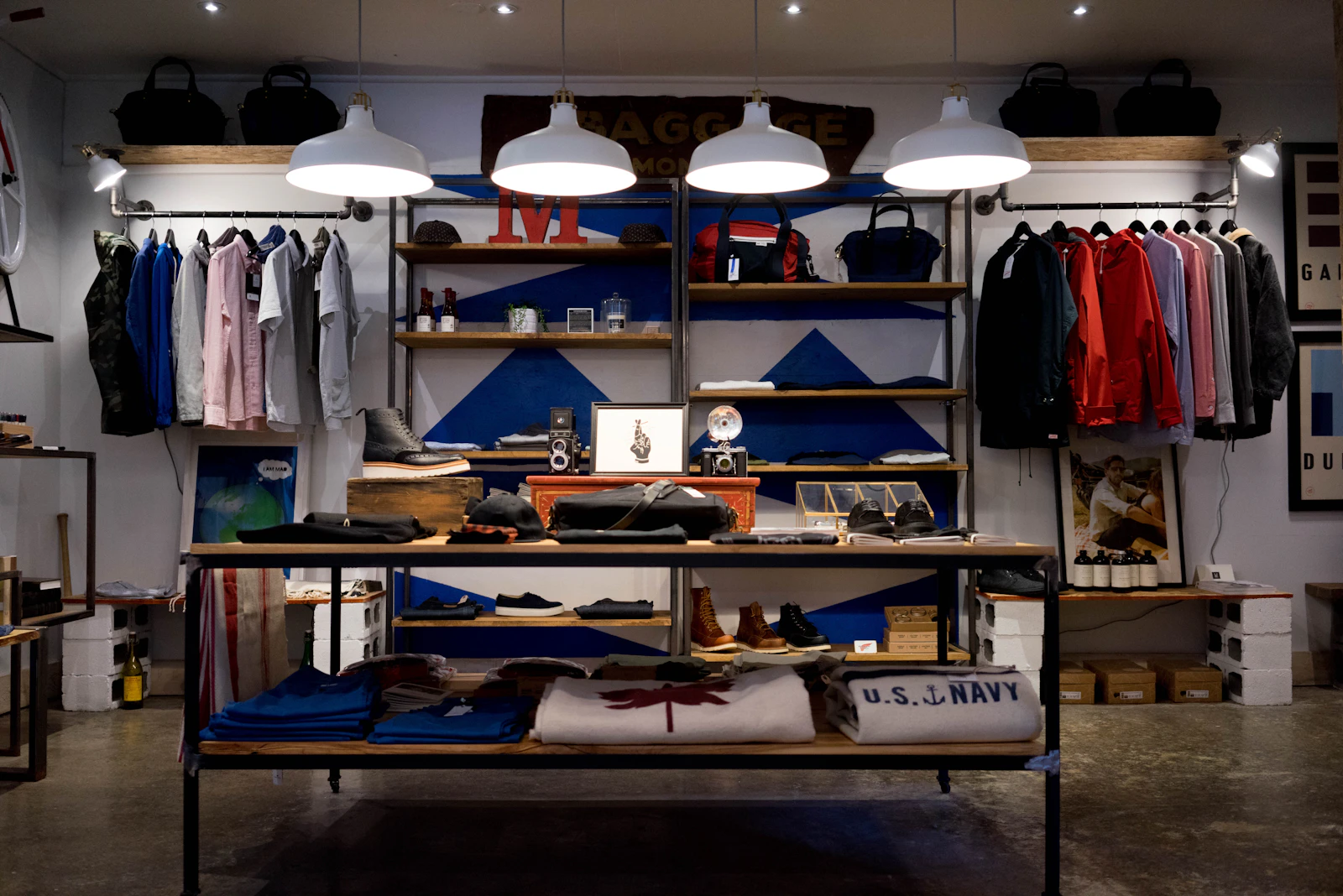
A retail boutique’s core offering is its merchandise. You’ll need to budget for initial inventory purchases that align with your brand vision and the demands of the Crossfield customer base. This includes not only the products themselves but also the cost of transporting them to your location. Beyond inventory, the physical space requires outfitting. This includes display shelves, racks, mannequins, a point-of-sale (POS) system, security cameras, and any specialized display cases. The aesthetic of your boutique is also important, so consider costs for minor renovations, painting, or decorative elements that enhance the customer experience.
Technology and POS Systems
In today’s retail environment, a robust technology infrastructure is essential. This includes a reliable point-of-sale (POS) system that can handle sales transactions, inventory management, and customer data. You’ll also need computers, printers, and internet service. Don’t forget about software licenses for accounting, marketing, or customer relationship management (CRM) tools. The initial setup and installation of these systems can incur costs, and ongoing subscription fees are a regular operational expense to consider in your Crossfield retail boutique purchase cost breakdown 2026.
Marketing and Branding
Launching a new business, even an established one under new ownership, requires a marketing push. Budget for creating a new brand identity or refreshing the existing one. This might include designing a new logo, updating signage, printing business cards and flyers, and developing a website or social media presence. Initial advertising campaigns, whether online or through local Crossfield media, will also be necessary to announce your arrival and attract your first wave of customers. Consider the cost of a grand opening event to generate buzz.
Ongoing Operating Expenses: The First Year’s Reality
The acquisition and setup are just the beginning. To maintain a successful business, you must have a clear understanding of the recurring costs involved in keeping the doors open and the lights on in your Crossfield location. A realistic Crossfield retail boutique purchase cost breakdown 2026 must account for these essential operational expenditures for at least the first year.

Rent and Utilities
If you are leasing the retail space, rent will be a significant monthly expense. This includes not only the base rent but also any additional costs associated with your lease, such as common area maintenance (CAM) fees or property taxes, depending on the lease structure (e.g., triple net leases). Beyond rent, you’ll need to budget for utilities: electricity, gas, water, and waste removal. Internet and phone services are also critical for business operations. The specific costs for utilities in Crossfield can vary, so it’s wise to inquire about historical usage from the current or previous tenants.
Staffing and Payroll
Unless you plan to run the boutique entirely on your own, you’ll need to hire staff. This includes salaries or wages, payroll taxes, and potentially benefits. Even if you’re starting with just one part-time employee, these costs accumulate quickly. Remember to factor in the cost of training new employees and any potential HR-related expenses. Accurate forecasting of staffing needs based on anticipated customer traffic in Crossfield is key to managing this expense effectively.
Insurance and Licenses
Operating a business legally and safely requires various types of insurance. General liability insurance is crucial to protect against accidents and injuries. You may also need product liability insurance, depending on the items you sell, and commercial property insurance to cover damage to your inventory and fixtures. Furthermore, ensure you have workers’ compensation insurance if you have employees. Staying compliant also means obtaining and renewing necessary business licenses and permits from the municipality of Crossfield and potentially provincial authorities, which incur annual fees.
Contingency and Working Capital
A critical, yet often overlooked, component of any Crossfield retail boutique purchase cost breakdown 2026 is the need for a contingency fund and sufficient working capital. Unexpected issues inevitably arise, and having reserves can mean the difference between weathering a storm and facing a crisis.
Emergency Fund
Unexpected repairs to equipment, a sudden dip in sales, or unforeseen legal issues can all drain your resources. It’s prudent to set aside a portion of your initial investment as an emergency fund. Aim for at least 3–6 months of operating expenses to cover unforeseen circumstances and provide a cushion during slower periods. This fund acts as a safety net, allowing your business to absorb shocks without immediate financial distress.
Working Capital
Working capital refers to the funds available to meet short-term obligations. For a retail boutique, this means having enough cash on hand to pay suppliers, cover payroll, and manage other day-to-day expenses before revenue from sales is consistently sufficient. A common recommendation is to have enough working capital to cover at least 3–6 months of operational costs. This ensures you can maintain smooth operations, pay your bills on time, and potentially take advantage of opportunities, even if immediate cash flow is tight in the initial months of operation in Crossfield.
For a personalized real estate consultation or to discuss your next property move, visit patelsanket.ca
Commercial diligence in Alberta
Commercial decisions require permitted use, occupancy cost, and parking or loading reality. Pair this article with commercial services and commercial search. Confirm zoning with the municipality and your lawyer—this is not legal advice.
Search live inventory
Use Properties for MLS® homes and commercial real estate and Businesses for operating companies. Enter an MLS® ID in keywords when you already have a listing number.
Area guides before photos
Read area guides to compare commute and lifestyle, then tour shortlisted streets in real weather. Guides are educational—not appraisals.
Offers and conditions in Alberta
Financing, inspection, and condo document conditions are common. Missing a waiver deadline has consequences—calendar every date with reminders.
When to talk with Sanket Patel
Book a free consultation when you want file-specific strategy: offer structure, listing prep, commercial shortlists, or confidential business conversations.
Winter and inspection priorities
Calgary-region freeze–thaw cycles stress roofs, grading, and furnaces. Inspections are visual—not warranties—prioritize water management and major systems.
No outcome guarantees
Market articles cannot promise a price, timeline, or investment return. Confirm numbers with licensed professionals for your transaction.
References: CMHC, City of Calgary, Alberta.ca, CREA. Listing and market comments are educational—not guaranteed.
When you evaluate What to Budget For: Detailed Cost Analysis of Purchasing a Crossfield Retail Boutique in 2026, treat local labour, commute, and customer draw as file-specific facts rather than headline provincial averages. Drive the site at shift-change, ask what roles are hard to fill, and compare neighbouring corridors such as Airdrie, north Calgary, and Crossfield before you lock a price. Pair this reading with business listings, MLS® search, and a written condition list so financing, inspection, and document review have calendar dates. Municipal licensing, parking, and permitted use still sit with the town or city—confirm those items with the municipality and your lawyer. Nothing here guarantees a sale price, closing date, or investment return.
A practical next step on What to Budget For: Detailed Cost Analysis of Purchasing a Crossfield Retail Boutique in 2026 is to build a one-page scorecard: occupancy cost, staff commute, competitor set, and remaining economic life of equipment or tenant improvements. Walk the loading, HVAC, and roof in winter light when you can. If the asset is an operating company, request trailing twelve-month statements under confidentiality and reconcile owner add-backs with a third-party accountant. Residential buyers can use the same discipline on neighbourhood solds versus list prices. Start with area guides and the buyer checklist, then book a consultation when you want offer structure reviewed against Alberta practice.
Financing conversations around What to Budget For: Detailed Cost Analysis of Purchasing a Crossfield Retail Boutique in 2026 should separate the real estate from the operations. Lenders underwrite collateral, cash flow, and borrower strength differently for a shop, office, or home. CMHC and provincial programs change; verify current rules on CMHC and Alberta.ca rather than relying on a blog date. Keep a buffer for legal, inspection, and moving costs. Search live inventory on properties and services for how files are typically staffed. Educational commentary is not a mortgage pre-approval.
Labour and lifestyle still decide whether What to Budget For: Detailed Cost Analysis of Purchasing a Crossfield Retail Boutique in 2026 works after closing. Staff who already live along the QEII, Stoney Trail, or a town main street have a different retention profile than a downtown Calgary commute. Visit at 7:30 a.m. and 5:00 p.m. Count parking. Ask about seasonal overtime. Home buyers should repeat the exercise for schools, groceries, and winter sidewalks. Compare Calgary with satellite communities, then shortlist streets—not just listings. Use Calgary properties as a baseline, not a substitute for the town you actually intend to occupy.
Due diligence on What to Budget For: Detailed Cost Analysis of Purchasing a Crossfield Retail Boutique in 2026 should include insurance history, utility intensity, and any outstanding work orders. Ask for roof age, furnace service, and drainage photos after melt. Commercial and business files add lease abstracts, assignment consent, and employee transition notes. Keep conditions dated, and do not waive them because a competing offer looks loud. Review commercial or brokerage process pages, then speak with licensed professionals who can bind advice to your documents. This article remains general education for Alberta readers.
Sources and verifiable context
For Alberta commercial real estate diligence, treat municipal, provincial, and federal pages as the source of truth when rules change. Housing finance vocabulary and product education are published by CMHC; local planning and permit pathways are documented by the City of Calgary and peer Alberta municipalities.
In addition, consumer and business resources on Alberta.ca and REALTOR® / MLS® standards material from CREA help you verify process language. Moreover, listing remarks on this site are believed reliable but not guaranteed—confirm numbers with licensed professionals before you waive conditions or write an offer.
Frequently asked questions
What is Alberta commercial real estate diligence?
Alberta commercial real estate diligence is educational Alberta market context for people comparing options in Crossfield. It is not a substitute for legal, tax, or mortgage advice.
How should I use this article on Crossfield?
Use it to prepare questions, then verify current rules with the municipality and your professionals. Pair it with live listings and, when relevant, business listings.
Where do I verify lending or housing program details?
Start with CMHC educational pages and your mortgage broker. Program rules change; do not rely on a single blog date.
Where do I verify municipal permits or planning steps?
Use the official municipal site (for Calgary, calgary.ca) and your lawyer. Peer towns publish their own permit pathways.
Does this page guarantee a price or investment return?
No. Educational articles cannot promise price, timeline, or returns. Outcomes depend on financing, diligence, and market conditions at the time of your file.
How do Alberta offer conditions usually work?
Financing, inspection, and condo document conditions are common. Therefore calendar every waiver date. Ask your REALTOR® and lawyer to explain deposit and registration timing.
Should I compare Crossfield to neighbouring towns?
Yes. When inventory is thin, buyers often cross-shop nearby corridors. Compare commute, taxes, and local solds—not only citywide medians. See area guides.
When should I talk with Sanket Patel?
Book a free consultation when you want offer structure, listing prep, commercial shortlists, or a confidential business conversation. First conversations are obligation-free.