

Author: softyoug

  • Calgary’s Real Estate Rollercoaster: Are We Headed Up, Down, or Sideways?

    Calgary’s Real Estate Rollercoaster: Are We Headed Up, Down, or Sideways?

    Is Calgary’s real estate market a goldmine, a minefield, or somewhere in between? Navigating the fluctuating landscape of Calgary real estate requires sharp insights and strategic planning. Whether you’re a seasoned investor or a first-time homebuyer, understanding the current trends is crucial to making informed decisions in Calgary.

    Decoding Calgary Real Estate Trends: The Big Picture

    Calgary’s real estate market has been a topic of much discussion, characterized by periods of rapid growth and moments of cautious adjustment. Recent data indicates a complex interplay of factors influencing property values, including interest rates, migration patterns, and economic diversification.

    Inventory levels play a significant role in determining market dynamics. A shortage of available properties tends to drive prices upward, creating a seller’s market. Conversely, an oversupply can lead to price reductions and increased negotiating power for buyers. Understanding these fluctuations is key to timing your entry or exit from the market effectively.

    Economic factors, such as the performance of the energy sector and the overall job market in Alberta, also significantly influence the real estate sector. Strong economic growth typically translates to increased demand for housing, while economic downturns can have the opposite effect.

    Interest Rate Impacts on Calgary Homebuyers

    Interest rate fluctuations are a major factor influencing affordability and demand in the housing market. Higher interest rates increase the cost of borrowing, making it more challenging for potential buyers to qualify for mortgages. This can lead to a cooling effect on the market, reducing buyer enthusiasm and potentially putting downward pressure on prices.

    Conversely, lower interest rates can stimulate demand by making homeownership more accessible. This often results in increased buyer competition and potentially higher property values. Keeping a close eye on interest rate trends is essential for both buyers and sellers seeking to make informed decisions.

    For personalized advice on navigating interest rate impacts, consider reaching out to a mortgage broker or financial advisor who specializes in Calgary real estate.

    Calgary Neighbourhood Hotspots: Where is the Action?

    Calgary boasts a diverse range of neighborhoods, each with its own unique character and appeal. Some areas are experiencing higher demand and price appreciation than others, making them particularly attractive to investors and homebuyers.

    Inner-city communities, such as Bridgeland, Kensington, and Inglewood, continue to be highly sought-after due to their proximity to downtown, vibrant cultural scenes, and an array of amenities. These neighborhoods offer a mix of historic charm and modern development, attracting a diverse demographic.

    Suburban communities, like Seton in the Southeast and Evanston in the Northwest, are also gaining popularity due to their family-friendly environments, access to parks and green spaces, and more affordable housing options. These areas often offer a greater sense of community and a quieter lifestyle.

    • Bridgeland: Known for its trendy restaurants and cafes.
    • Kensington: Features boutique shops and a lively atmosphere.
    • Inglewood: Offers historic charm and a thriving arts scene.
    • Seton: A modern community with abundant amenities and green spaces.
    • Evanston: A family-friendly neighborhood with a strong sense of community.

    Considering these location-specific factors can significantly impact your real estate investment strategy. If you’re considering commercial opportunities in Calgary, browse our commercial real estate listings for the latest available properties.

    Buying Strategies in Today’s Calgary Market

    Navigating the Calgary real estate market as a buyer requires a strategic approach. Understanding the current market conditions and adapting your tactics accordingly can significantly improve your chances of success. Whether it’s a buyer’s or seller’s market, careful planning and informed decision-making are essential.

    Getting pre-approved for a mortgage is a crucial first step. This allows you to determine your budget and demonstrate to sellers that you are a serious and qualified buyer. It also gives you a competitive edge in a multiple-offer situation.

    Working with an experienced real estate agent who has a deep understanding of the local market is invaluable. A knowledgeable agent can provide insights into neighborhood trends, property values, and negotiation strategies.

    Be prepared to act quickly when you find a property that meets your needs. In a competitive market, desirable homes can sell quickly, so it’s important to be ready to make an offer promptly.

    Negotiation Tactics for Calgary Buyers

    Negotiation is a key aspect of the home-buying process. Understanding effective negotiation strategies can help you secure a favorable deal. Research comparable sales in the area to determine a fair market value for the property.

    Consider including contingencies in your offer to protect your interests. Common contingencies include home inspections, financing approval, and appraisal clauses. Be prepared to walk away from a deal if the inspection reveals significant issues or if the property doesn’t appraise for the agreed-upon price.

    In a seller’s market, you may need to be flexible with your offer, such as offering a higher price or reducing the number of contingencies. However, it’s important to remain within your budget and avoid making emotional decisions.

    If you’re interested in investing, explore our investment property listings for opportunities in Calgary.

    Selling Strategies: Maximizing Your Return in Calgary

    Selling your home in Calgary requires a well-thought-out strategy to attract buyers and maximize your return on investment. The right approach can make a significant difference in the speed and success of your sale.

    Preparing your home for sale is crucial. This includes decluttering, cleaning, and making necessary repairs. First impressions matter, so ensure your home is presented in its best possible light.

    Pricing your home correctly is essential. Overpricing can deter potential buyers, while underpricing can leave money on the table. Work with your real estate agent to determine a competitive and realistic price based on market conditions and comparable sales.

    Marketing your property effectively is key to reaching a wide audience of potential buyers. This includes professional photography, virtual tours, and online listings on popular real estate websites. Consider taking advantage of social media and other digital marketing channels to promote your listing.

    Staging Your Calgary Home for Success

    Staging your home can significantly enhance its appeal to potential buyers. Staging involves arranging furniture and decor to create a welcoming and inviting atmosphere. A well-staged home can help buyers envision themselves living in the space.

    Focus on creating a neutral and uncluttered environment. Remove personal items and excess furniture to make the space feel larger and more open. Consider hiring a professional stager for expert advice and assistance.

    Pay attention to details, such as fresh paint, updated lighting fixtures, and attractive landscaping. These small touches can make a big difference in the overall impression of your home.

    According to Calgary Real Estate Board statistics, the market has shown resilience despite economic fluctuations. If you are curious about residential properties, feel free to view our residential real estate listings.

    Investment Opportunities in Calgary Real Estate

    Calgary’s real estate market offers a range of investment opportunities for both seasoned and novice investors. From residential properties to commercial developments, there are options to suit various investment goals and risk tolerances.

    Rental properties can provide a steady stream of income and potential appreciation over time. Consider investing in areas with high rental demand, such as near universities, hospitals, or major employers.

    Fixer-uppers can be a lucrative investment strategy, allowing you to purchase properties at a lower price and increase their value through renovations. However, it’s important to carefully assess the costs and risks involved.

    Commercial real estate, such as office buildings, retail spaces, and industrial properties, can offer higher returns than residential properties. However, they also require a greater level of expertise and capital.

    Always conduct thorough due diligence before making any investment decisions. This includes researching the property’s history, analyzing market trends, and consulting with real estate professionals.

    Ready to find out more? Review our about us page and learn what makes us a great fit for your needs.

    The Future of Calgary Real Estate: Predictions and Projections

    Predicting the future of any real estate market is challenging, but analyzing current trends and economic indicators can provide valuable insights. Experts are closely watching factors such as population growth, interest rates, and economic diversification to make informed projections about the Calgary market.

    Many analysts anticipate continued growth in Calgary’s population, driven by migration from other parts of Canada and around the world. This influx of new residents is expected to fuel demand for housing, potentially leading to further price appreciation.

    Interest rate policies will continue to play a crucial role in shaping the market. If interest rates remain low, demand for housing is likely to stay strong. However, if rates rise significantly, it could lead to a cooling effect on the market.

    Economic diversification efforts in Alberta are also expected to impact the real estate market. As the province becomes less reliant on the energy sector, it could attract new industries and create more jobs, leading to increased demand for housing and commercial spaces.

    Staying informed about these trends and projections is essential for making sound real estate decisions in Calgary. If you have an interest in industrial properties, visit our industrial real estate section.

    Calgary’s real estate market presents a dynamic environment where understanding current trends, strategic planning, and expert guidance are paramount to success. Whether you’re buying, selling, or investing, navigating these complexities requires careful consideration and informed decision-making.

    For expert guidance on your next real estate investment or property purchase, visit patelsanket.ca or contact Sanket Patel today.

    Looking for the Best Real Estate Agent in Calgary?

    Sanket Patel is a top-rated Calgary realtor serving Calgary and surrounding areas. Call 403-918-7080 or book a free consultation.

  • Calgary’s Real Estate Rollercoaster: What’s Up, What’s Down in 2025?

    Calgary’s Real Estate Rollercoaster: What’s Up, What’s Down in 2025?

    Navigating Calgary’s real estate market in 2025 requires a keen understanding of emerging trends and fluctuating conditions. As the city evolves, so too do its property values and investment prospects. This year, understanding the nuances of the Calgary market is essential for buyers and sellers alike. Are you ready to make informed decisions?

    Understanding the Calgary Market Dynamics in 2025

    The Calgary market has experienced significant shifts in recent years, and 2025 is proving to be no exception. Several factors are influencing these dynamics, including economic fluctuations, population growth, and changes in interest rates. Staying informed about these elements is crucial for making sound real estate decisions.

    Economic Influences on Real Estate

    Calgary’s economy, heavily reliant on the energy sector, directly impacts the real estate market. Fluctuations in oil prices can lead to booms and busts, affecting property values and investment confidence. Diversification efforts aimed at reducing reliance on oil are gradually reshaping the economic landscape.

    Job creation in sectors like technology and renewable energy is attracting a younger, more diverse workforce to Calgary. This influx of new residents is driving demand for housing, particularly in urban centers and transit-oriented communities. Monitoring these economic indicators provides valuable insights into the future of the Calgary market.

    Key Trends Shaping Calgary Real Estate in 2025

    Several key trends are defining the Calgary market in 2025. These include a growing demand for sustainable housing, the rise of suburban revitalization projects, and increasing interest in condo living among young professionals and empty nesters. Recognizing these trends can help buyers and sellers position themselves for success.

    • Sustainability: Eco-friendly homes with energy-efficient features are gaining popularity.
    • Suburban Revitalization: Investment in older suburban areas is creating vibrant, mixed-use communities.
    • Condo Living: Affordable condo options are attracting a diverse range of buyers.

    These trends are not isolated; they intersect and influence each other. For example, the demand for sustainable housing is often coupled with a desire for urban amenities and convenient access to public transportation. Staying ahead of these trends requires a comprehensive understanding of the Calgary market and its evolving needs.

    Navigating Price Fluctuations: Strategies for Buyers and Sellers

    Price fluctuations are a constant reality in the Calgary market. Understanding how to navigate these fluctuations is essential for both buyers and sellers. Factors such as inventory levels, interest rates, and seasonal demand can significantly impact property values. Implementing strategic approaches can help maximize returns and minimize risks.

    For buyers, timing is crucial. Monitoring market trends and being prepared to act quickly when opportunities arise can lead to significant savings. Working with a knowledgeable real estate agent who understands the local market is invaluable in identifying undervalued properties and negotiating favorable terms.

    Sellers, on the other hand, need to be realistic about pricing their properties. Overpricing can lead to prolonged listing periods and eventual price reductions. Conducting a thorough market analysis and setting a competitive price is essential for attracting qualified buyers and achieving a successful sale. Consider exploring Calgary listings to see comparable prices.

    Investment Opportunities in Calgary’s Real Estate Sector

    Despite market fluctuations, Calgary’s real estate sector offers a range of investment opportunities. From residential properties to commercial developments, there are options to suit various risk tolerances and investment goals. Identifying promising opportunities requires careful research and a strategic approach.

    Rental properties, particularly in high-demand areas, can provide a steady stream of income. Investing in multi-family units or student housing near universities and colleges can offer attractive returns. However, it’s important to conduct thorough due diligence and understand the legal and regulatory requirements for rental properties in Calgary.

    Commercial real estate, including office spaces, retail properties, and industrial facilities, also presents significant investment potential. As Calgary’s economy diversifies, demand for commercial space is expected to grow. Consider exploring commercial real estate options.

    Tips for Real Estate Investment

    1. Research the Market: Understand local trends and economic factors.
    2. Diversify Your Portfolio: Spread your investments across different property types and locations.
    3. Work with Professionals: Engage experienced real estate agents and financial advisors.

    Calgary Neighborhood Spotlight: Areas to Watch in 2025

    Certain Calgary neighborhoods are poised for significant growth and development in 2025. These areas offer unique opportunities for buyers and investors looking to capitalize on emerging trends. Identifying these neighborhoods requires a keen understanding of local market dynamics and development plans.

    East Village: This revitalized downtown neighborhood offers a mix of condos, retail spaces, and cultural attractions. Its proximity to the Bow River and downtown amenities makes it a desirable location for young professionals and urban dwellers. Investment in infrastructure and public spaces is further enhancing its appeal.

    Bridgeland-Riverside: Known for its historic charm and vibrant community, Bridgeland-Riverside is attracting a diverse range of residents. Its proximity to downtown, parks, and the Calgary Zoo makes it a popular choice for families and individuals alike. New developments and revitalization projects are further enhancing its appeal.

    Altadore: With its mature trees, established schools, and proximity to River Park, Altadore remains a highly sought-after residential neighborhood. Its central location and family-friendly atmosphere make it a perennial favorite among buyers. While prices in Altadore tend to be higher than in other areas, its long-term value and quality of life make it a worthwhile investment.

    These neighborhoods represent just a few of the many promising areas in the Calgary market. Conducting thorough research and working with a local real estate expert can help you identify the best opportunities for your individual needs and goals.

    Leveraging Technology in Calgary’s Real Estate Transactions

    Technology is transforming the way real estate transactions are conducted in Calgary. From online listings and virtual tours to digital signing and data analytics, technology is streamlining the buying and selling process. Embracing these tools can provide a competitive edge and enhance the overall experience.

    Online real estate portals provide buyers with access to a vast inventory of properties, complete with detailed information, photos, and virtual tours. These platforms allow buyers to narrow their search criteria, compare properties, and schedule showings with ease. Sellers can also benefit from increased exposure and targeted marketing campaigns.

    Digital signing platforms enable buyers and sellers to execute contracts and other legal documents remotely, saving time and reducing paperwork. Data analytics tools provide valuable insights into market trends, pricing strategies, and buyer behavior. Leveraging these technologies can help buyers and sellers make more informed decisions and achieve better outcomes.

    For expert guidance on your next real estate investment or property purchase, visit patelsanket.ca or contact Sanket Patel today.

    Looking for the Best Real Estate Agent in Calgary?

    Sanket Patel is a top-rated Calgary realtor serving Calgary and surrounding areas. Call 403-918-7080 or book a free consultation.

  • First-Time Home Buyer Blues? Calgary Survival Guide

    First-Time Home Buyer Blues? Calgary Survival Guide

    Buying your first home in Calgary can feel like navigating a maze blindfolded, can’t it? As a first-time Calgary homebuyer, you’re likely juggling excitement with a healthy dose of anxiety. Don’t worry – this guide is designed to turn those “blues” into confident strides toward owning your dream Calgary property.

    Understanding the Calgary Real Estate Market

    The Calgary real estate market is dynamic, with prices and inventory constantly shifting. Staying informed is crucial for any potential Calgary homebuyer. Factors such as interest rates, economic conditions, and seasonal trends all play a role in determining market activity.

    Currently, Calgary is experiencing a balanced market, meaning there’s a relatively equal supply and demand for properties. This presents both opportunities and challenges. Buyers have more options but might also face competition in desirable neighborhoods.

    Keep an eye on key indicators like the sales-to-new-listings ratio (SNLR). A high SNLR indicates a seller’s market, while a low SNLR suggests a buyer’s market. Understanding these trends will empower you to make informed decisions.

    Popular Calgary Neighborhoods for First-Time Buyers

    Calgary boasts a diverse range of neighborhoods, each with its unique character and appeal. For first-time homebuyers, affordability and access to amenities are often top priorities. Consider these popular options:

    • Auburn Bay: Known for its lake access and family-friendly atmosphere.
    • Cranston: Offers a mix of housing options and a strong sense of community.
    • Mahogany: Another lake community with plenty of green spaces and recreational opportunities.
    • New Brighton: Affordable homes and convenient access to shopping and services.
    • Coventry Hills: A mature neighborhood with established schools and parks.

    Researching these neighborhoods will provide you with a clearer idea of where you might want to focus your search. Each area has different price points and features, catering to various lifestyles and budgets.

    Budgeting and Financing: Your First Steps as a Calgary Homebuyer

    Before you start browsing listings, it’s essential to establish a realistic budget and secure financing. This involves assessing your income, expenses, and credit score. Working with a mortgage broker can be invaluable in this process.

    Determine how much you can comfortably afford for a down payment. In Canada, the minimum down payment ranges from 5% to 20% of the purchase price, depending on the value of the property.

    Factor in additional costs such as property taxes, home insurance, condo fees (if applicable), and closing costs. Closing costs typically include legal fees, land transfer taxes, and inspection fees.

    Getting pre-approved for a mortgage is highly recommended. This gives you a clear understanding of your borrowing power and demonstrates to sellers that you’re a serious buyer.

    Explore different mortgage options, such as fixed-rate, variable-rate, and hybrid mortgages. Each has its pros and cons, so choose the one that best suits your financial situation and risk tolerance.

    Remember to consider the long-term implications of your mortgage. Think about potential interest rate increases and how they might affect your monthly payments.

    The Home-Buying Process: A Step-by-Step Guide for the Calgary Homebuyer

    Navigating the home-buying process can be overwhelming, especially for first-timers. Here’s a breakdown of the key steps involved in purchasing a property in Calgary:

    1. Hire a Real Estate Agent: A qualified agent can guide you through the entire process, from finding properties to negotiating offers.
    2. Property Search: Start browsing listings online and attend open houses to get a feel for the market.
    3. Viewings: Schedule private viewings of properties that interest you. Pay attention to the condition of the home and its surroundings.
    4. Making an Offer: Once you find a property you like, your agent will help you prepare an offer, including the purchase price, closing date, and any conditions.
    5. Negotiation: The seller may accept, reject, or counter your offer. Be prepared to negotiate to reach a mutually agreeable price and terms.
    6. Conditional Offer: It’s common to include conditions in your offer, such as a home inspection and financing approval.
    7. Home Inspection: Hire a qualified home inspector to assess the condition of the property. This can reveal any potential issues that need to be addressed.
    8. Financing Approval: Ensure your mortgage financing is fully approved.
    9. Closing: Once all conditions are met, you’ll finalize the purchase and take possession of your new home.

    Throughout this process, communication is key. Stay in close contact with your real estate agent and mortgage broker to ensure everything runs smoothly. It is a big step for any Calgary homebuyer.

    For more detailed information about the process, check out resources from the Alberta Real Estate Association.

    Avoiding Common Pitfalls: Tips for the Savvy Calgary Homebuyer

    Buying a home is a significant investment, so it’s important to avoid common mistakes. Here are some tips to help you navigate the process successfully:

    • Don’t Overspend: Stick to your budget and avoid getting caught up in bidding wars.
    • Do Your Research: Thoroughly investigate the property, neighborhood, and market conditions.
    • Get a Home Inspection: Don’t skip the home inspection, as it can save you thousands of dollars in potential repairs.
    • Read the Fine Print: Carefully review all documents and contracts before signing.
    • Don’t Waive Conditions Lightly: Be cautious about waiving conditions, especially the home inspection and financing clauses.
    • Consider Future Needs: Think about your long-term needs and whether the property can accommodate them.

    It’s also wise to consult with experienced professionals, such as real estate lawyers and financial advisors, to get expert advice.

    Understanding Condo Fees and Special Assessments

    If you’re considering buying a condo, it’s crucial to understand condo fees and special assessments. Condo fees cover the costs of maintaining the common areas and amenities of the building.

    Special assessments are one-time fees charged to condo owners to cover unexpected expenses, such as major repairs or renovations. These can be substantial, so it’s important to inquire about the building’s reserve fund and any planned projects.

    Review the condo documents carefully to understand your rights and responsibilities as a condo owner. This includes the bylaws, financial statements, and meeting minutes.

    If you are interested in commercial properties, visit commercial real estate listings for more info.

    Negotiation Strategies for the Calgary Homebuyer

    Negotiation is a critical part of the home-buying process. Here are some strategies to help you get the best possible deal:

    • Know Your Market Value: Research comparable sales in the area to determine the fair market value of the property.
    • Be Prepared to Walk Away: Don’t be afraid to walk away from a deal if the price isn’t right.
    • Focus on the Total Cost: Consider the total cost of ownership, including mortgage payments, property taxes, and maintenance expenses.
    • Use Conditions to Your Advantage: Include conditions in your offer to protect your interests and give you time to conduct due diligence.
    • Be Respectful and Professional: Maintain a respectful and professional demeanor throughout the negotiation process.

    Remember that negotiation is a collaborative process. The goal is to reach a mutually beneficial agreement that works for both you and the seller.

    Looking to build instead of buy? Check out industrial real estate listings.

    Embarking on the journey to becoming a first-time Calgary homebuyer can feel daunting, but with the right knowledge and preparation, it can be a rewarding experience. By understanding the market dynamics, securing financing, and navigating the home-buying process strategically, you can confidently find your dream home in Calgary.

    For expert guidance on your next real estate investment or property purchase, visit patelsanket.ca or contact Sanket Patel today.

    Looking for the Best Real Estate Agent in Calgary?

    Sanket Patel is a top-rated Calgary realtor serving Calgary and surrounding areas. Call 403-918-7080 or book a free consultation.

  • Wild West to Winning Investment? Calgary’s Land Game in 2025

    Wild West to Winning Investment? Calgary’s Land Game in 2025

    Is Calgary land the investment opportunity you’ve been waiting for, or a risky gamble? As we move into 2025, the Calgary real estate landscape presents a unique set of challenges and opportunities for those looking to dive into land investment. Understanding the dynamics of the market is crucial for making informed decisions and securing profitable ventures.

    Decoding Calgary’s 2025 Land Investment Landscape

    Calgary’s land investment market is undergoing significant transformations, influenced by economic factors, population growth, and shifting urban development plans. Identifying these key trends is essential for investors looking to capitalize on emerging opportunities. From suburban expansions to inner-city redevelopment projects, the potential for substantial returns is evident for those who strategically navigate the market.

    Economic Influences

    The strength of Alberta’s economy, particularly the energy sector, continues to play a pivotal role in shaping Calgary’s real estate market. Fluctuations in oil prices and related industries can directly impact demand for residential, commercial, and industrial land. Investors need to closely monitor these indicators to gauge the overall health and stability of the market. Diversification in other sectors, such as technology and tourism, is also contributing to a more resilient economy, offering new avenues for land investment.

    Population Growth and Urban Sprawl

    Calgary’s population is steadily increasing, driving the demand for housing and infrastructure. This growth is fueling urban sprawl and creating opportunities for land investment in developing communities on the city’s outskirts. Areas like Airdrie, Cochrane, and Chestermere are experiencing rapid development, attracting both residential and commercial investors. Understanding the long-term growth projections for these areas is crucial for making informed investment decisions.

    If you’re interested in exploring options outside the city center, consider browsing available properties in surrounding areas. Check out our listings page for an overview of current opportunities.

    Navigating Zoning and Development Regulations

    Understanding Calgary’s zoning bylaws and development regulations is paramount for successful land investment. These regulations dictate how land can be used, what types of structures can be built, and the overall density allowed on a given property. Investors need to conduct thorough due diligence to ensure their investment plans align with the city’s guidelines. Engaging with experienced real estate professionals and legal advisors is highly recommended.

    Zoning Bylaws

    Calgary’s zoning bylaws are comprehensive and can be complex to navigate. They classify land into various categories, including residential, commercial, industrial, and mixed-use zones. Each zone has specific regulations regarding building height, setbacks, parking requirements, and permitted uses. Investors must carefully review the zoning designation of a property before making an investment decision to avoid potential conflicts with development plans.

    Development Permits

    Obtaining the necessary development permits is a crucial step in any land investment project. These permits ensure that proposed developments comply with the city’s planning policies and building codes. The application process can be lengthy and require detailed architectural drawings, environmental assessments, and traffic impact studies. Investors should factor in the time and cost associated with obtaining these permits when evaluating the feasibility of a project.

    Learn more about commercial real estate opportunities and potential zoning considerations by visiting our commercial real estate section.

    Strategies for Profitable Land Investment in Calgary

    Successful land investment in Calgary requires a strategic approach that considers market dynamics, risk management, and long-term growth potential. Investors can employ various strategies to maximize their returns, including land banking, development projects, and joint ventures. Choosing the right strategy depends on their individual investment goals, risk tolerance, and available capital.

    • Land Banking: This involves purchasing land with the intention of holding it for future appreciation. It requires patience and a long-term outlook, as the value of the land may not increase significantly in the short term. However, land banking can be a lucrative strategy in areas with strong growth potential.
    • Development Projects: This involves purchasing land and developing it into residential, commercial, or industrial properties. It requires significant capital investment and expertise in construction, project management, and marketing. However, development projects can generate substantial profits if executed effectively.
    • Joint Ventures: This involves partnering with other investors or developers to share the costs and risks associated with land investment. Joint ventures can be a good option for investors who lack the capital or expertise to undertake a project on their own.

    Remember that understanding the type of property you are investing in is also very important. For information about industrial opportunities, visit our industrial real estate page.

    Risk Management in Calgary Land Investment

    Like any investment, land investment in Calgary involves inherent risks that investors need to carefully assess and mitigate. These risks include market fluctuations, environmental concerns, regulatory changes, and unforeseen development costs. Implementing a robust risk management strategy is essential for protecting your investment and maximizing your returns.

    Market Fluctuations

    The real estate market is subject to cyclical fluctuations, and land values can rise and fall depending on economic conditions, interest rates, and consumer demand. Investors should conduct thorough market research and analysis to identify potential risks and opportunities. Diversifying your investment portfolio and avoiding over-leveraging can also help mitigate the impact of market downturns.

    Environmental Concerns

    Environmental contamination can pose a significant risk to land investment. Investors should conduct environmental assessments to identify any potential hazards, such as soil contamination or groundwater pollution. Remediation costs can be substantial, and failure to address environmental issues can result in legal liabilities and property devaluation.

    Regulatory Changes

    Changes in zoning bylaws, development regulations, and building codes can impact the feasibility and profitability of land investment projects. Investors should stay informed about potential regulatory changes and engage with local authorities to ensure their plans comply with current and future requirements.

    For additional insights into navigating the real estate investment landscape, refer to resources provided by organizations like the Calgary Real Estate Board.

    Financing Your Land Investment

    Securing adequate financing is a critical step in any land investment venture. Unlike traditional real estate purchases, obtaining financing for land can be more challenging due to the perceived higher risk. Exploring various financing options and presenting a well-structured investment plan is essential for securing the necessary funds.

    Traditional Bank Loans

    Traditional bank loans are a common source of financing for land investment, but they often require a significant down payment and a strong credit history. Lenders may also require detailed feasibility studies and environmental assessments before approving a loan. Building a strong relationship with a reputable bank can increase your chances of securing favorable financing terms.

    Private Lenders

    Private lenders offer an alternative source of financing for land purchases, particularly for investors who may not qualify for traditional bank loans. Private lenders typically charge higher interest rates and fees, but they may be more flexible with their lending criteria. Carefully evaluate the terms and conditions of any private lending agreement before committing to the financing.

    Partnerships and Joint Ventures

    Forming partnerships or joint ventures with other investors can be a way to pool resources and share the financial burden of land investment. These arrangements can provide access to additional capital and expertise, making it easier to secure financing and manage the risks associated with the project.

    Consider visiting our investment properties section for ideas and options for your next Calgary land investment.

    In 2025, Calgary’s land investment market offers significant potential for astute investors who understand its complexities. Navigating zoning laws, managing risks, and securing appropriate financing are key to realizing profits. By taking a strategic approach and consulting with experienced professionals, you can successfully capitalize on the opportunities available in Calgary’s evolving real estate landscape.

    For expert guidance on your next real estate investment or property purchase, visit patelsanket.ca or contact Sanket Patel today.

    Looking for the Best Real Estate Agent in Calgary?

    Sanket Patel is a top-rated Calgary realtor serving Calgary and surrounding areas. Call 403-918-7080 or book a free consultation.

  • Calgary’s Green Scene: Sustainable Industrial Spaces for Eco-Conscious Businesses

    Calgary’s Green Scene: Sustainable Industrial Spaces for Eco-Conscious Businesses

    Are you an eco-conscious business owner seeking a space that aligns with your values? Calgary’s industrial sector is undergoing a green transformation, with an increasing demand for spaces that prioritize industrial sustainability. This shift presents unique opportunities for businesses looking to reduce their environmental footprint and attract like-minded clients and employees.

    The Rise of Green Industrial Spaces in Calgary

    Calgary is rapidly becoming a hub for sustainable business practices, and its industrial real estate sector is no exception. As more companies prioritize environmental responsibility, the demand for green industrial spaces is surging. These spaces offer a range of benefits, from reduced operating costs to enhanced brand reputation. This growing trend towards industrial sustainability is shaping the future of Calgary’s commercial landscape.

    Several factors are driving this demand:

    • Growing awareness of environmental issues among businesses and consumers.
    • Government incentives and regulations promoting green building practices.
    • The desire to attract and retain talent who value sustainability.
    • Long-term cost savings associated with energy-efficient buildings.

    Forward-thinking developers are responding by incorporating sustainable features into new and existing industrial properties. These features include energy-efficient lighting, solar panels, water conservation systems, and green building materials. As a result, Calgary’s industrial sector is becoming more environmentally friendly and economically competitive.

    Benefits of Sustainable Industrial Properties

    Investing in a sustainable industrial property in Calgary offers numerous advantages. Beyond the obvious environmental benefits, businesses can reap significant financial and operational rewards. Embracing industrial sustainability can improve your bottom line and enhance your brand image. If you are ready to explore some options, take a look at our industrial real estate listings.

    Cost Savings

    Green buildings are designed to minimize energy and water consumption, resulting in lower utility bills. Features such as high-efficiency HVAC systems, LED lighting, and rainwater harvesting can significantly reduce operating expenses. Additionally, some municipalities offer tax incentives and rebates for businesses that invest in sustainable properties.

    Enhanced Brand Reputation

    Consumers are increasingly drawn to businesses that demonstrate a commitment to sustainability. Occupying a green industrial space can enhance your brand reputation and attract environmentally conscious customers. This can lead to increased sales and customer loyalty.

    Improved Employee Well-being

    Sustainable buildings often incorporate features that promote employee health and well-being. These include natural lighting, improved air quality, and access to green spaces. Studies have shown that employees who work in green buildings are more productive, healthier, and happier.

    Compliance with Regulations

    Governments are increasingly implementing regulations to promote sustainable building practices. Investing in a green industrial property can help you stay ahead of these regulations and avoid potential fines or penalties. Staying compliant with the latest requirements for industrial sustainability shows your business is a responsible player in the community.

    Key Features of Green Industrial Spaces

    What exactly defines a green industrial space? Several key features distinguish these properties from conventional industrial buildings. Understanding these features can help you identify opportunities to enhance the industrial sustainability of your business operations.

    • Energy Efficiency: High-performance insulation, energy-efficient windows, and smart building management systems.
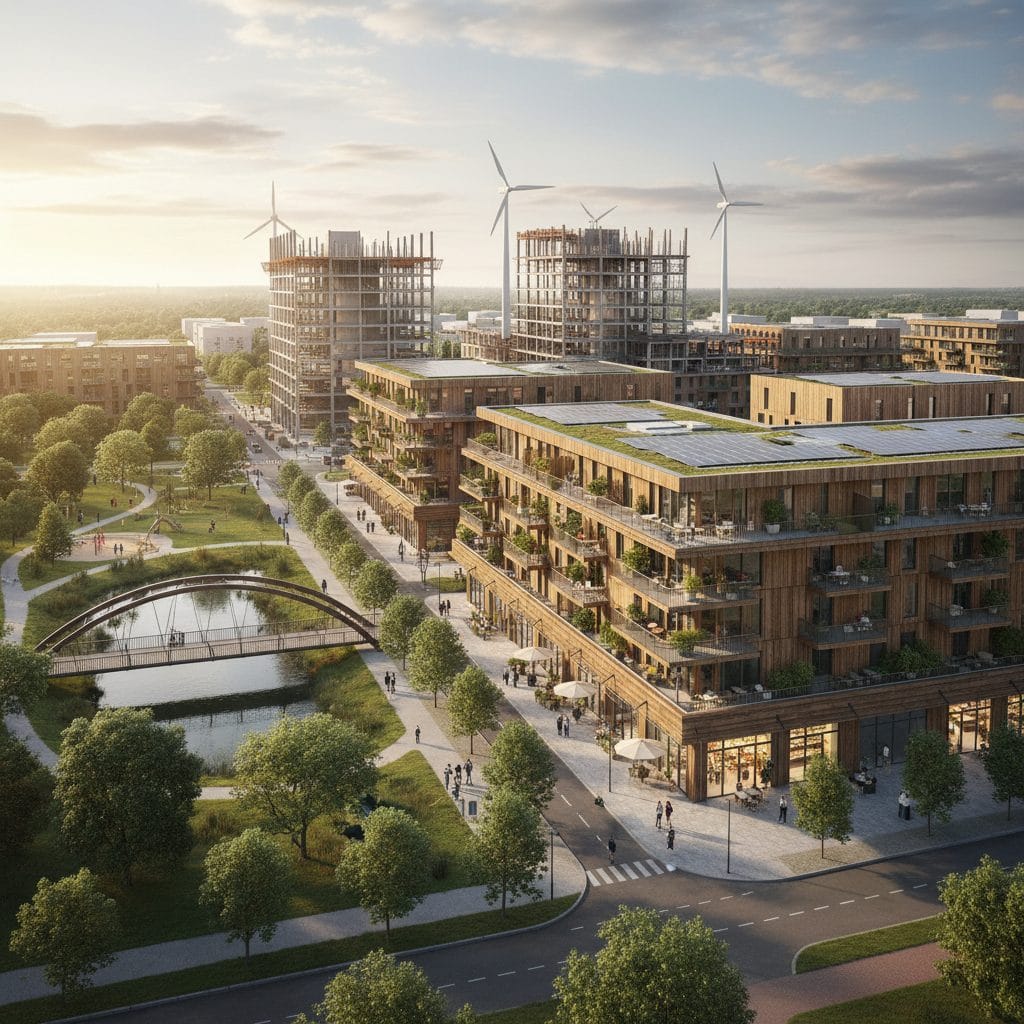
    • Renewable Energy: Solar panels, wind turbines, and geothermal systems to generate clean energy on-site.
    • Water Conservation: Rainwater harvesting, low-flow fixtures, and drought-resistant landscaping to reduce water consumption.
    • Sustainable Materials: Use of recycled, renewable, and locally sourced building materials.
    • Waste Management: Comprehensive recycling programs and waste reduction strategies.
    • Indoor Environmental Quality: Improved air quality, natural lighting, and comfortable temperatures to enhance employee well-being.

    These features not only reduce the environmental impact of the building but also contribute to lower operating costs and a healthier work environment. If you’d like to learn more about the latest trends, check out the Canadian Real Estate Association’s market statistics.

    Navigating Calgary’s Green Industrial Market

    Finding the right green industrial space in Calgary requires careful planning and a thorough understanding of the market. The demand for sustainable properties is growing, and it’s essential to work with a real estate professional who specializes in this niche. Sanket Patel can provide expert guidance and help you navigate the complexities of the Calgary industrial market.

    When searching for a green industrial space, consider the following factors:

    1. Location: Choose a location that offers convenient access to transportation, suppliers, and customers.
    2. Size and Layout: Ensure the space meets your current and future needs.
    3. Sustainability Features: Evaluate the building’s energy efficiency, water conservation measures, and use of sustainable materials.
    4. Cost: Compare the total cost of ownership, including rent, utilities, and maintenance.
    5. Zoning and Regulations: Verify that the property is zoned for your intended use and complies with all relevant regulations.

    Partnering with a knowledgeable real estate agent like Sanket Patel can streamline the search process and help you find the perfect green industrial space for your business. Don’t forget to review our about page to learn more about our team.

    Calgary Success Stories: Businesses Embracing Sustainability

    Several Calgary businesses have already embraced the benefits of sustainable industrial spaces. These success stories demonstrate the positive impact that green building practices can have on a company’s bottom line and reputation. These companies have leveraged industrial sustainability to gain a competitive edge and attract customers who value environmental responsibility.

    For example, a local manufacturing company invested in a solar-powered facility that reduced its energy costs by 50%. This investment not only saved the company money but also enhanced its brand image and attracted new customers. Another business transformed a warehouse into a green distribution center, incorporating features such as rainwater harvesting and energy-efficient lighting. This reduced their environmental impact and improved employee morale.

    These examples highlight the potential for businesses of all sizes to benefit from sustainable industrial properties. By embracing green building practices, companies can create a more sustainable and profitable future.

    Future Trends in Sustainable Industrial Real Estate

    The trend towards industrial sustainability is expected to continue to grow in Calgary and beyond. As technology advances and environmental awareness increases, we can expect to see even more innovative green building practices emerge. Smart building technologies, such as automated lighting and HVAC systems, will become increasingly prevalent. These technologies can optimize energy consumption and reduce operating costs. Furthermore, the use of renewable energy sources, such as solar and wind power, will continue to expand.

    The focus on circular economy principles will also increase, with more emphasis on reusing and repurposing building materials. This will reduce waste and minimize the environmental impact of construction. Additionally, we can expect to see more collaboration between businesses, developers, and government agencies to promote sustainable building practices. These collaborations will help create a more sustainable and resilient industrial sector.

    For expert guidance on your next real estate investment or property purchase, visit patelsanket.ca or contact Sanket Patel today.

    Looking for the Best Real Estate Agent in Calgary?

    Sanket Patel is a top-rated Calgary realtor serving Calgary and surrounding areas. Call 403-918-7080 or book a free consultation.