
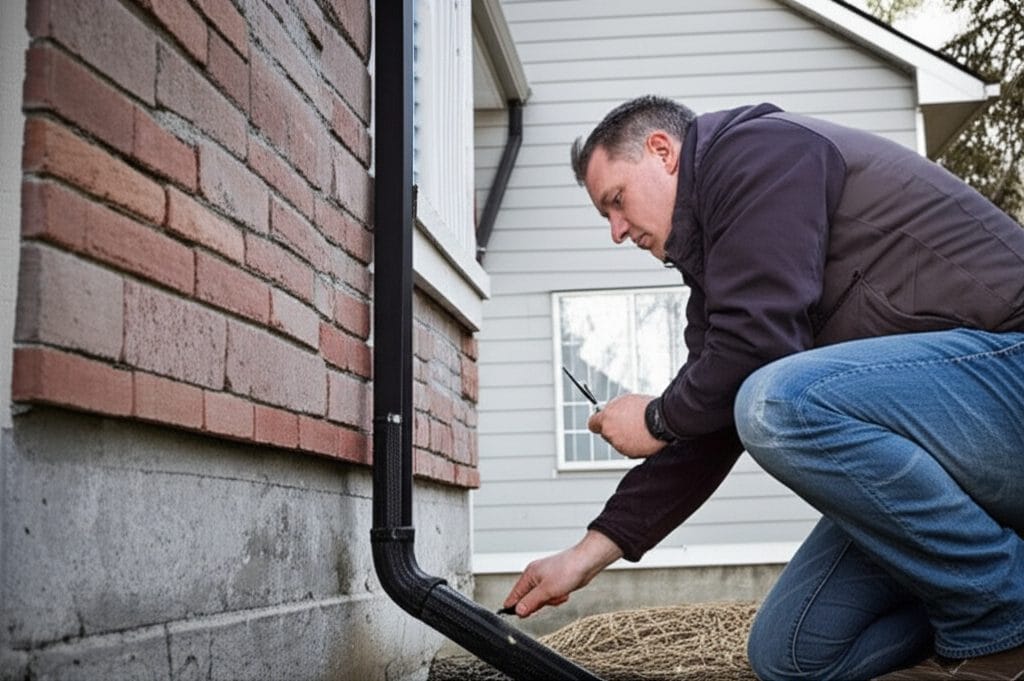
Buying a home in Calgary is exciting, but it’s also a significant investment. Before you sign on the dotted line, a comprehensive home inspection is crucial. Skipping this step can lead to costly surprises down the road, turning your dream home into a financial nightmare. This guide will give you essential tips for navigating the home inspection process in Calgary.
Why a Home Inspection is Non-Negotiable in Calgary
Calgary’s diverse housing market, ranging from historic homes in neighbourhoods like Inglewood to new builds in communities like Mahogany, presents unique challenges. Older homes might have outdated electrical systems or plumbing issues, while newer homes can have construction flaws not immediately apparent. A home inspection acts as a safeguard, helping you identify potential problems before they become your responsibility.
In Calgary, where winters are harsh and summers can bring intense hailstorms, homes are constantly exposed to extreme weather. This can lead to wear and tear on roofs, foundations, and other critical components. Investing in a home inspection allows you to anticipate repairs and budget accordingly. Failing to do so can be a very costly mistake.
Furthermore, a home inspection isn’t just about finding problems; it’s about gaining a deeper understanding of the property you’re about to purchase. Knowing the age and condition of major systems like the furnace, water heater, and electrical panel can help you plan for future maintenance and replacements, ensuring your investment remains sound.
Finding the Right Home Inspector in Calgary
Not all home inspectors are created equal. Finding a qualified and experienced inspector in Calgary is vital. Look for inspectors who are certified by reputable organizations and who have a proven track record of providing thorough and accurate reports.
Here are some essential steps for finding the right home inspector:
- Check credentials: Ensure the inspector is certified by a recognized organization like the Canadian Association of Home & Property Inspectors (CAHPI).
- Read reviews: Online reviews can provide valuable insights into an inspector’s professionalism and quality of work. Look for consistent patterns in the feedback.
- Ask for referrals: Your real estate agent may be able to recommend reputable inspectors in the area. Friends or family who have recently purchased homes in Calgary can also be a great resource.
- Review sample reports: Ask to see sample reports to assess the inspector’s level of detail and clarity. A good report should be easy to understand and include photos of any issues found.
- Inquire about insurance: Verify that the inspector carries errors and omissions insurance, which protects you in case of negligence.
Remember, price shouldn’t be the only factor in your decision. A slightly more expensive, but highly qualified, inspector can save you thousands of dollars in the long run by identifying hidden problems.
Questions to Ask Your Potential Home Inspector
Before hiring a home inspector, don’t hesitate to ask questions. This will help you gauge their expertise and ensure they’re the right fit for your needs. Here are some key questions to consider:
- How long have you been a home inspector?
- How many inspections have you performed in Calgary?
- What areas of the home do you inspect?
- Do you use specialized equipment, such as thermal cameras or moisture meters?
- How long will the inspection take?
- When will I receive the report?
- Will I be able to attend the inspection?
- What happens if you find a major problem?
A reputable inspector will be happy to answer your questions and address any concerns you may have. If an inspector seems evasive or unwilling to provide information, it’s best to look elsewhere.
What to Expect During the Home Inspection
The home inspection is a comprehensive evaluation of a property’s condition. It typically covers the following areas:
- Exterior: Foundation, siding, roof, windows, doors, grading, and drainage.
- Interior: Walls, ceilings, floors, stairs, windows, doors, and insulation.
- Roof: Shingles, flashing, and overall condition.
- Electrical: Wiring, panels, outlets, and grounding.
- Plumbing: Pipes, fixtures, water heater, and drainage.
- Heating and Cooling: Furnace, air conditioner, and ventilation.
- Appliances: Built-in appliances, such as ovens, dishwashers, and refrigerators.
The inspector will look for signs of damage, wear and tear, and potential safety hazards. They will also check to see if systems are functioning properly. The inspection is non-invasive, meaning the inspector won’t drill holes or tear down walls. However, they will access attics, crawl spaces, and other areas to get a thorough assessment.
It’s highly recommended that you attend the home inspection. This will give you the opportunity to ask questions and gain a firsthand understanding of the property’s condition. The inspector can point out specific issues and explain their potential implications. If you can’t attend the entire inspection, try to be there for the last hour to review the findings with the inspector.
Following the inspection, you’ll receive a detailed report outlining the inspector’s findings. The report will typically include photos of any issues found and recommendations for repairs or further evaluation. This report is a valuable tool for making informed decisions about your purchase.
Understanding Your Home Inspection Report
The home inspection report can seem overwhelming at first, but it’s important to understand its contents. The report will typically categorize issues based on their severity, such as:
- Major defects: These are significant problems that could affect the safety or structural integrity of the home. Examples include a cracked foundation, a leaking roof, or a faulty electrical system.
- Minor defects: These are less serious issues that may require repair or maintenance. Examples include a dripping faucet, a cracked window pane, or a loose doorknob.
- Maintenance items: These are routine tasks that should be performed to keep the home in good condition. Examples include cleaning gutters, replacing air filters, or caulking windows.
The report will also include recommendations for addressing each issue. This may involve hiring a qualified contractor to make repairs, obtaining further evaluations from specialists, or simply monitoring the situation.
Don’t panic if the report reveals a list of problems. Every home has issues, especially older properties. The key is to understand the severity of the problems and their potential impact on your budget and lifestyle.
Focus on the major defects and address them first. Minor defects and maintenance items can be addressed over time. If you’re unsure about something in the report, don’t hesitate to ask the inspector for clarification. They can explain the issues in more detail and provide guidance on how to proceed.
Negotiating Repairs or Price Reductions
One of the biggest benefits of a home inspection is the opportunity to negotiate repairs or a price reduction with the seller. If the inspection reveals significant problems, you can use the report as leverage to get the seller to address them.
You have several options when negotiating repairs:
- Ask the seller to make the repairs: You can request that the seller hire qualified contractors to fix the problems identified in the inspection report. Be specific about the scope of the repairs and the materials to be used.
- Request a price reduction: If you’re willing to handle the repairs yourself, you can ask the seller for a price reduction to compensate for the cost of the repairs. Get estimates from contractors to determine a fair amount.
- Obtain a credit at closing: The seller can provide a credit at closing to cover the cost of repairs. This is similar to a price reduction, but the funds are provided at the time of closing.
- Walk away from the deal: If the inspection reveals major problems that the seller is unwilling to address, you may have the option to walk away from the deal without penalty, depending on the terms of your purchase agreement.
When negotiating repairs, be reasonable and focus on the major defects. Minor issues are typically the buyer’s responsibility. It’s also important to be flexible. The seller may be unwilling to make all the repairs you request, so be prepared to compromise.
Remember to consult with your real estate agent and lawyer to determine the best course of action. They can provide guidance on the negotiation process and ensure your interests are protected.
For example, homes in established Calgary communities like Mount Royal or Elbow Park might reveal older plumbing systems during a home inspection. This could be a point of negotiation for upgrades.
Common Home Inspection Issues in Calgary
Calgary’s climate and unique housing stock mean that certain issues are more common during home inspections. Being aware of these potential problems can help you prepare for the inspection and negotiate effectively.
Some common issues include:
- Foundation cracks: Calgary’s expansive clay soil can cause foundations to shift and crack over time. Look for cracks in the foundation walls, especially around windows and doors.
- Roof damage: Hailstorms are common in Calgary and can cause significant damage to roofs. Check for missing or damaged shingles, as well as leaks.
- Water damage: Calgary’s heavy snowfall and spring thaws can lead to water damage in basements and around windows and doors. Look for signs of moisture, such as stains, mold, or peeling paint.
- Furnace issues: Calgary’s cold winters put a strain on furnaces. Check the age and condition of the furnace, and look for signs of rust, corrosion, or unusual noises.
- Electrical problems: Older homes may have outdated electrical systems that are not up to code. Check for loose wiring, overloaded circuits, and outdated electrical panels.
Knowing what to look for can help you identify potential problems before the inspection and ask the inspector specific questions about these areas.
For expert guidance on your next real estate investment or property purchase, visit patelsanket.ca or contact Sanket Patel today.